
Loss of Neck Curve in Athletes: Does It Affect Performance?
Fzt. Bilal Kara · 21 June 2026 · 1 min read
Fzt. Bilal Kara · 21 June 2026 · 1 min read
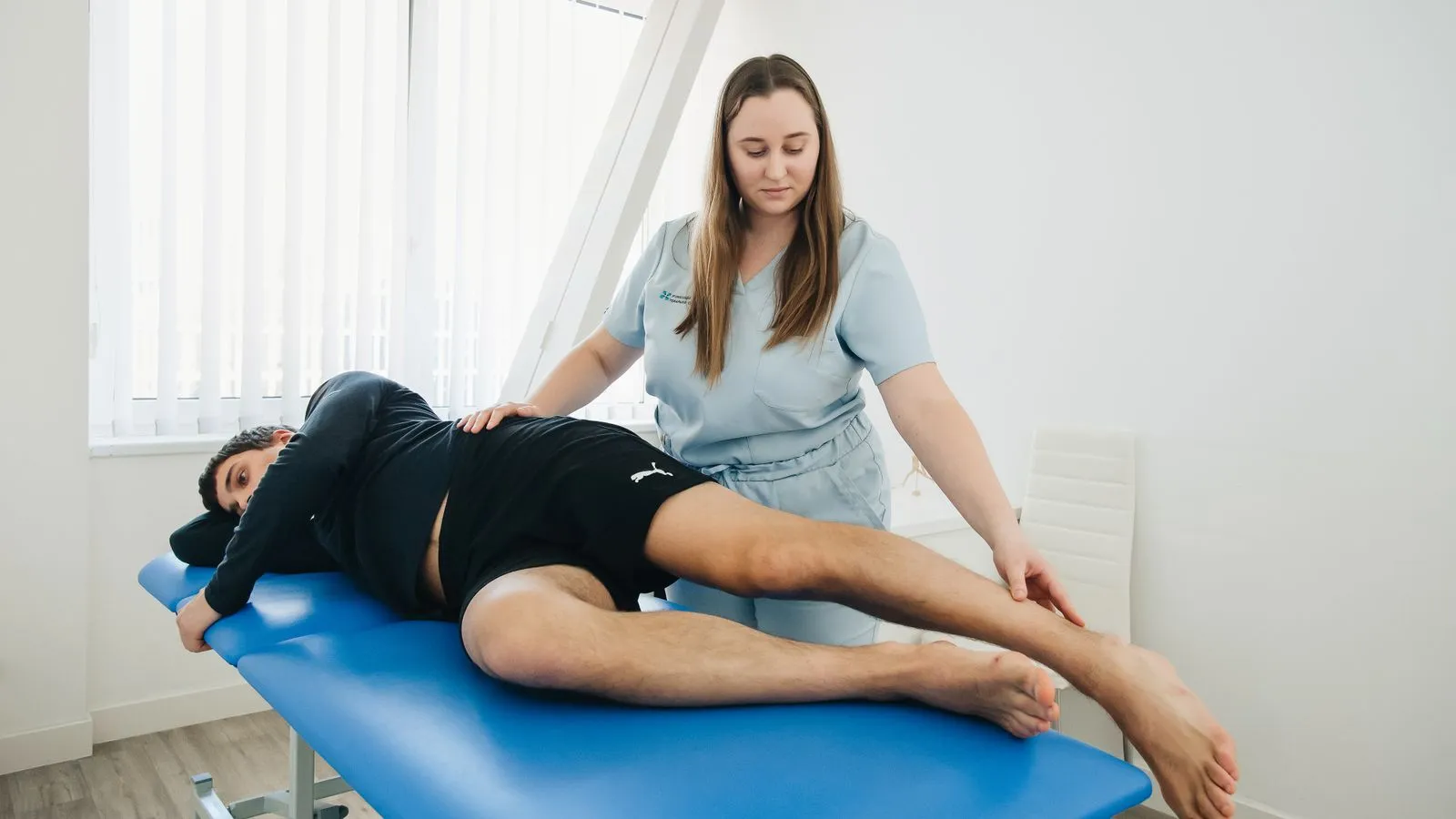
Loss of the neck's curve, common in wrestling, weightlifting and combat sports, doesn't on its own mean lost performance or a higher injury risk.
In sports that use the neck and trunk heavily — wrestling, weightlifting, combat sports — a loss-of-curve finding in the neck is common among athletes. It's usually related to the muscle adaptation the sport brings.
Heavy use of the neck muscles can change the muscle balance around the spine. Without pain, loss of strength or restricted movement, this is generally a sport-specific adaptation, not pathology.
If it's accompanied by neck pain, numbness spreading into the arm, or dizziness, the finding is considered to have become symptomatic and needs assessment.
If neck muscle strength and endurance are adequate, the loss-of-curve finding on its own doesn't limit performance. The programme targets strength and movement quality, not the finding itself.
Fzt. Bilal Kara assesses athletes in sports that use the neck and trunk heavily in Bursa Nilüfer. You can book an appointment.

Orthopaedics and Rehabilitation
Chiropractic and manual therapy are often confused. Both are done with the hands, but their approaches and frameworks differ.
6 September 2026 · 2 min read
Orthopaedics and Rehabilitation
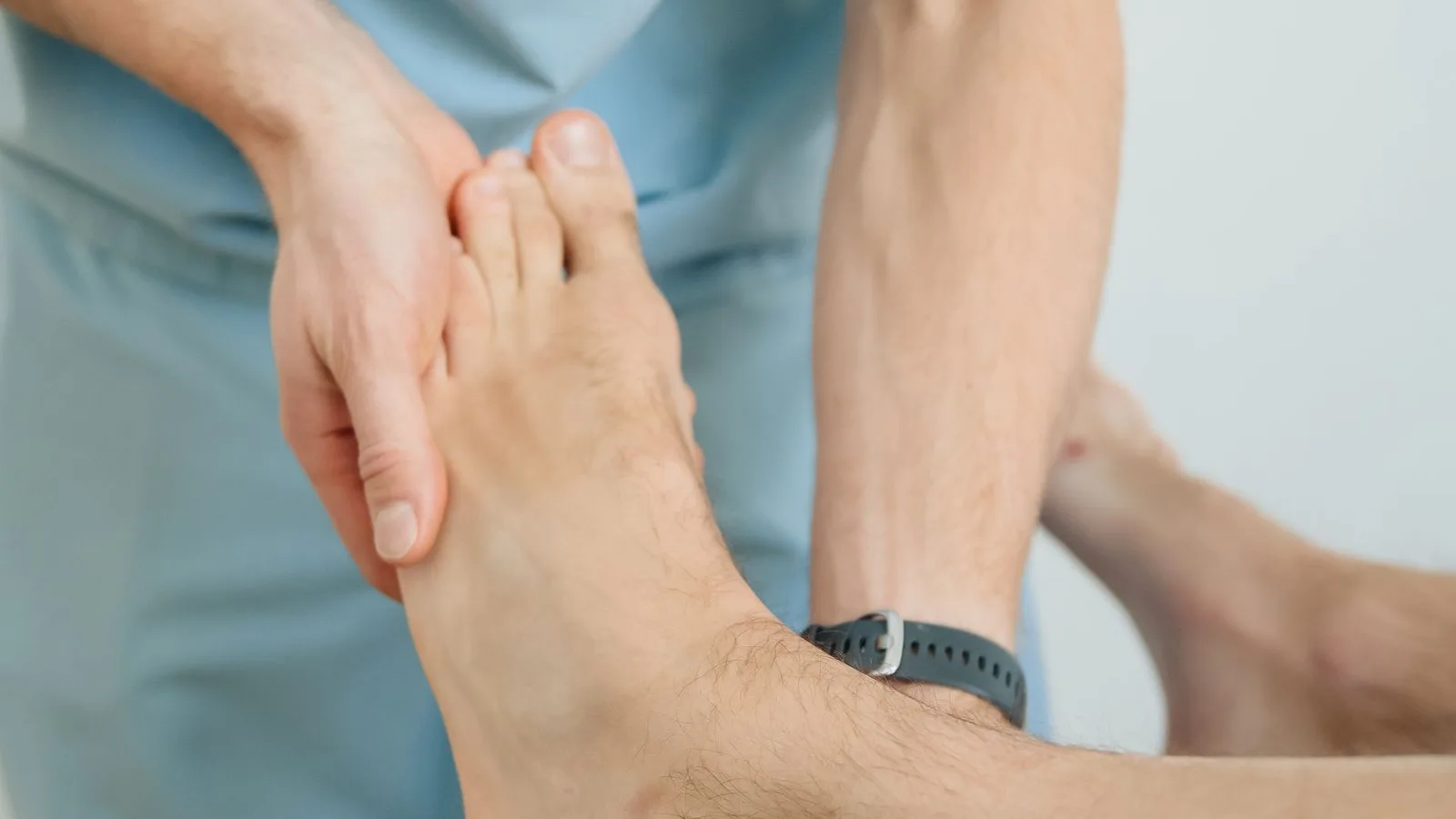
The sharp heel pain on the first step in the morning is often assumed to be a heel spur. But the real name for this condition is plantar fasciitis, and the two aren't the same thing.
6 September 2026 · 2 min read
Orthopaedics and Rehabilitation
Flat feet aren't a disease in most people and cause no complaint. The real question is whether they're leading to a problem.
6 September 2026 · 2 min read
Assessment that reads the X-ray finding correctly, plus exercise targeting the deep neck muscles.
A programme focused on posture and the deep neck muscles for pain spreading into the neck, shoulder and arm.
For a neck that suddenly locks: fast relief in the acute phase, then work aimed at preventing recurrence.