Skip to content
Fzt. Bilal KaraFizyoterapi & Rehabilitasyon

Rehabilitation for Disability and Special Needs

For disabled people and children with special needs, the aim of physiotherapy is not simply to correct a movement but to help the person reach and hold the highest possible level of independence in daily life. Fzt. Bilal Kara runs this process together with the family and carers, within a long-term plan.

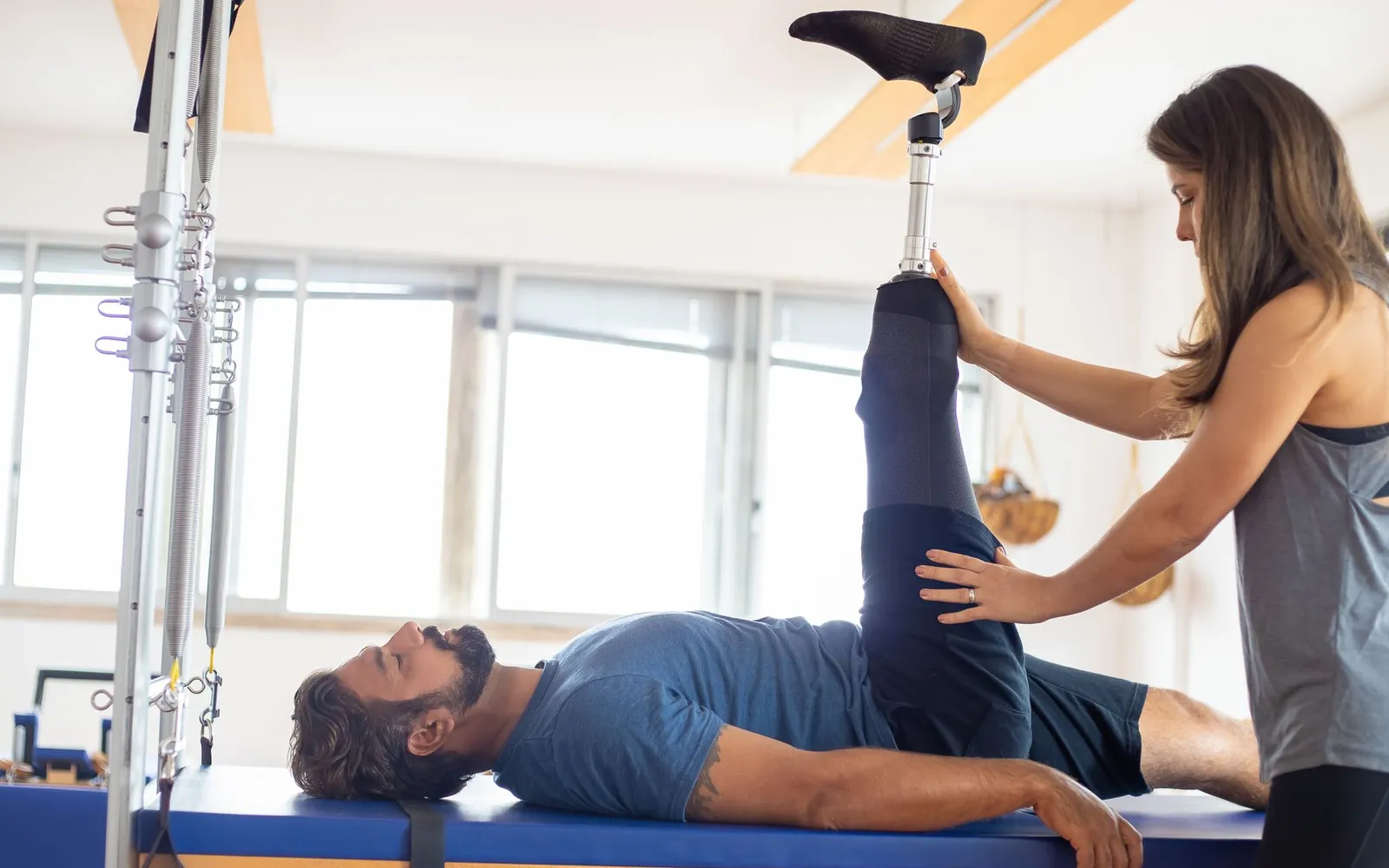
One-to-one rehabilitation with a client using a prosthetic limb

When is it needed?

  • Risk of secondary health problems linked to inactivity
  • Avoiding exercise due to lack of knowledge about suitable equipment
  • Strength loss in a wheelchair or prosthesis user
  • Uncertainty about loading in an area with partial strength loss
  • Wanting to stay active but not knowing where to start

What we do

  • Assessment adapted to the person's real capacity
  • Programme design specific to the equipment used (wheelchair, prosthesis)
  • Graded, measurable strength and conditioning work
  • An active-living strategy aimed at preventing secondary health problems
  • Regular re-measurement of capacity

Disability Rehabilitation in Bursa Nilüfer

Fzt. Bilal Kara provides one-to-one care for disability rehabilitation at the clinic in Bursa Nilüfer — in Fethiye Mahallesi, on Kelebek Sokak, at a central point of Nilüfer, opposite the Fethiye covered market.

It is a short trip by car or public transport from İhsaniye, Odunluk, Balat, Özlüce, Ataevler, 23 Nisan and the surrounding areas. Every session is one-to-one, assessment-based and tailored to you.
A disability isn't a reason to stop staying active

For people with a physical disability, staying active is even more critical than for the general population: inactivity accelerates secondary health problems. The problem is usually not lack of motivation, but lack of the right equipment and loading knowledge.

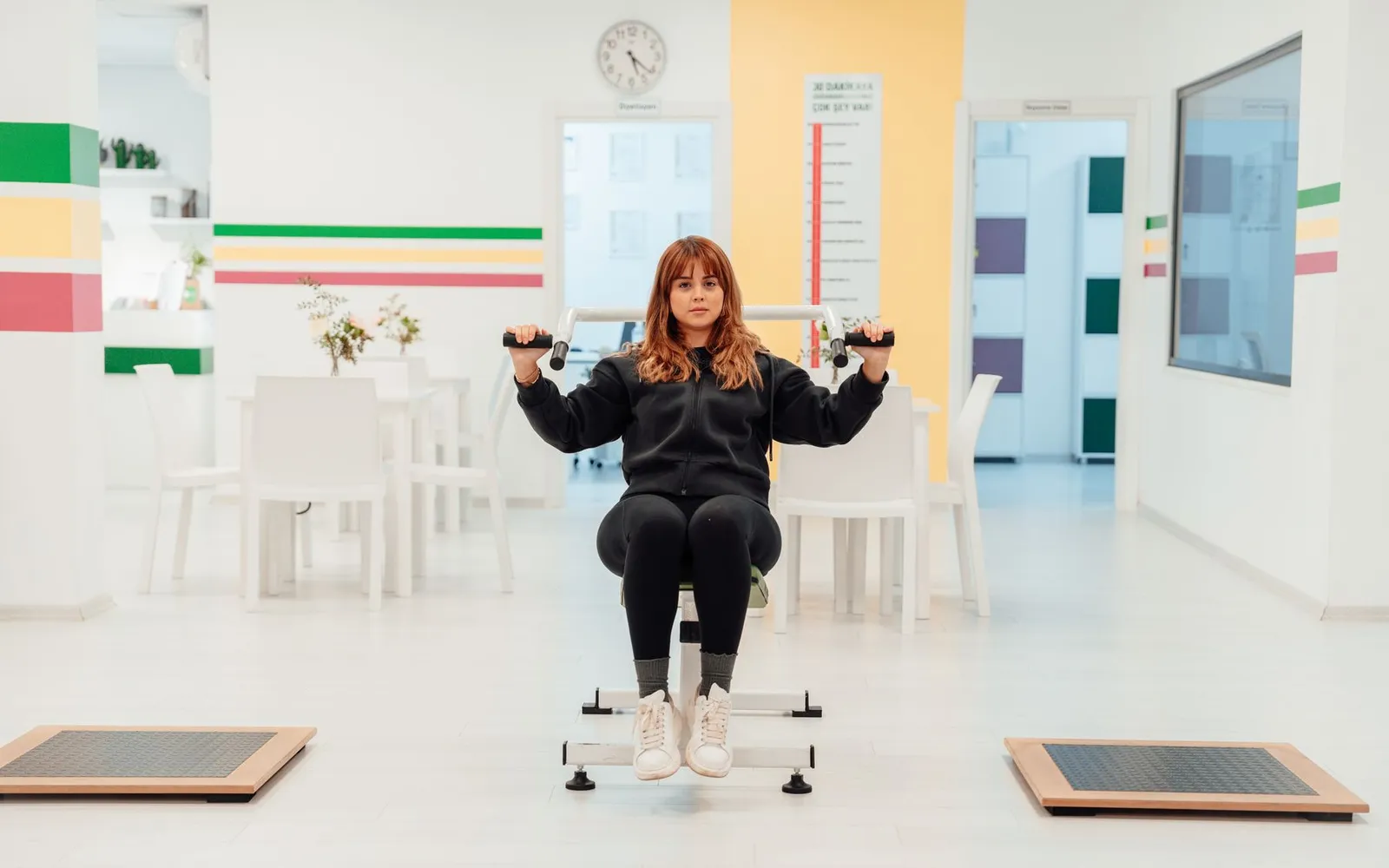
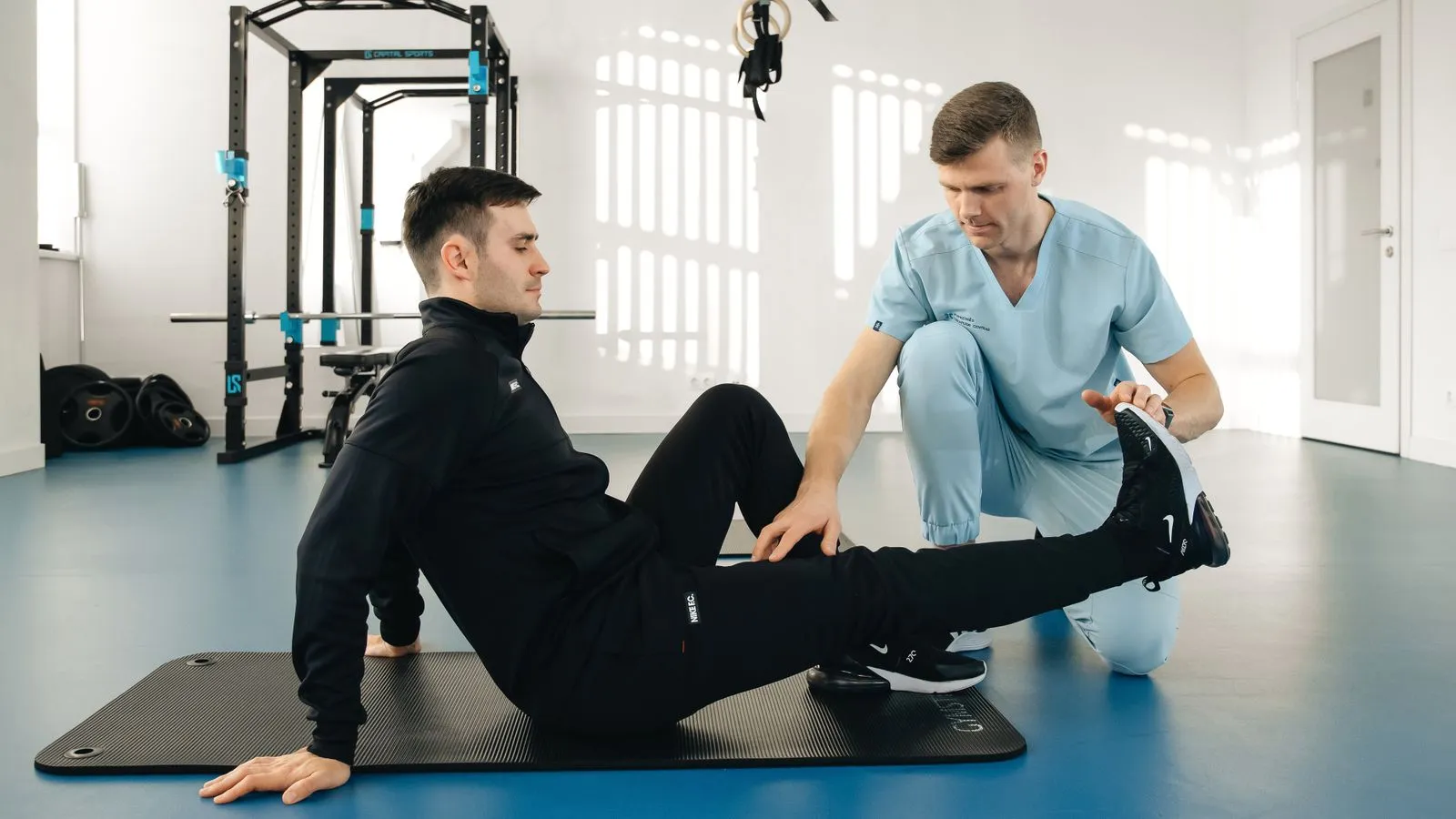
Fzt. Bilal Kara adapts the strength and conditioning programme to the person's real capacity; a wheelchair user, a prosthesis user, or a client with partial strength loss each gets different equipment and a different pace of progression. The goal is making independence and staying active sustainable.

Is a disability a reason to stop staying active?

No. For people with a physical disability, staying active is even more critical than for the general population: inactivity accelerates secondary health problems. The problem is usually not lack of motivation, but lack of the right equipment and loading knowledge.

How does the programme vary by equipment?

Fzt. Bilal Kara adapts the strength and conditioning programme to the person's real capacity; a wheelchair user, a prosthesis user, or a client with partial strength loss each gets different equipment and a different pace of progression.

Is the goal performance or independence?

The goal is making independence and staying active sustainable; performance is a secondary gain, and the programme is prioritised accordingly.

5.0 · 20 Google reviews

Book a one-to-one assessment for disability rehabilitation

Fzt. Bilal Kara · Bursa Nilüfer. Share your complaint; we plan the process together after the assessment.

Frequently asked questions

Can a wheelchair user do strength training?

Yes; the programme is adapted to the equipment used and the person's real capacity.

Do prosthesis users need a special programme?

Yes, the pace of progression and choice of exercises are set based on the type of prosthesis and experience using it.

Why does staying active matter so much?

Inactivity accelerates secondary health problems (weight, circulation, muscle loss) in people with a physical disability; regular activity is decisive in preventing this.

Other treatments

  • Neurological Rehab

    A programme aimed at walking, balance and daily independence after stroke, MS, Parkinson's and brain injury.

  • Orthopaedic Rehab

    Graded, measurement-based rehabilitation for joint problems and the period after orthopaedic surgery.

  • Strength & Conditioning

    A measurement-based, one-to-one strength and conditioning programme supervised by a physiotherapist.

Articles on this topic

Book an appointment for Disability Rehabilitation

To book, message us on WhatsApp or call; you do not need to write health details, they are discussed in person.

Book an appointment