
Skip to content
Fzt. Bilal KaraFizyoterapi & Rehabilitasyon

Kinesio Taping

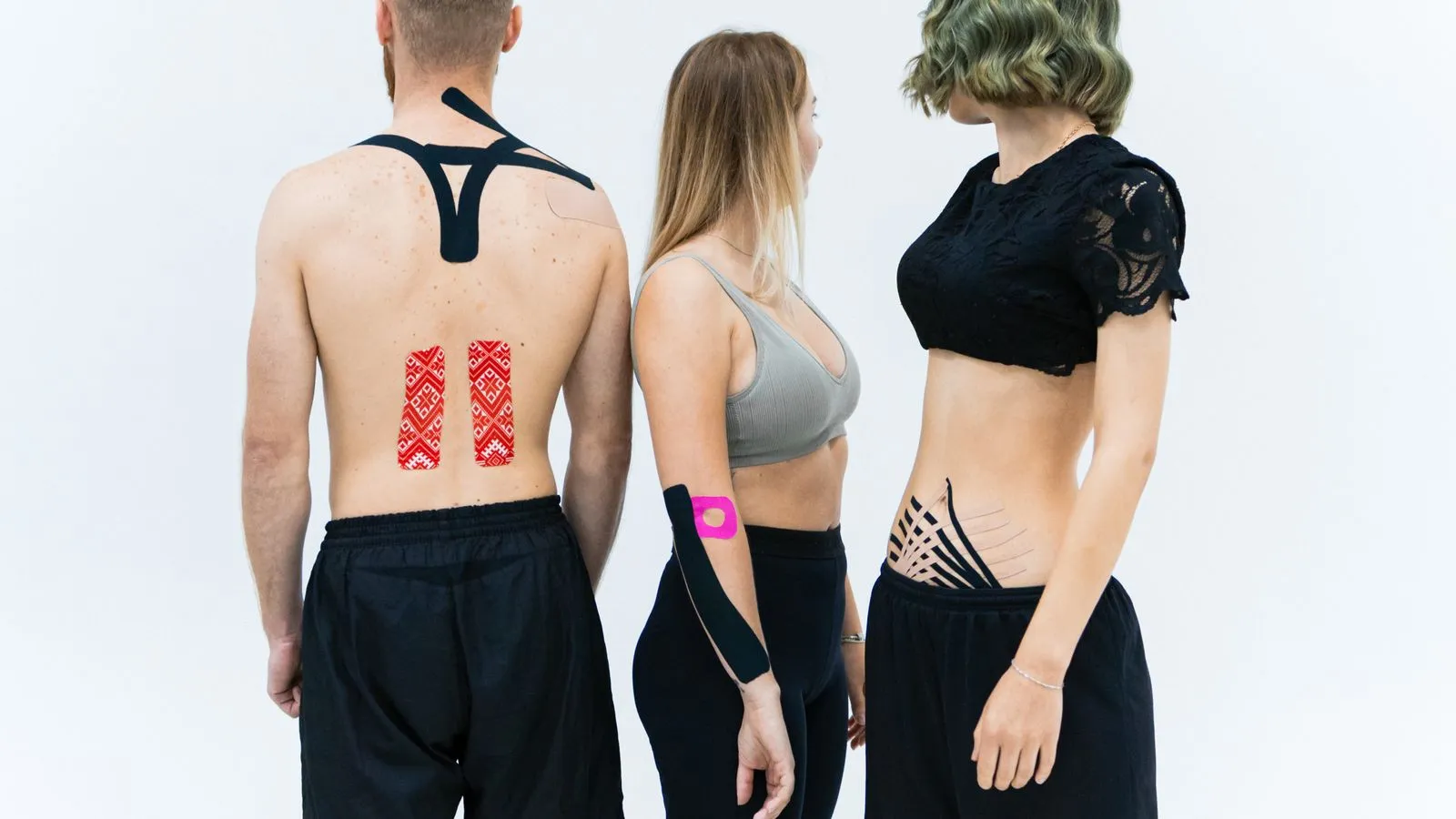
Kinesio taping supports muscles and joints with elastic tape applied to the skin. Its purpose is not to restrict movement but to give the area feedback that makes movement more comfortable. Fzt. Bilal Kara uses taping as a supportive application: the tape on its own is not a treatment, but a tool that completes the exercise programme.

A kinesio taping application

When is it needed?

  • Needing to limit a joint on return after an injury
  • Needing to distribute load on a painful tendon
  • Technique that breaks down during a fatigued period
  • Different needs between match day and training day
  • Lack of knowledge about self-application

What we do

  • Choosing the taping technique based on the weekly loading plan
  • Teaching the athlete to self-apply
  • Measuring return criteria separately through strength difference and movement control
  • Taping as supportive, not decisive, for the return decision
  • Regular reassessment of the need

Kinesio Taping in Bursa Nilüfer

Fzt. Bilal Kara provides one-to-one care for kinesio taping at the clinic in Bursa Nilüfer — in Fethiye Mahallesi, on Kelebek Sokak, at a central point of Nilüfer, opposite the Fethiye covered market.

It is a short trip by car or public transport from İhsaniye, Odunluk, Balat, Özlüce, Ataevler, 23 Nisan and the surrounding areas. Every session is one-to-one, assessment-based and tailored to you.
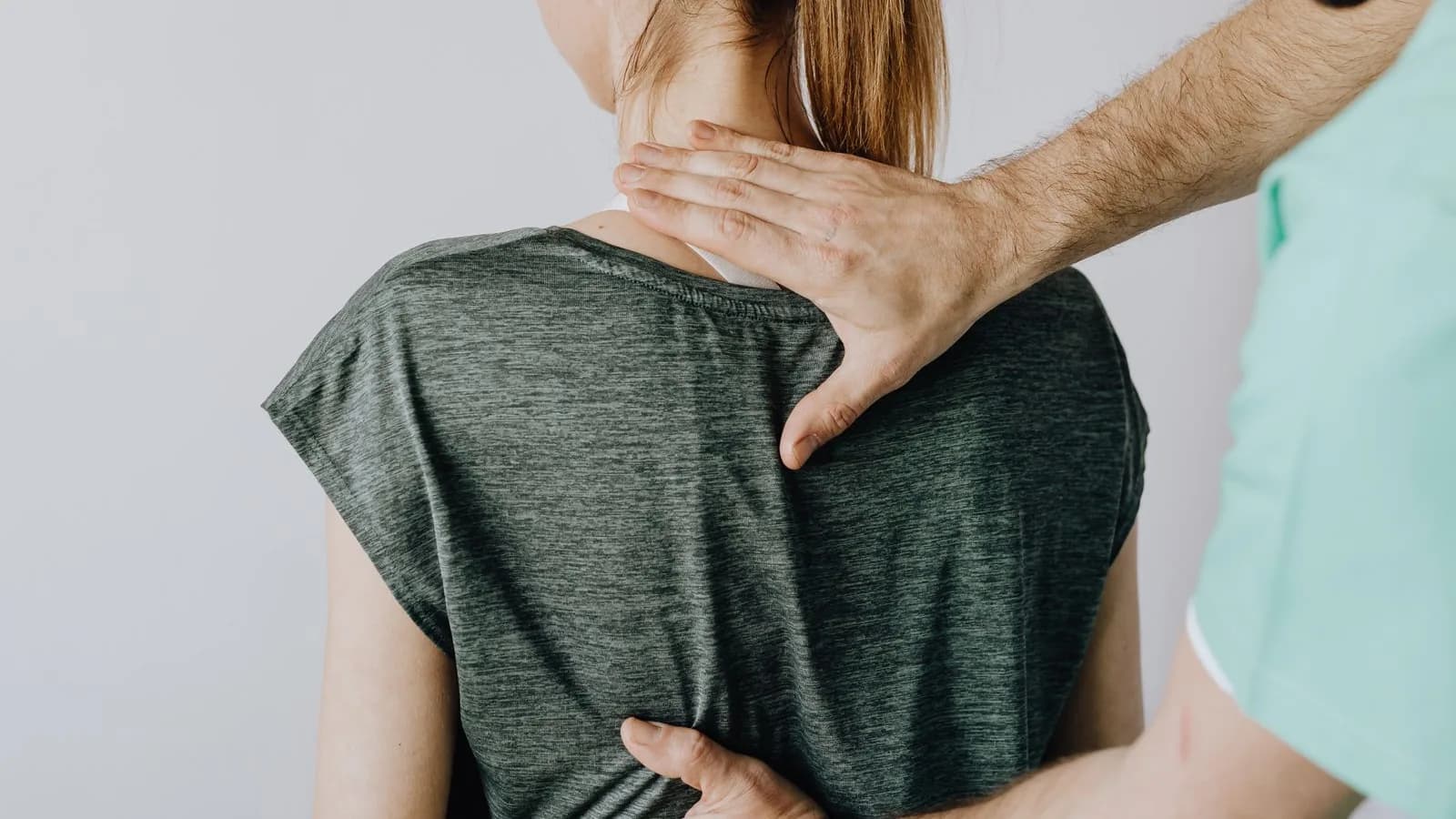
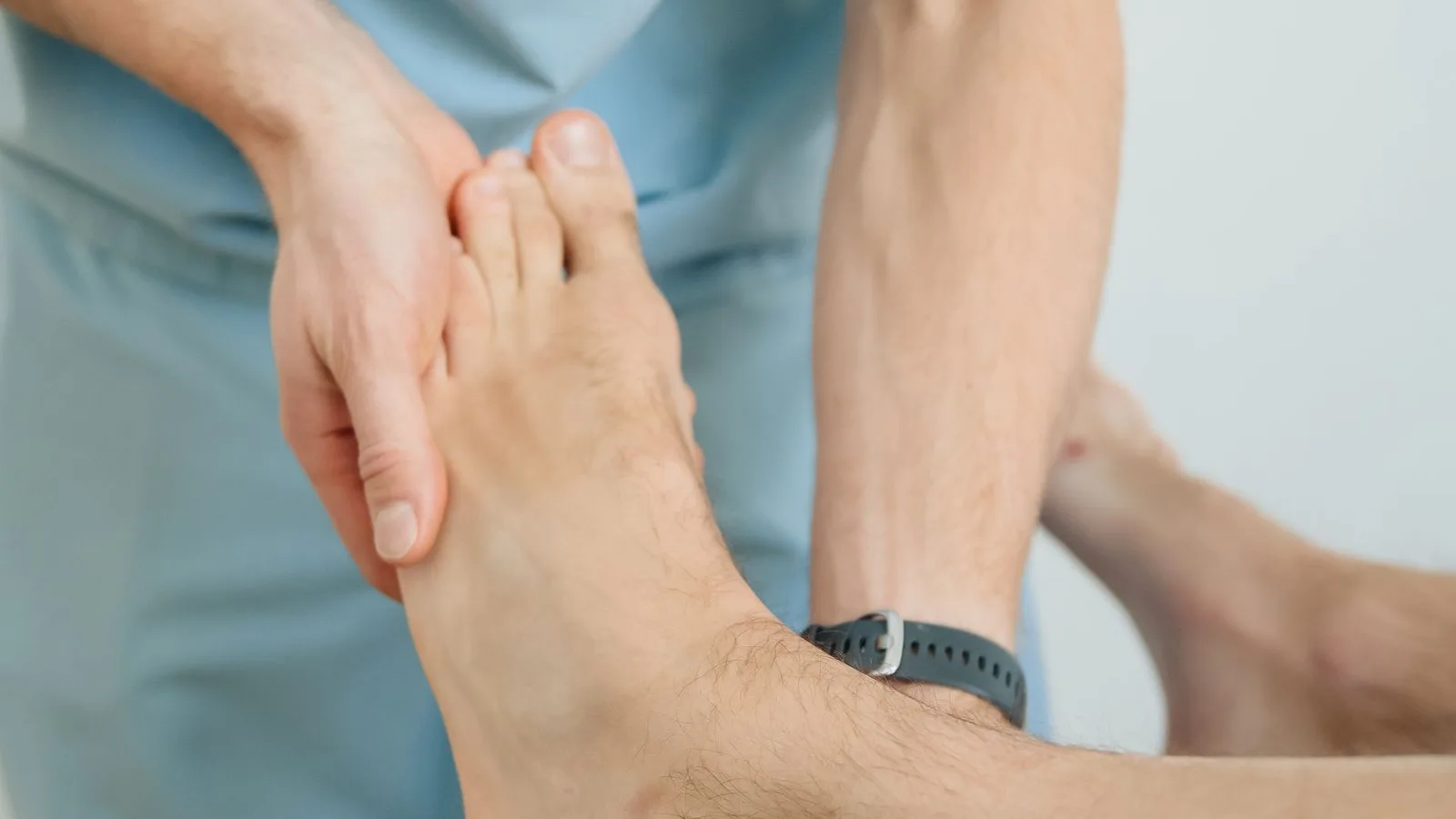
Match day and training day don't get the same tape job

The purpose of taping in an athlete changes with the situation: limiting a joint on return after an injury, distributing load on a painful tendon, or preserving technique during a fatigued period. The same technique doesn't work for all of them.

Fzt. Bilal Kara chooses the taping based on that week's loading plan and teaches the athlete to apply it themselves. Tape doesn't replace the return-to-play decision — return criteria are set by measuring strength difference and movement control; taping only supports that process.

Do match day and training day get the same tape job?

The purpose of taping in an athlete changes with the situation: limiting a joint on return after an injury, distributing load on a painful tendon, or preserving technique during a fatigued period. The same technique doesn't work for all of them.

How is the technique chosen?

Fzt. Bilal Kara chooses the taping based on that week's loading plan and teaches the athlete to apply it themselves.

Does tape decide the return-to-play decision?

No; tape doesn't replace the return-to-play decision — return criteria are set by measuring strength difference and movement control, and taping only supports that process.

5.0 · 20 Google reviews

Book a one-to-one assessment for kinesio taping

Fzt. Bilal Kara · Bursa Nilüfer. Share your complaint; we plan the process together after the assessment.

Frequently asked questions

Does taping prevent injury?

Not on its own; it's a supportive tool. Real protection comes from developing strength and control, tracked through measurement.

Can I tape myself?

Yes, once the correct technique is taught, the athlete can apply it themselves.

Can I return to the field while taped?

The return decision depends on measured strength difference and movement control, not on the tape.

Other treatments

  • Manual Therapy

    Hands-on techniques applied to joints and soft tissue, combined with exercise for a result that lasts.

  • Sports Rehab

    Injury rehabilitation and criteria-based return to play for athletes at every level.

  • Shoulder Pain

    For pain on lifting the arm, night pain and lost range: a programme that treats the whole shoulder girdle, not just the sore spot.

Articles on this topic

Book an appointment for Kinesio Taping

To book, message us on WhatsApp or call; you do not need to write health details, they are discussed in person.

Book an appointment