Flat Feet: A Problem, or Not? When to Act
Fzt. Bilal Kara · 6 September 2026 · 2 min read
Fzt. Bilal Kara · 6 September 2026 · 2 min read
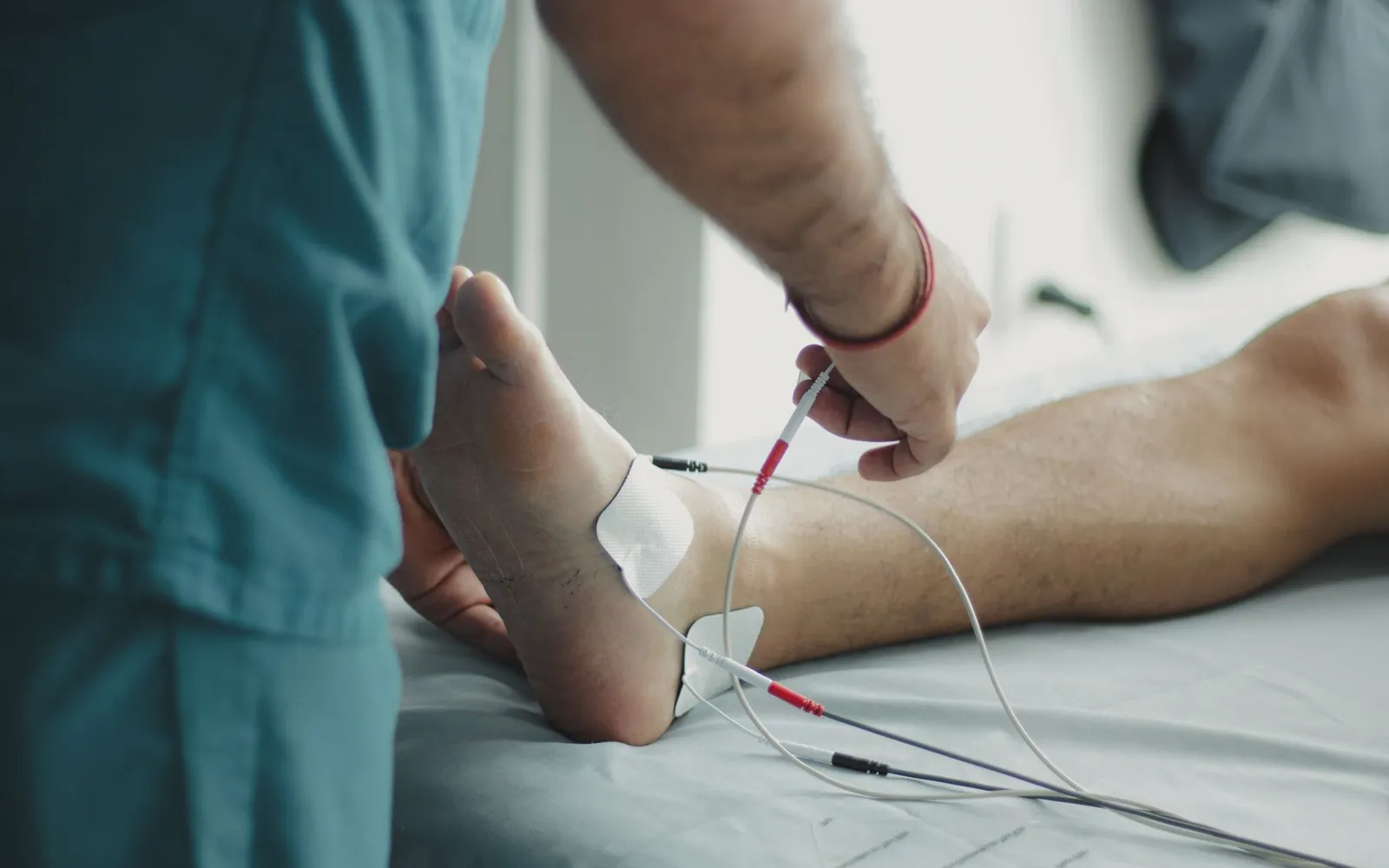
Flat feet aren't a disease in most people and cause no complaint. The real question is whether they're leading to a problem.
Flat feet means the normal arch on the inner part of the foot is low or entirely absent. In most people it isn't a "disease" and causes no complaint at all. The real question isn't "do I have flat feet" — it's "is my flat foot leading to a problem."
Flexible flat feet. The most common kind. The arch disappears when the foot bears weight but reappears when standing on the toes. It's normal in most children and can improve with age; if there's no pain, treatment usually isn't needed.
Rigid flat feet. The arch doesn't form in any position. It's rarer and can have an underlying structural cause; it needs assessment.
In runners and jumping sports, flat feet can change the load distribution on the ankle and knee; that's why foot structure is also part of the assessment in athletes with recurring ankle sprains or runner's knee.
If there's no complaint, flat feet alone isn't something that needs "correcting."
Insoles alone aren't a solution; staying permanently dependent on support without strengthening the muscles doesn't help in the long run.
Foot structure, flexibility and gait are examined; whether the complaint genuinely comes from flat feet or another cause is distinguished. The programme includes strengthening, an insole recommendation if needed, and activity adjustment.
Usually not in a symptom-free case; if there's pain or a chain complaint, it can indirectly limit performance.
Yes for most children — sport isn't restricted if there's no pain or noticeable loss of function.
Fzt. Bilal Kara first tells apart the source of foot complaints; runs a programme in person that strengthens the muscles supporting the foot and is completed with insoles when needed. You can find more detail on flat feet here or book an appointment.
Orthopaedics and Rehabilitation
Chiropractic and manual therapy are often confused. Both are done with the hands, but their approaches and frameworks differ.
6 September 2026 · 2 min read
Orthopaedics and Rehabilitation
The sharp heel pain on the first step in the morning is often assumed to be a heel spur. But the real name for this condition is plantar fasciitis, and the two aren't the same thing.
6 September 2026 · 2 min read
Spinal Health
"Which doctor should I see for a herniated disc?" is one of the most common questions. The answer isn't a single department; it depends on the clinical picture.
6 September 2026 · 2 min read
For a collapsing arch that causes symptoms: strengthening and load management, not routine intervention.
Balance and strength-focused rehabilitation for sprains, ligament injuries, Achilles problems and heel pain.
For heel pain that bites on the first step of the morning: shockwave, load management and a graded strengthening programme.