
Skip to content
Fzt. Bilal KaraFizyoterapi & Rehabilitasyon

Ankle Sprain and Rehabilitation

An ankle sprain is one of the most common musculoskeletal injuries and one of the most commonly neglected. When the swelling goes down, healing is not complete: unless the balance sense carried by the ligaments is restored, the risk of spraining it again rises sharply. Fzt. Bilal Kara plans ankle rehabilitation specifically to remove that risk.

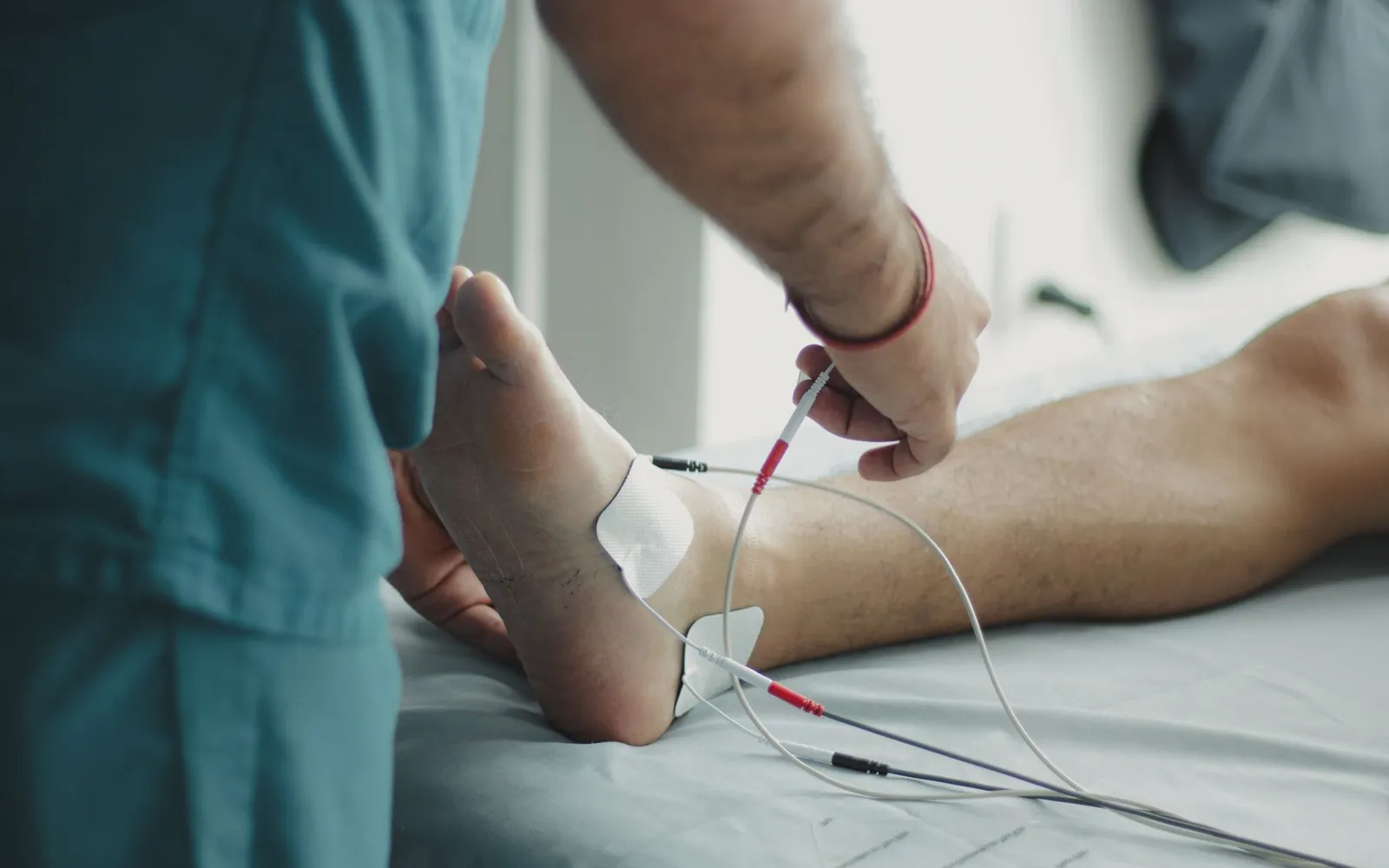
Electrotherapy applied to the ankle

When is it needed?

  • Recurring ankle sprains
  • A sense of insecurity on uneven surfaces or when landing
  • Re-spraining the same area after returning to the field
  • A noticeable balance/control difference between the two sides
  • Hesitation in the ankle when changing direction

What we do

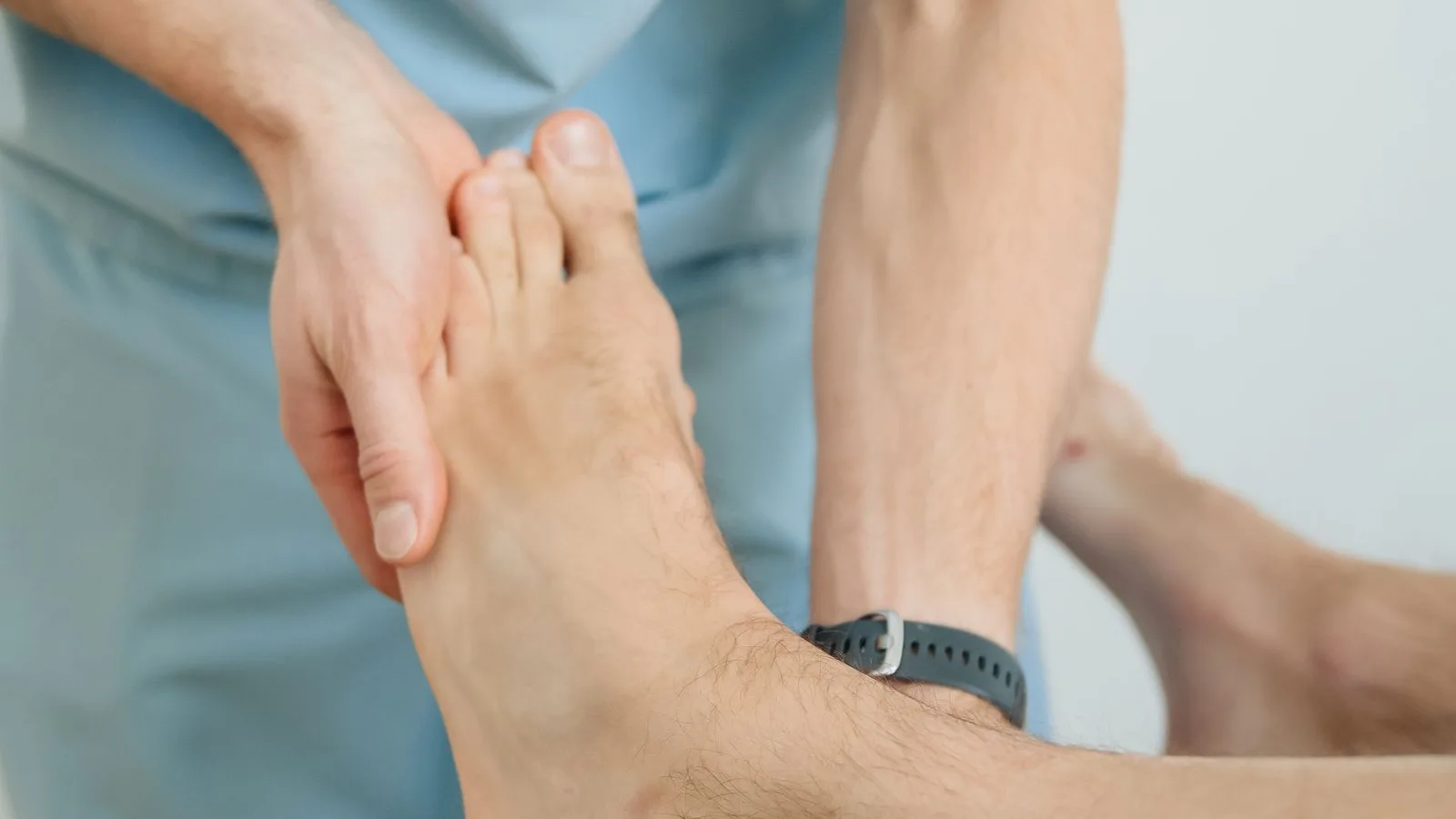
  • Measuring position sense with single-leg balance tests
  • Assessing jump and landing control
  • A graded programme continuing until the difference between the two sides closes
  • Uneven-surface and change-of-direction work (the programme's final stage)
  • Regular re-testing of return criteria

Ankle in Bursa Nilüfer

Fzt. Bilal Kara provides one-to-one care for ankle at the clinic in Bursa Nilüfer — in Fethiye Mahallesi, on Kelebek Sokak, at a central point of Nilüfer, opposite the Fethiye covered market.

It is a short trip by car or public transport from İhsaniye, Odunluk, Balat, Özlüce, Ataevler, 23 Nisan and the surrounding areas. Every session is one-to-one, assessment-based and tailored to you.

It's not the first sprain that's the real problem — it's the second

After an ankle sprain, most people return to the field once the swelling goes down. But a sprain disrupts the joint's position sense, and if that loss isn't corrected, the risk of it happening again rises noticeably — that's usually how chronic ankle instability begins.

Fzt. Bilal Kara's ankle sprain treatment doesn't end when the pain is gone. Single-leg balance tests, jumping and landing control are measured; return to the field isn't recommended until the difference between the two sides closes. Uneven-surface and change-of-direction work comes in at the programme's final stage.

Why is the second sprain the real problem, not the first?

After an ankle sprain, most people return to the field once the swelling goes down. But a sprain disrupts the joint's position sense (proprioception), and if that loss isn't corrected, the risk of it happening again rises noticeably — that's usually how chronic ankle instability begins.

What decides return to the field?

Fzt. Bilal Kara's programme doesn't end when the pain is gone. Single-leg balance tests and jump-landing control are measured; return to the field isn't recommended until the difference between the two sides closes.

When are uneven-surface and change-of-direction work added?

Working on unstable surfaces and sudden changes of direction are added at the very last stage of the programme, once basic balance and strength have been gained; adding them early raises the risk of re-spraining.

5.0 · 20 Google reviews

Book a one-to-one assessment for ankle

Fzt. Bilal Kara · Bursa Nilüfer. Share your complaint; we plan the process together after the assessment.

Frequently asked questions

The swelling is gone — can I go back to training now?

Swelling going down isn't enough on its own; position sense and balance tests also need to pass a certain threshold, otherwise the risk of re-spraining is high.

Why does the same ankle keep spraining?

If position sense didn't fully recover after the first sprain, the joint keeps getting stressed the same way over and over; that's the road to chronic instability, and it can be broken with targeted work.

Is taping enough on its own?

No; taping is a temporary support. The lasting solution is regaining position sense and strength, measured along the way.

Other treatments

  • Heel Pain

    For heel pain that bites on the first step of the morning: shockwave, load management and a graded strengthening programme.

  • Flat Feet

    For a collapsing arch that causes symptoms: strengthening and load management, not routine intervention.

  • Sports Rehab

    Injury rehabilitation and criteria-based return to play for athletes at every level.

Articles on this topic

Book an appointment for Ankle

To book, message us on WhatsApp or call; you do not need to write health details, they are discussed in person.

Book an appointment