What Is Plantar Fasciitis, and How Does It Differ from a Heel Spur?
Fzt. Bilal Kara · 6 September 2026 · 2 min read
Fzt. Bilal Kara · 6 September 2026 · 2 min read
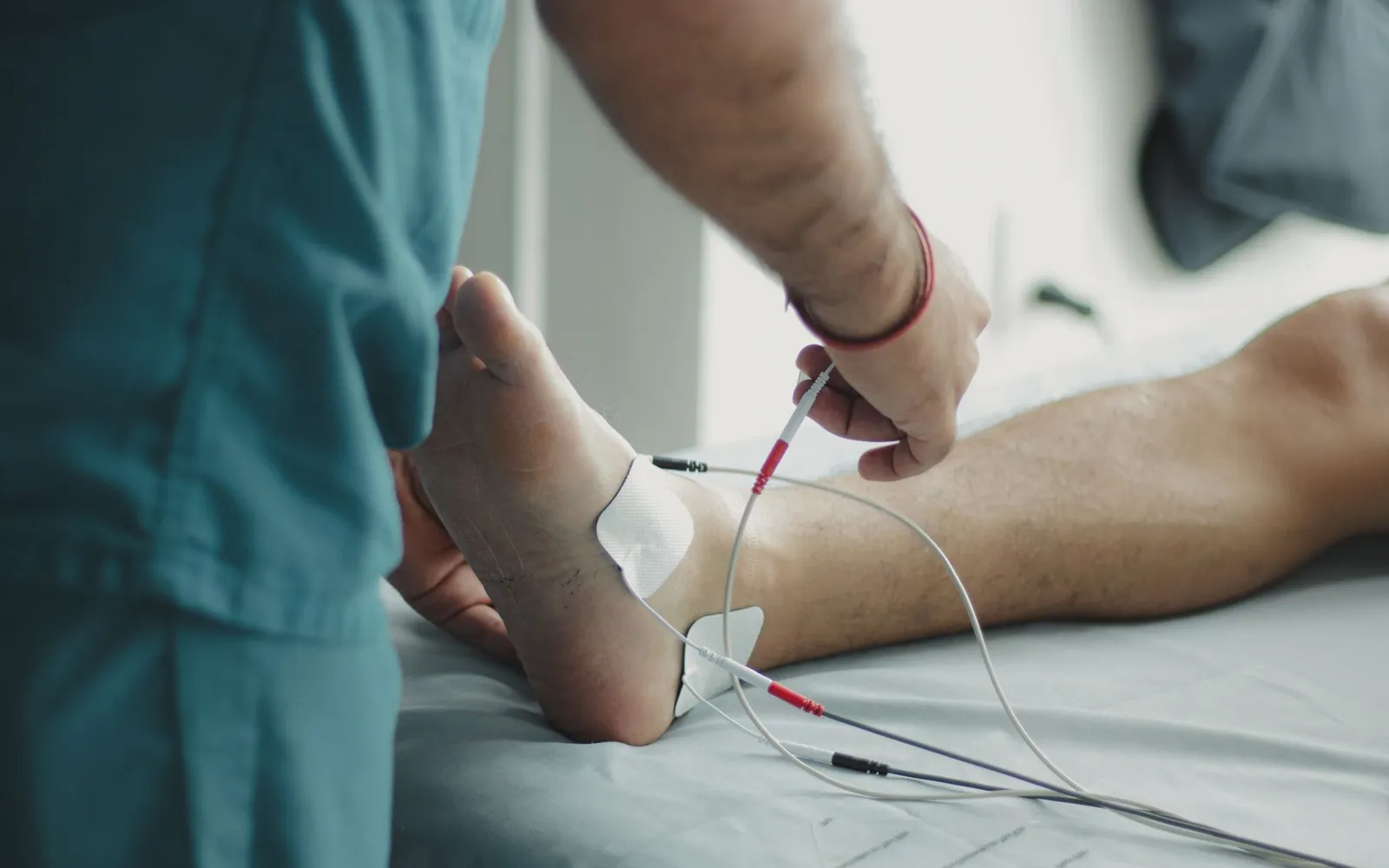
The sharp heel pain on the first step in the morning is often assumed to be a heel spur. But the real name for this condition is plantar fasciitis, and the two aren't the same thing.
The sharp pain that stabs into your heel with the first step out of bed in the morning is often assumed to be a "heel spur." But the real name for this condition is plantar fasciitis, and the two aren't the same thing. Knowing the difference also means the treatment gets built correctly.
There's a thick band on the sole of the foot running from the heel to the toes: the plantar fascia. If irritation and micro-tears develop at the point where this band attaches to the heel due to overload, this is called plantar fasciitis. The source of the pain is this soft tissue, not the bone.
A heel spur is a small bony outgrowth that develops over time where the plantar fascia pulls. But here's the critical point: it's usually the plantar fasciitis, not the spur, that causes the pain. Many people with a spur have no pain at all; many people with pain have no spur. So the goal isn't "removing the spur" — it's healing the plantar fascia.
The assessment examines foot biomechanics, calf flexibility and gait. The programme includes stretching, manual techniques for the plantar fascia and calf, shockwave therapy (ESWT) where needed, and strengthening the muscles that support the foot. The most common mistake is impatience: tissue healing takes weeks, and returning to the old load as soon as pain eases brings the complaint back.
If heel pain is accompanied by numbness, pain that doesn't ease at night, swelling-redness, or a sudden onset after a fall, assessment is needed; not every heel pain is plantar fasciitis.
Rarely needed; since the source of the pain is usually the plantar fasciitis rather than the spur, surgery isn't necessary in most cases.
Tissue healing takes weeks; with regular stretching and load management, most people see noticeable improvement within a few weeks to months.
Fzt. Bilal Kara first tells apart the source of heel pain; runs a programme in person that heals the plantar fascia and increases the foot's load-bearing capacity.
Orthopaedics and Rehabilitation
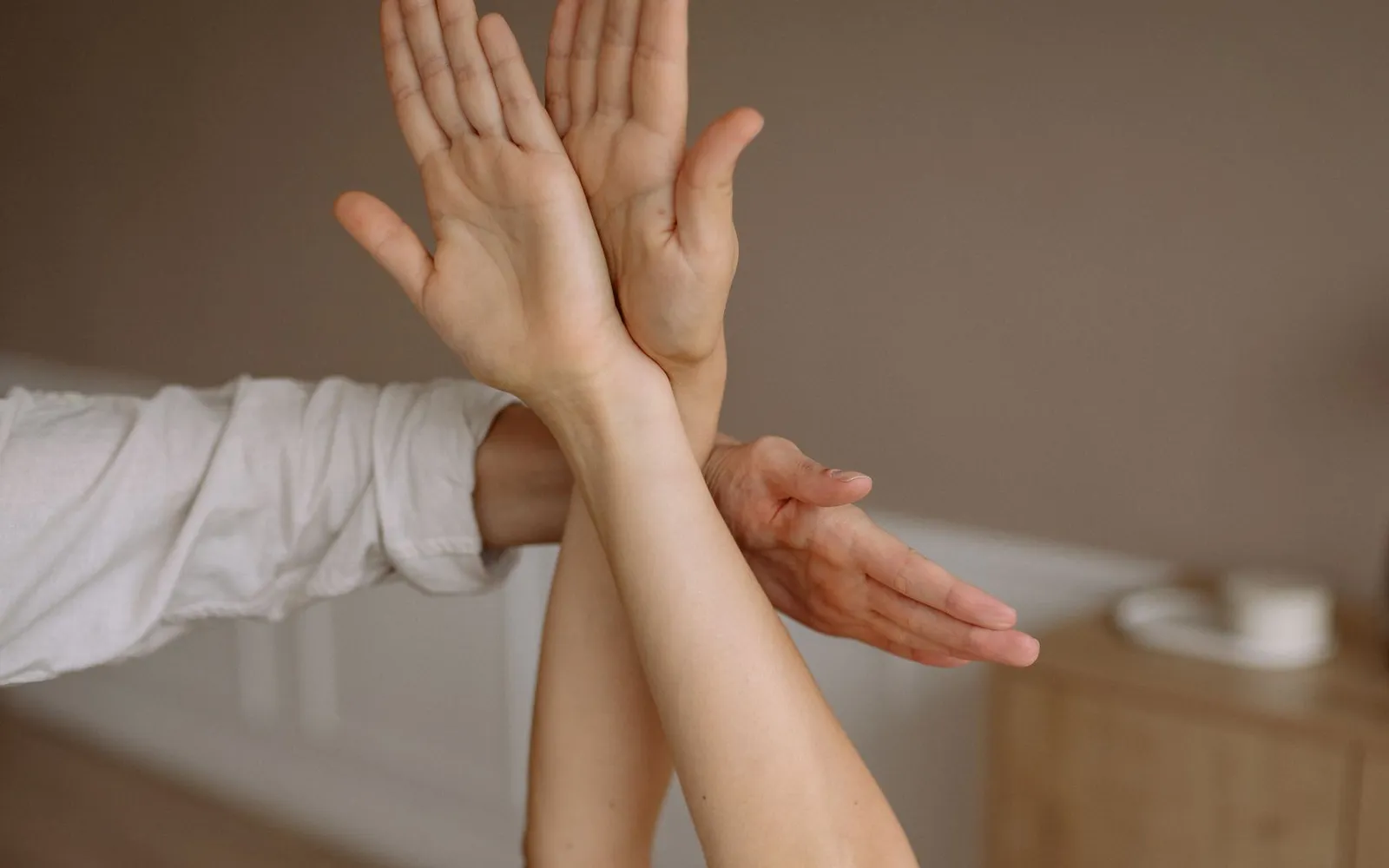
Chiropractic and manual therapy are often confused. Both are done with the hands, but their approaches and frameworks differ.
6 September 2026 · 2 min read
Orthopaedics and Rehabilitation
Flat feet aren't a disease in most people and cause no complaint. The real question is whether they're leading to a problem.
6 September 2026 · 2 min read
Spinal Health
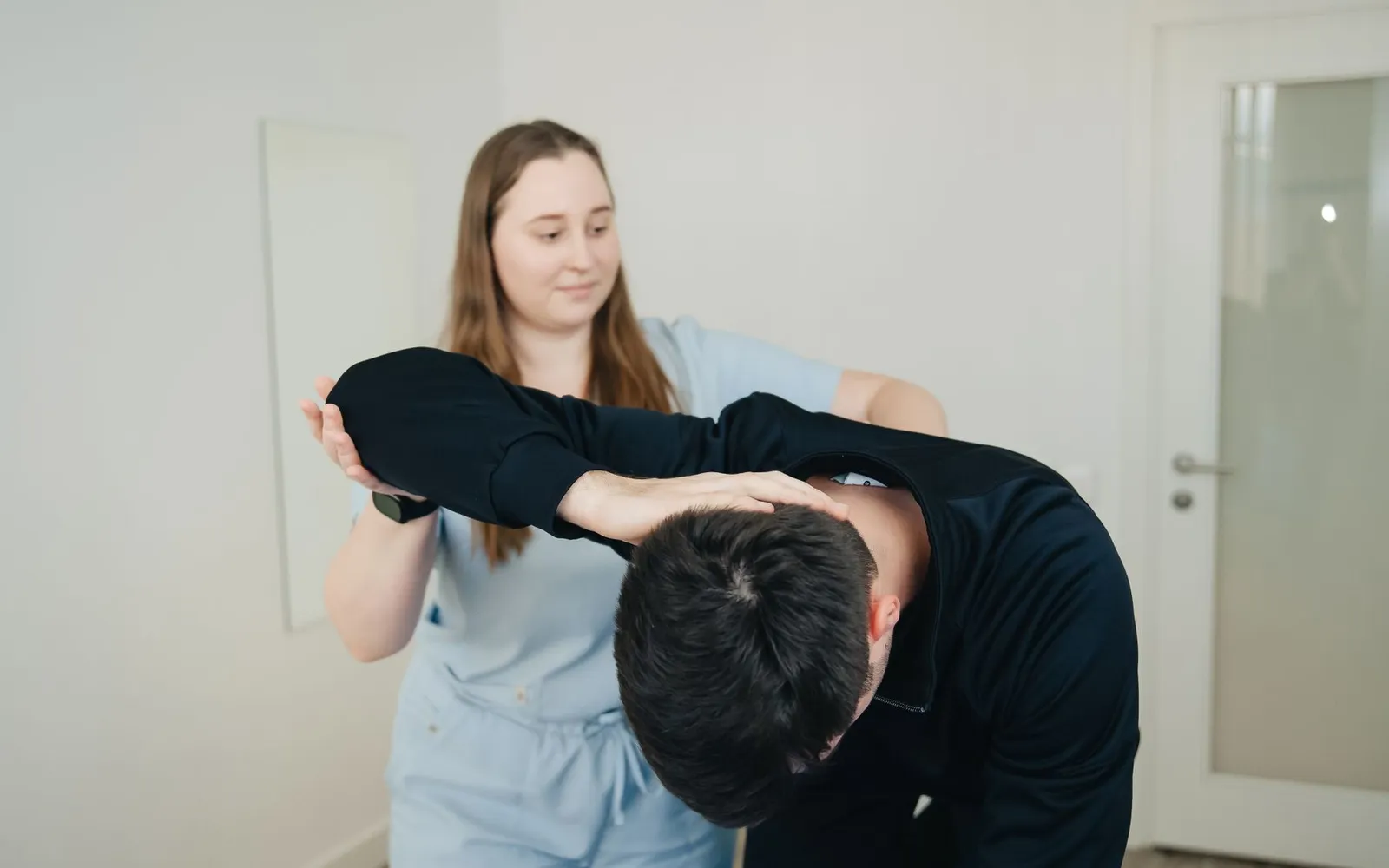
"Which doctor should I see for a herniated disc?" is one of the most common questions. The answer isn't a single department; it depends on the clinical picture.
6 September 2026 · 2 min read
For heel pain that bites on the first step of the morning: shockwave, load management and a graded strengthening programme.
Balance and strength-focused rehabilitation for sprains, ligament injuries, Achilles problems and heel pain.
Shock wave therapy for chronic tendon and heel complaints, used as part of the programme.