
Chiropractic vs Manual Therapy: What's the Difference?
Fzt. Bilal Kara · 6 September 2026 · 2 min read
Fzt. Bilal Kara · 6 September 2026 · 2 min read
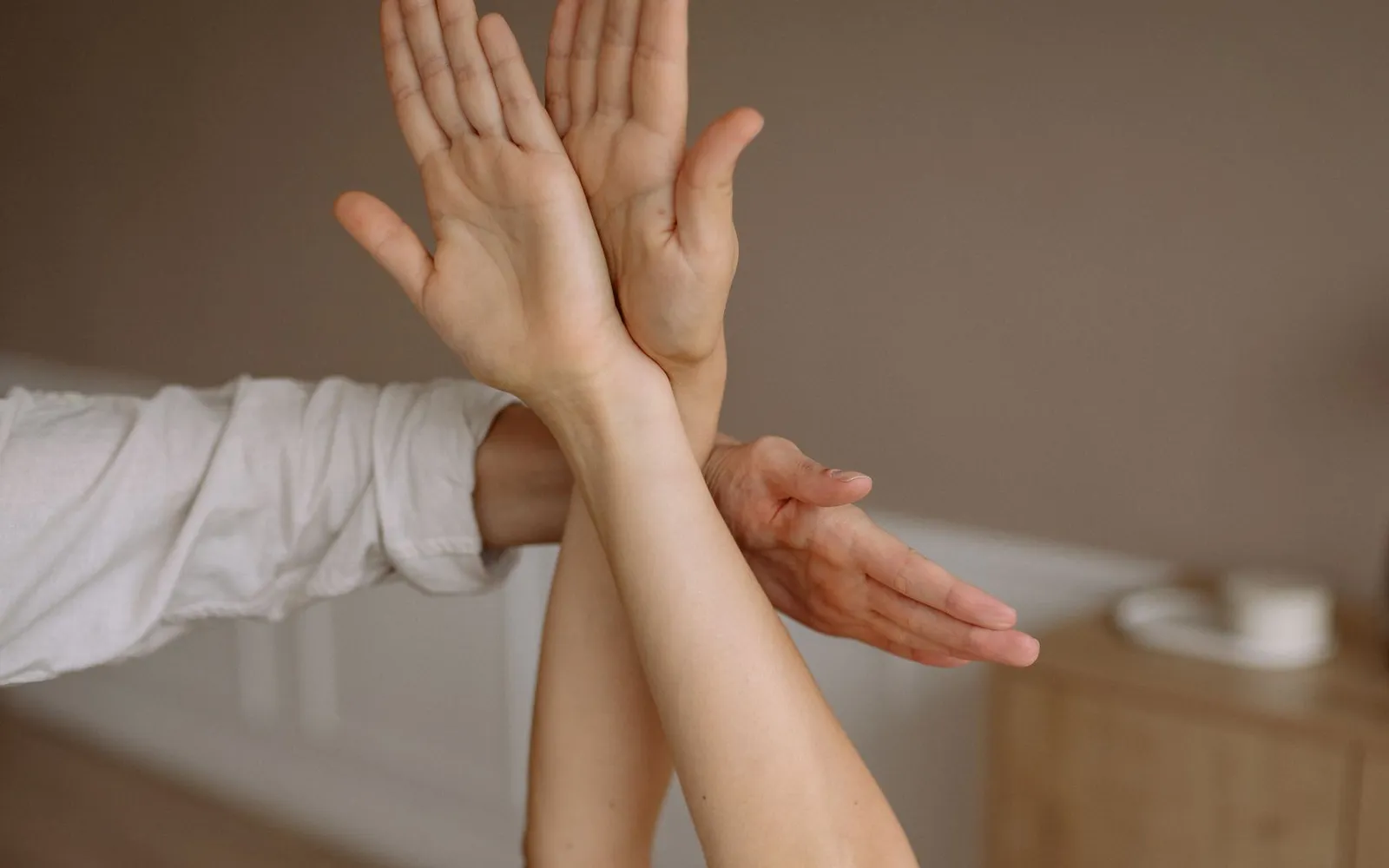
Chiropractic and manual therapy are often confused. Both are done with the hands, but their approaches and frameworks differ.
Most people researching neck or back pain online come across the terms "chiropractic" and "manual therapy" and confuse the two. Both are hands-on treatments, but their approach, who applies them, and their philosophy differ.
Chiropractic is an approach that works mainly through fast, low-amplitude thrust movements (manipulation) applied to the spinal joints. The "pop" sound often heard comes from a change in pressure inside the joint — it doesn't mean something has "gone back into place" and isn't a marker of success. The professional definition regulating chiropractic in Turkey is limited; that's why it matters who's applying it.
Manual therapy is a broad family of techniques applied by a physiotherapist, based on assessment: joint mobilisation, soft-tissue techniques, and controlled manipulation where needed. The difference isn't in the method — it's in the framework:
A controlled manipulation can be safe in the right patient and bring short-term relief. The real problem is cracking itself being mistaken for a treatment. Constantly cracking the neck/back doesn't resolve the underlying problem; in some people it can lead to joint laxity. Especially in the neck area, forceful manipulation applied without assessment carries rare but serious risks.
For back and neck-related pain, an assessment should be done first: the source of the pain, whether there's a red flag, and which technique is appropriate should be determined. A hands-on application takes on meaning as a result of that assessment and as part of an exercise programme.
If there's weakness or numbness spreading into the arm or leg, loss of bladder/bowel control, fever, or pain after trauma, physician assessment is needed before hands-on treatment.
A mild tension may be felt during application, but severe pain isn't expected; telling the practitioner if you feel discomfort shapes the dose of the technique.
It varies; improvement in range of motion and pain is usually noticed within a few sessions, and it's kept lasting through exercise.
Fzt. Bilal Kara always applies manual therapy for neck and back complaints after assessment and within an exercise programme; the goal is a lasting gain, not a temporary "pop."
Orthopaedics and Rehabilitation
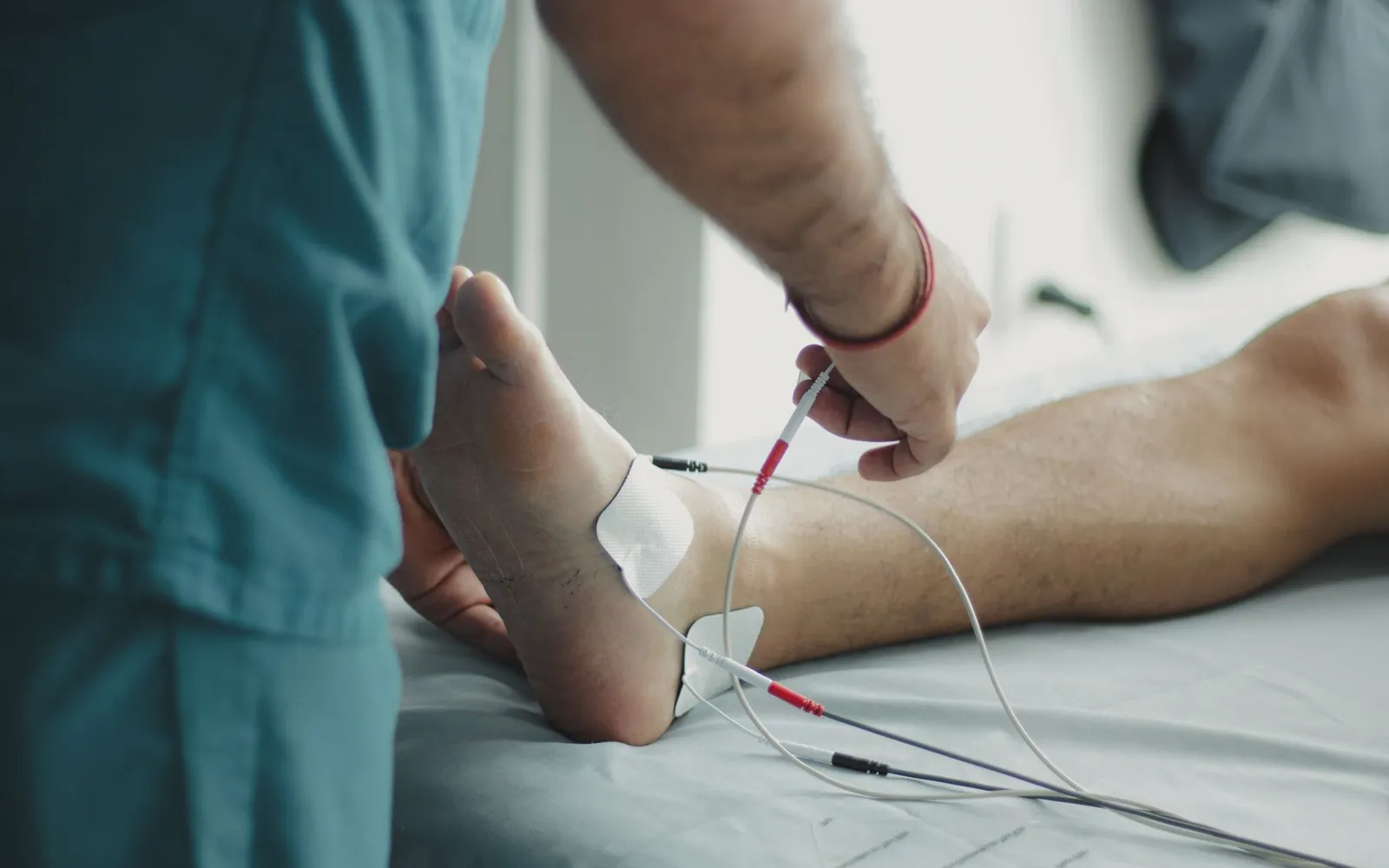
The sharp heel pain on the first step in the morning is often assumed to be a heel spur. But the real name for this condition is plantar fasciitis, and the two aren't the same thing.
6 September 2026 · 2 min read
Orthopaedics and Rehabilitation
Flat feet aren't a disease in most people and cause no complaint. The real question is whether they're leading to a problem.
6 September 2026 · 2 min read
Spinal Health
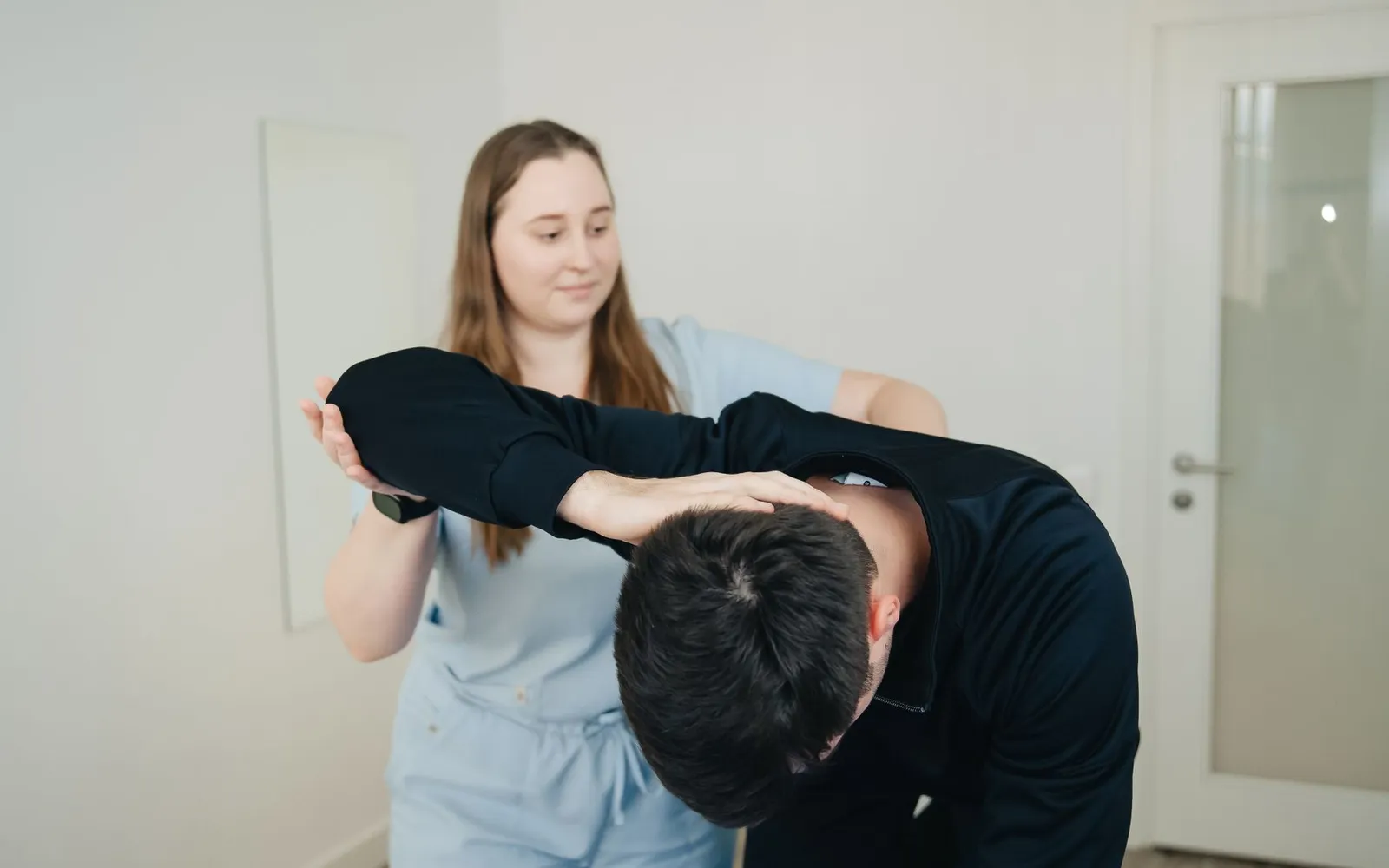
"Which doctor should I see for a herniated disc?" is one of the most common questions. The answer isn't a single department; it depends on the clinical picture.
6 September 2026 · 2 min read
Hands-on techniques applied to joints and soft tissue, combined with exercise for a result that lasts.
A device-assisted manual technique aimed at reducing muscle tension through the sensory organ in the tendon.
An exercise-based, one-to-one physiotherapy programme for back pain and pain radiating into the leg.