Rebuilding Physical Conditioning After a Stroke
Fzt. Bilal Kara · 12 July 2026 · 1 min read
Fzt. Bilal Kara · 12 July 2026 · 1 min read
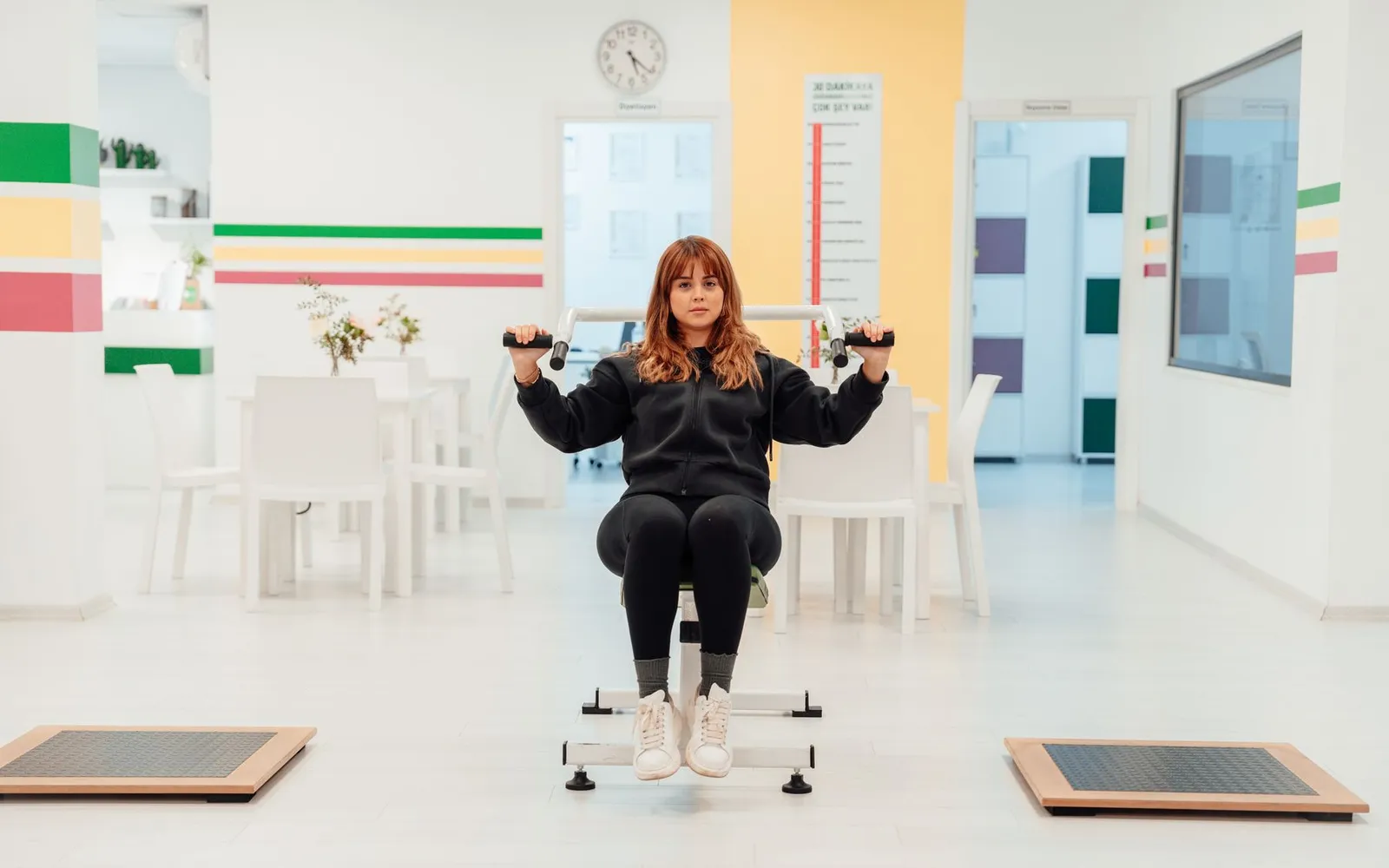
Focus after a stroke usually goes to movement on the affected side. Loss of overall conditioning is a factor that's often overlooked but shapes recovery just as much.
In stroke rehabilitation, attention usually goes to movement in the affected arm or leg; but prolonged inactivity also causes a noticeable loss of conditioning across the whole body.
Low cardiovascular capacity makes daily activities — walking, climbing stairs — feel more tiring and slows how quickly independence is regained.
Aerobic work done in controlled settings, such as a stationary bike or a supported treadmill, builds conditioning without raising balance risk.
While work focused on the affected side continues, the unaffected side's strength and endurance are also included in the programme — supporting overall functional independence.
Conditioning work is progressed in measured steps as a goal that runs alongside neurological recovery, not instead of it.
Fzt. Bilal Kara runs programmes after stroke in Bursa Nilüfer that address neurological recovery and overall conditioning together. You can book an appointment.
Orthopaedics and Rehabilitation
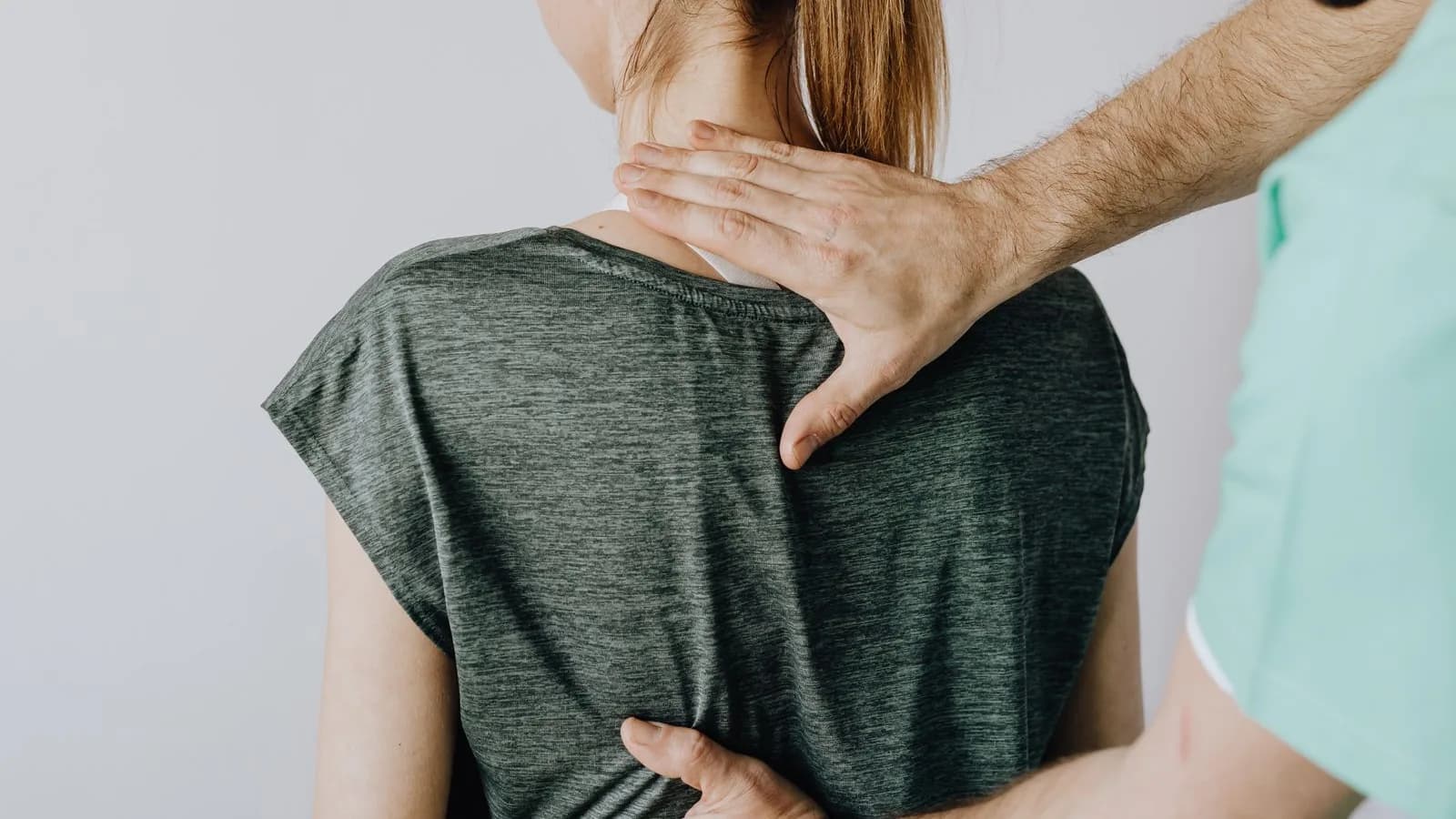
Chiropractic and manual therapy are often confused. Both are done with the hands, but their approaches and frameworks differ.
6 September 2026 · 2 min read
Orthopaedics and Rehabilitation
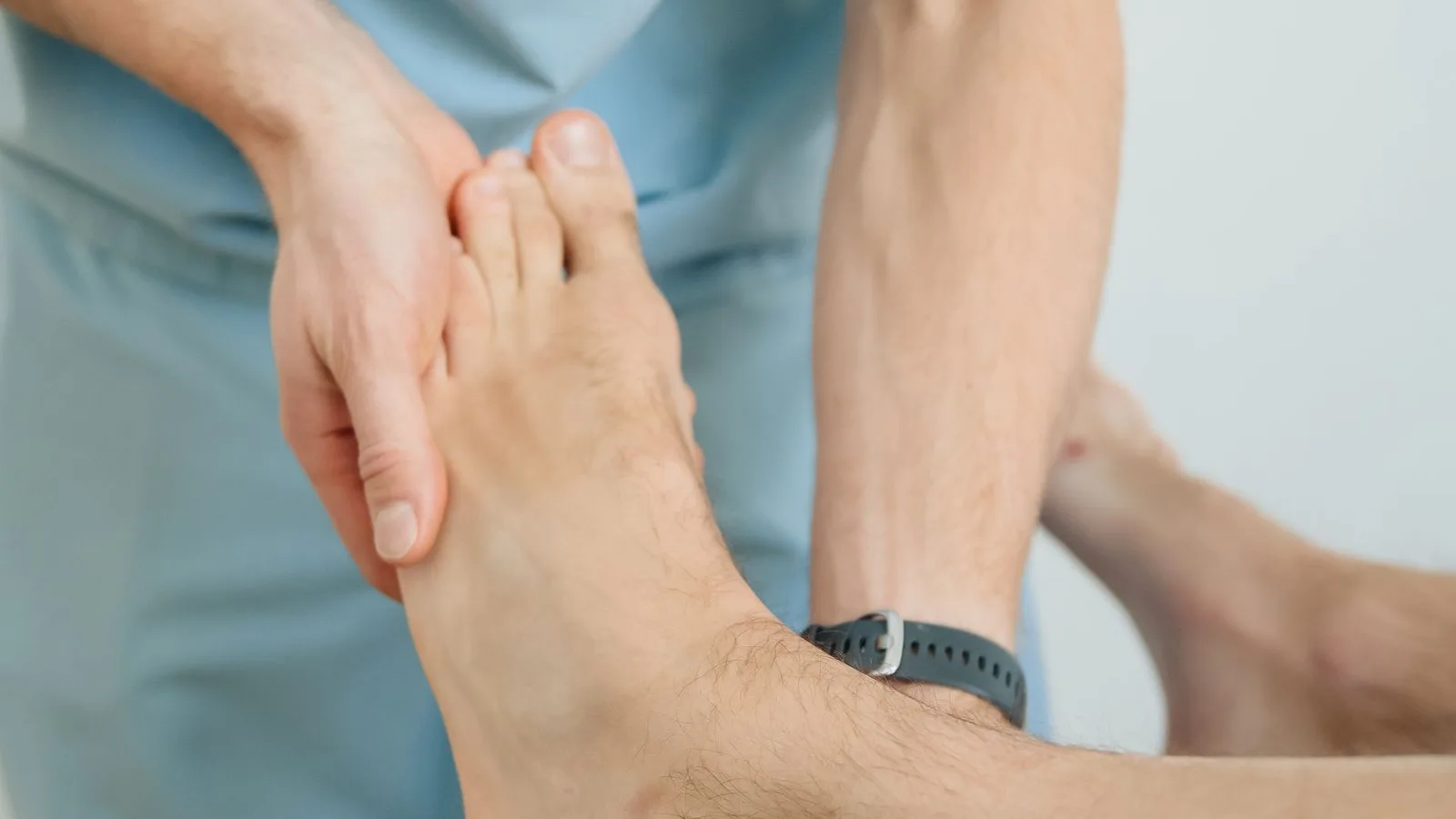
The sharp heel pain on the first step in the morning is often assumed to be a heel spur. But the real name for this condition is plantar fasciitis, and the two aren't the same thing.
6 September 2026 · 2 min read
Orthopaedics and Rehabilitation
Flat feet aren't a disease in most people and cause no complaint. The real question is whether they're leading to a problem.
6 September 2026 · 2 min read
A programme aimed at walking, balance and daily independence after stroke, MS, Parkinson's and brain injury.
Long-term support focused on independence and quality of life in cerebral palsy, muscle disease and spinal cord injury.
A measurement-based, one-to-one strength and conditioning programme supervised by a physiotherapist.