
Strength Training for Female Athletes: Myths and Facts
Fzt. Bilal Kara · 20 August 2026 · 2 min read
Fzt. Bilal Kara · 20 August 2026 · 2 min read
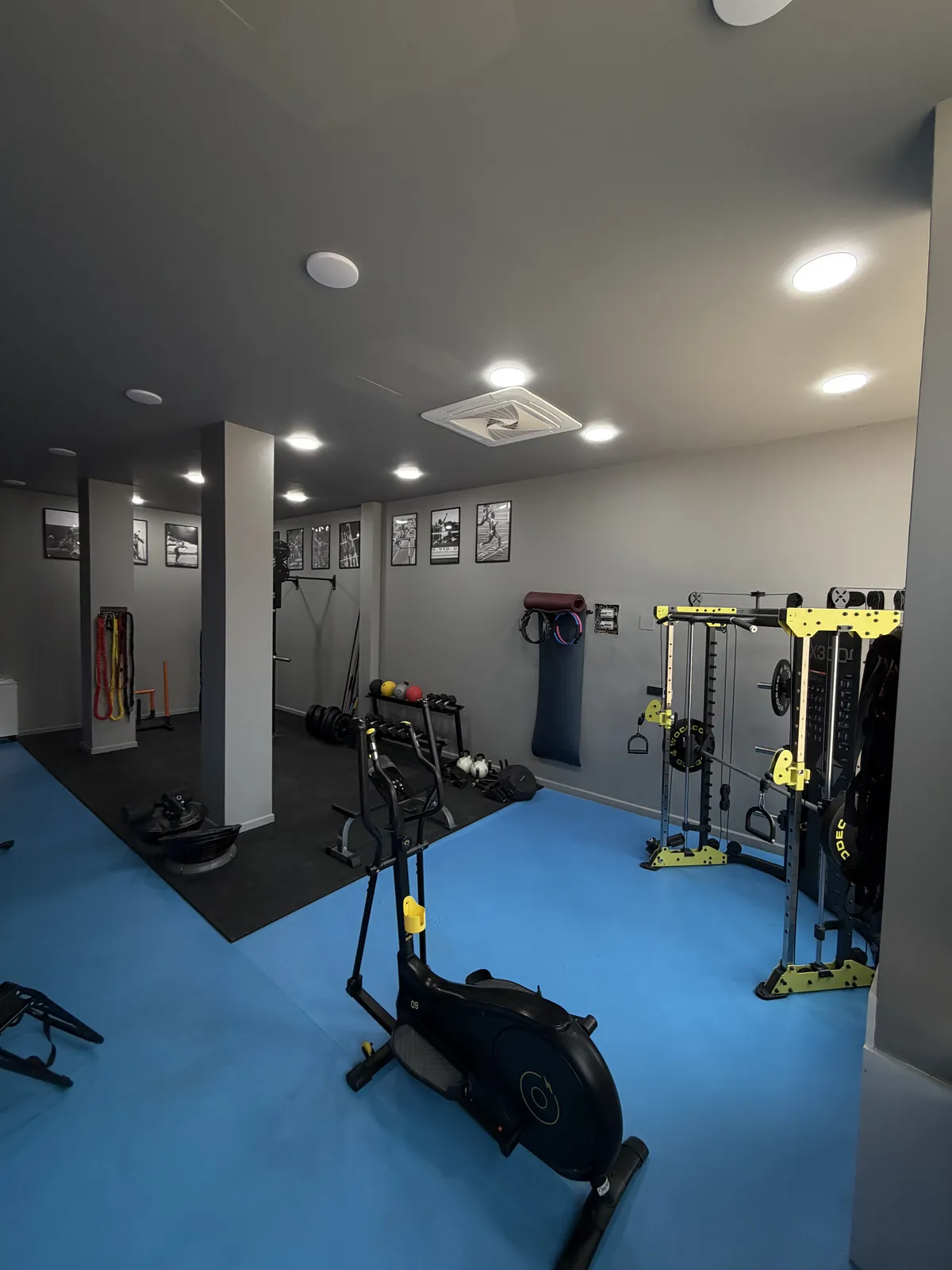
The fear of "bulking up" from lifting weights keeps many female athletes away from training exactly when they'd benefit from strength the most.
In assessments with female athletes, the concern heard most often is: "if I lift weights I'll bulk up and get slower." That worry is understandable, but it doesn't match the physiology, and it keeps many female athletes away from one of the most valuable tools for performance and injury prevention.
Noticeable increases in muscle bulk depend largely on testosterone levels. Those levels are far lower in women than in men, which is why the same strength training in women is generally seen as an increase in strength and muscle quality rather than bulk. For anyone worried about an "athletic" look, that isn't a real risk in practice.
The rate of ACL injury in female athletes is notably higher than in men in the same sport. Contributing factors include differences in hip-knee alignment and landing mechanics; regular strength and landing-technique training is one of the few measures shown to reduce that risk.
Resistance training is one of the proven methods for maintaining and increasing bone density. Bone health needs particular attention in young female athletes with irregular menstrual cycles especially; strength training plays a protective role in this group.
Current sports science shows that adjusting training intensity to the phase of the cycle can positively affect performance and recovery. That calls for a personalised approach rather than applying the same fixed programme to everyone.
Giving a female athlete a lighter version of a men's programme is a common but mistaken practice. Because hip-knee alignment, relative upper-body strength and injury patterns differ, the programme needs to be built from the ground up around the female athlete's own needs, not a general reduction.
Avoiding strength training doesn't spare a female athlete from "bulking up" — it deprives her of one of the strongest injury-prevention tools available.
Fzt. Bilal Kara builds personalised, injury-preventive strength training programmes for female athletes in Bursa Nilüfer. You can book an appointment.

Orthopaedics and Rehabilitation
Chiropractic and manual therapy are often confused. Both are done with the hands, but their approaches and frameworks differ.
6 September 2026 · 2 min read
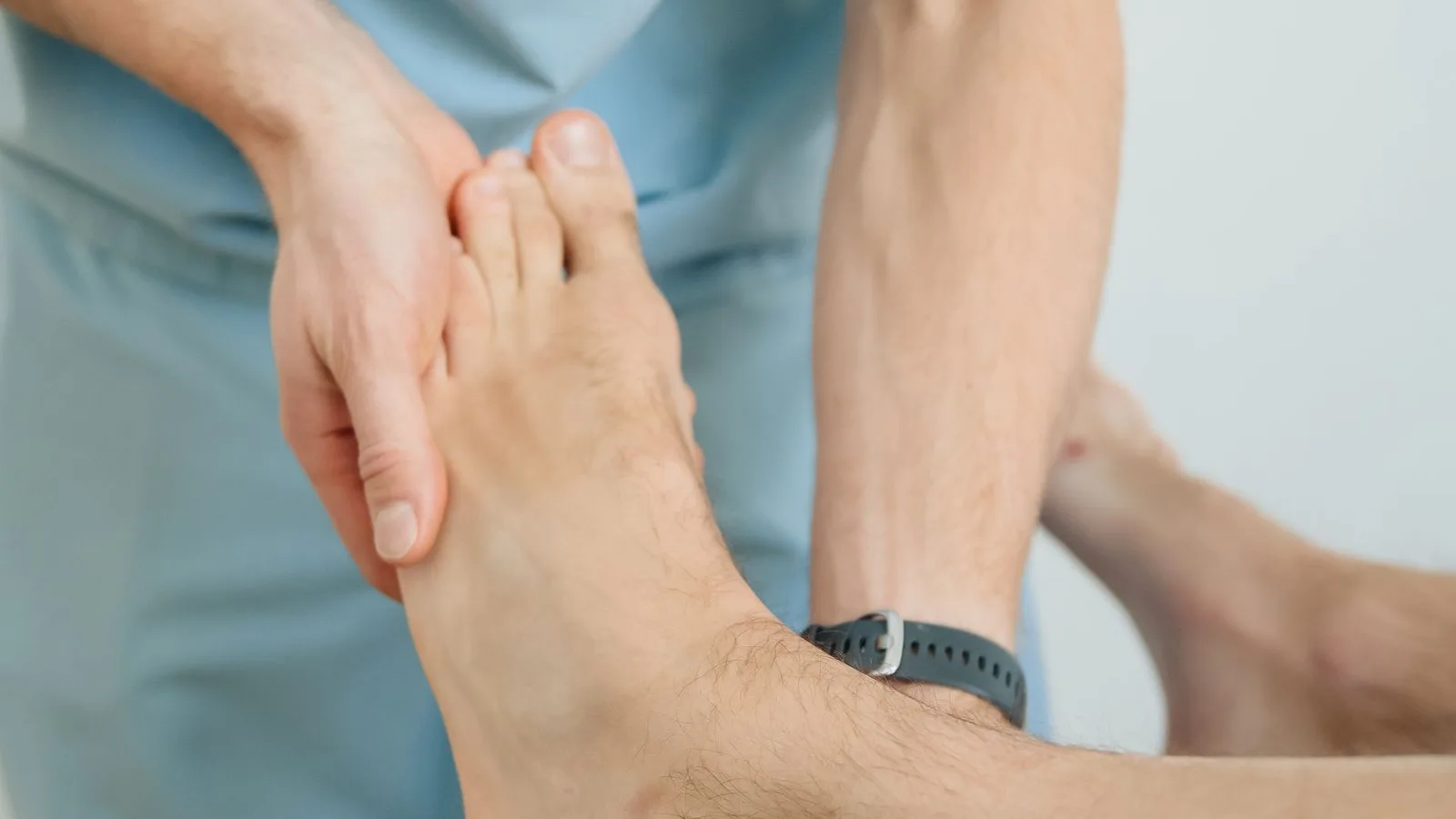
Orthopaedics and Rehabilitation
The sharp heel pain on the first step in the morning is often assumed to be a heel spur. But the real name for this condition is plantar fasciitis, and the two aren't the same thing.
6 September 2026 · 2 min read
Orthopaedics and Rehabilitation
Flat feet aren't a disease in most people and cause no complaint. The real question is whether they're leading to a problem.
6 September 2026 · 2 min read
Injury rehabilitation and criteria-based return to play for athletes at every level.
A measurement-based, one-to-one strength and conditioning programme supervised by a physiotherapist.
The full ACL pathway: preparation before surgery through to a measured, test-based return to sport.