How Does Rehabilitation Work After Meniscus Surgery?
Fzt. Bilal Kara · 20 August 2026 · 2 min read
Fzt. Bilal Kara · 20 August 2026 · 2 min read
Not all meniscus surgeries are the same; the rehabilitation programme is built differently from the start depending on the type of surgery performed.
The most common mistake athletes make around meniscus surgery rehabilitation is assuming "I had meniscus surgery, so I'll recover in such-and-such time" without distinguishing the type of surgery. In reality, two different types of surgery call for entirely different recovery timelines.
In a partial meniscectomy, the damaged piece of tissue is removed; weight-bearing restrictions are usually minimal and recovery can be complete within weeks. In a meniscus repair, the tissue is stitched and preserved; for the stitch to hold, weight-bearing at certain angles is restricted for weeks. Confusing the two processes means either progressing needlessly slowly or putting the repair at risk.
In the first weeks the goal is reducing swelling inside the joint and gradually regaining knee range of motion. With repair surgery, the angle and weight-bearing limits set by the surgeon are followed strictly — these limits aren't arbitrary, they're based on the biology of how the repair heals.
After knee surgery the thigh muscle (quadriceps) loses strength at a surprising rate — noticeable thinning can appear within a few days. Minimising that loss is possible in the early phase with neuromuscular electrical stimulation and isometric exercises; recovering it after it's already happened takes far longer.
Once swelling is under control, closed-chain exercises where the foot stays fixed on the ground — squats, leg press — are added to the programme. These keep the shear force on the joint limited while strengthening the knee safely.
Even once pain and swelling have resolved, the knee still needs separate preparation for sport-specific loads such as running, changing direction and jumping. Skip this stage, and a knee that looks fine in daily life can be strained again on the first change of direction on the field.
Before starting the rehabilitation programme, exactly which type of meniscus surgery was performed and the restrictions set by the surgeon are clarified. A programme built without this information either delays healing or puts the repair at risk.
Fzt. Bilal Kara builds personalised meniscus rehabilitation programmes in Bursa Nilüfer based on the type of surgery performed. You can book an appointment.
Orthopaedics and Rehabilitation
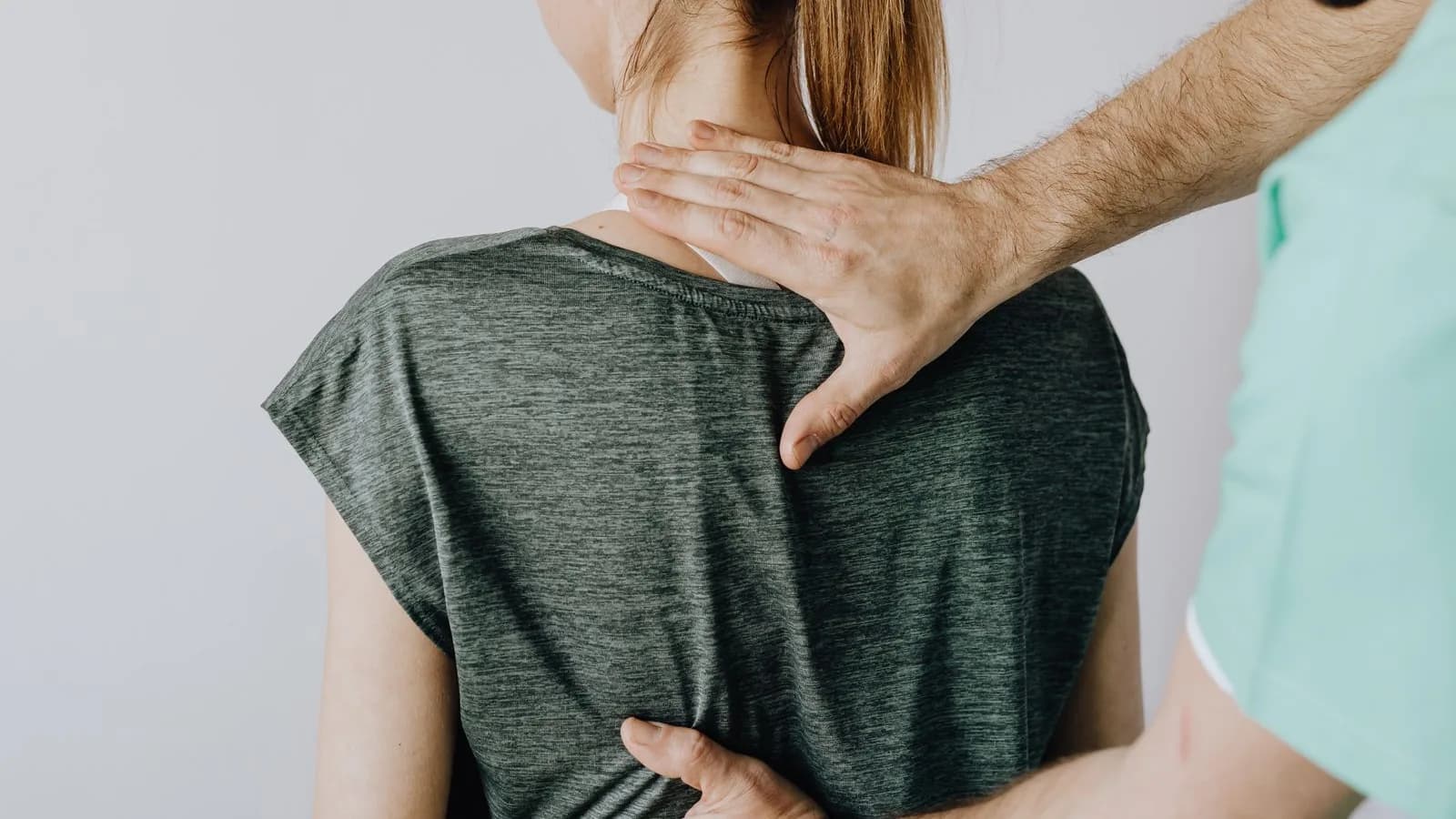
Chiropractic and manual therapy are often confused. Both are done with the hands, but their approaches and frameworks differ.
6 September 2026 · 2 min read
Orthopaedics and Rehabilitation
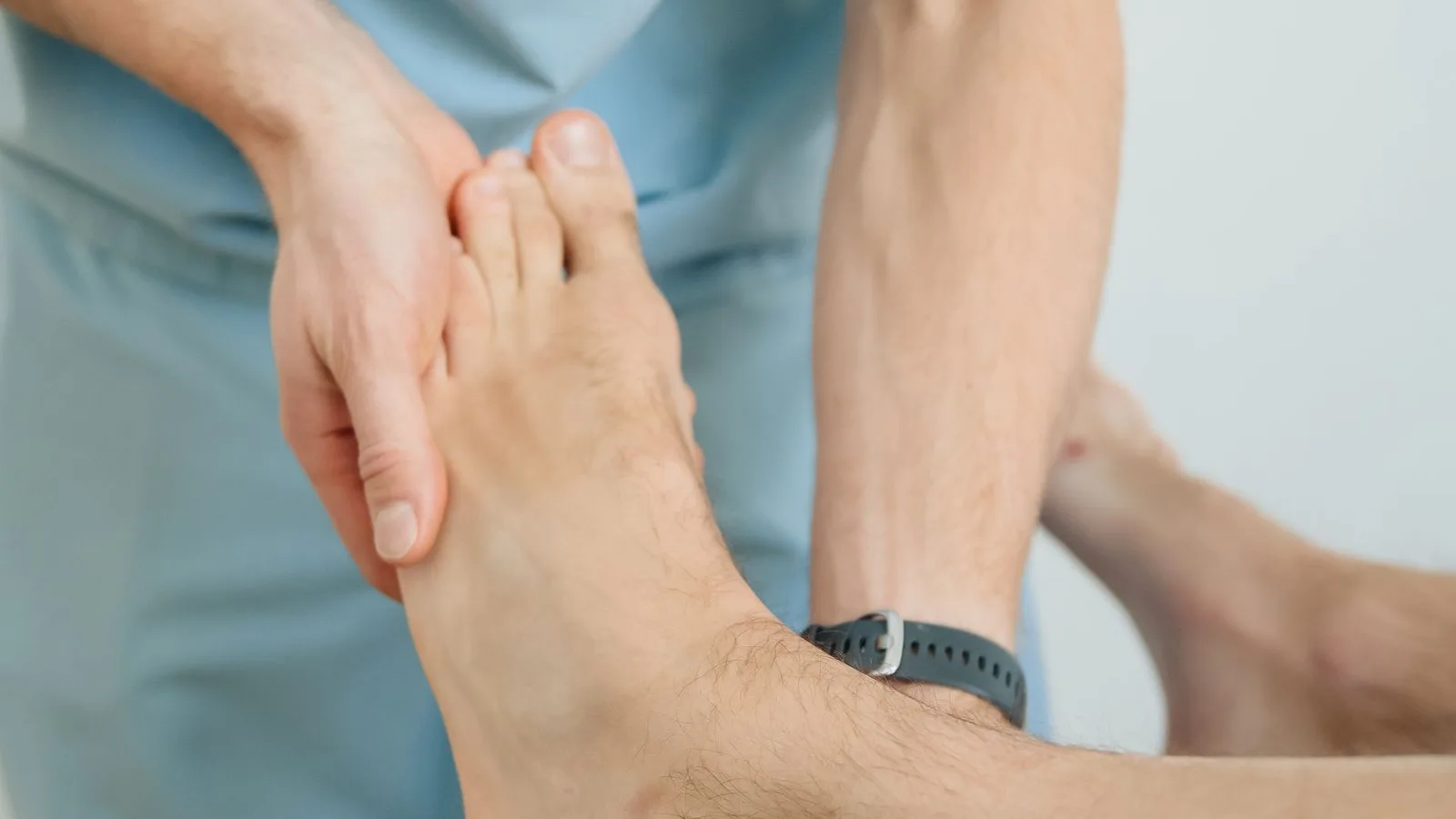
The sharp heel pain on the first step in the morning is often assumed to be a heel spur. But the real name for this condition is plantar fasciitis, and the two aren't the same thing.
6 September 2026 · 2 min read
Orthopaedics and Rehabilitation
Flat feet aren't a disease in most people and cause no complaint. The real question is whether they're leading to a problem.
6 September 2026 · 2 min read
Graded, measurement-based rehabilitation for joint problems and the period after orthopaedic surgery.
Strength-focused rehabilitation for meniscus and ligament injuries, cartilage wear and the period after surgery.
For heel pain that bites on the first step of the morning: shockwave, load management and a graded strengthening programme.