Fear After Injury: Why the Brain Learns to Avoid Movement
Fzt. Bilal Kara · 9 July 2026 · 1 min read
Fzt. Bilal Kara · 9 July 2026 · 1 min read
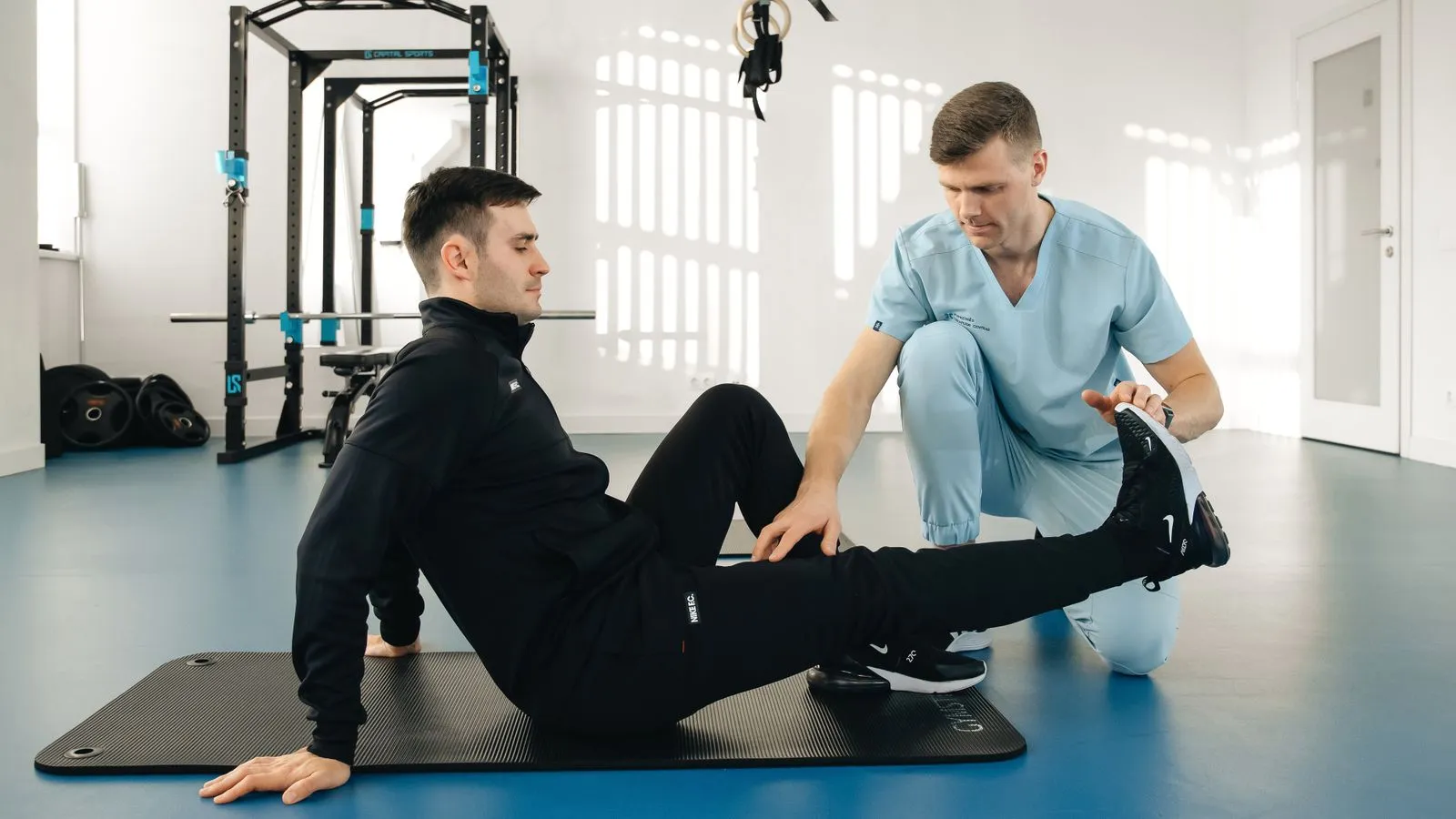
In athletes recovering from a knee or shoulder injury, hesitation around movement can persist even once the tissue has fully healed. That's not weakness — it's a learned protection.
In the period after an injury, some athletes keep hesitating around a specific movement — a jump, a sudden turn — even once the tissue has physically healed. That isn't a voluntary choice; it's a protective mechanism the nervous system has learned.
Because pain was paired with that movement at the moment of injury, the brain flags the movement as dangerous again. That pairing doesn't erase itself just because the tissue has healed.
Hesitating around a movement stops it being performed with full power and natural fluency; that reduces performance and, paradoxically, raises the risk of re-injury.
Exposing the feared movement repeatedly, under low risk and with a graded, successful experience each time, lets the brain relabel that movement as safe.
Even when physical tests are passed, a return made without measuring confidence in the movement is incomplete.
Fzt. Bilal Kara addresses both the physical and the movement-confidence side after an injury in Bursa Nilüfer. You can book an appointment.
Orthopaedics and Rehabilitation
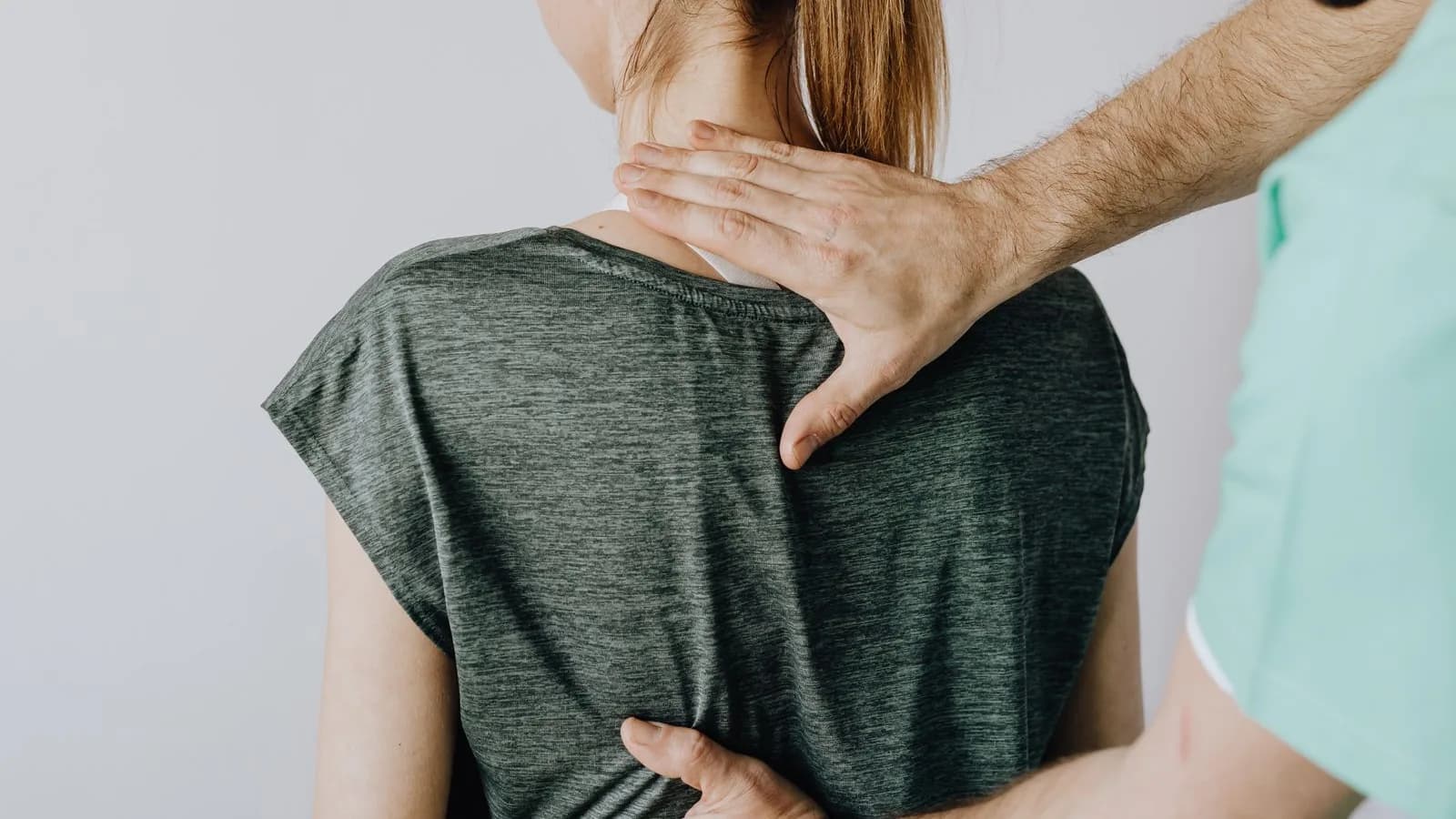
Chiropractic and manual therapy are often confused. Both are done with the hands, but their approaches and frameworks differ.
6 September 2026 · 2 min read
Orthopaedics and Rehabilitation
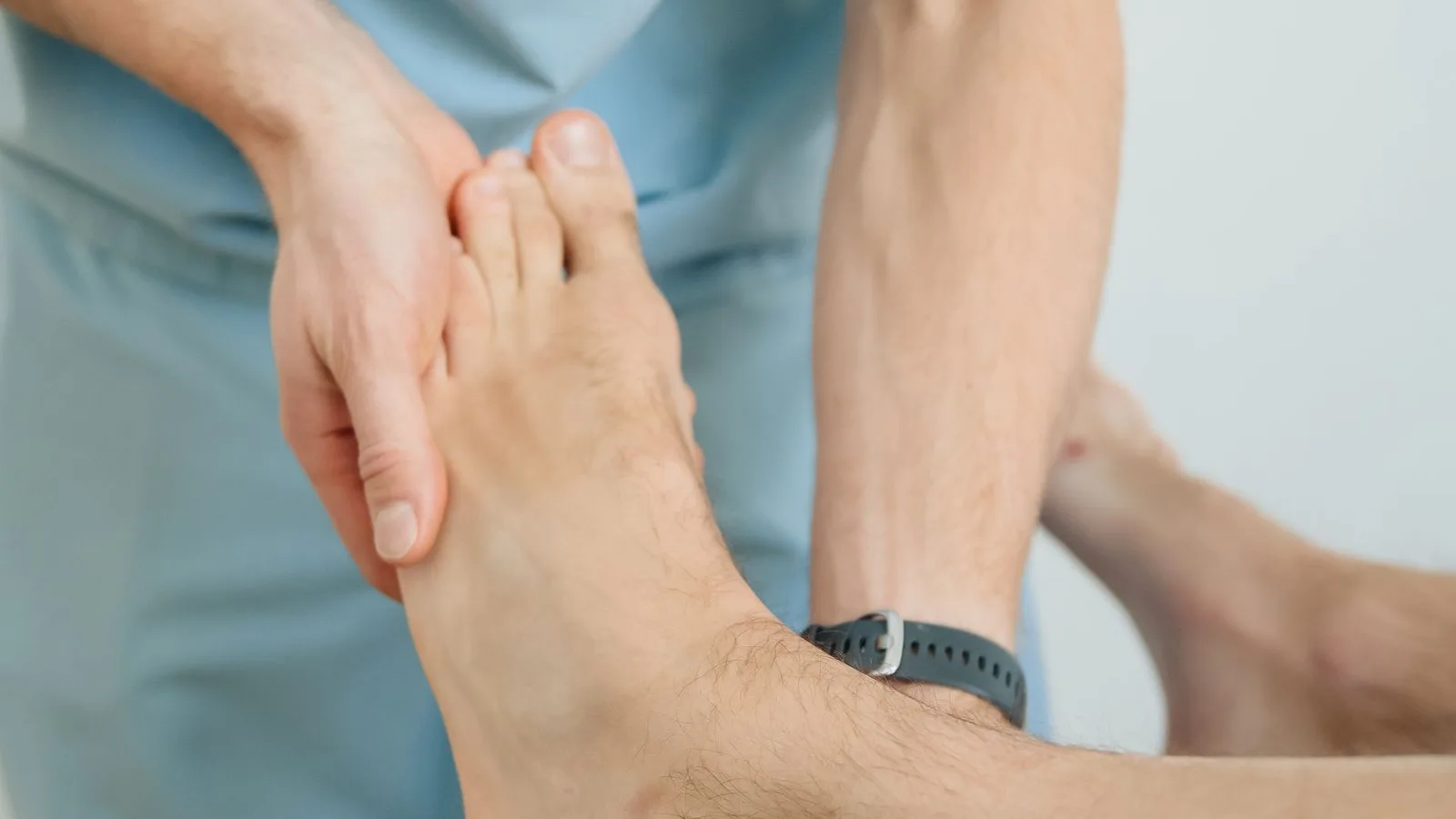
The sharp heel pain on the first step in the morning is often assumed to be a heel spur. But the real name for this condition is plantar fasciitis, and the two aren't the same thing.
6 September 2026 · 2 min read
Orthopaedics and Rehabilitation
Flat feet aren't a disease in most people and cause no complaint. The real question is whether they're leading to a problem.
6 September 2026 · 2 min read
A programme aimed at walking, balance and daily independence after stroke, MS, Parkinson's and brain injury.
Long-term support focused on independence and quality of life in cerebral palsy, muscle disease and spinal cord injury.
Graded, measurement-based rehabilitation for joint problems and the period after orthopaedic surgery.