
Staying Active in Sport with Ankylosing Spondylitis
Fzt. Bilal Kara · 18 June 2026 · 1 min read
Fzt. Bilal Kara · 18 June 2026 · 1 min read
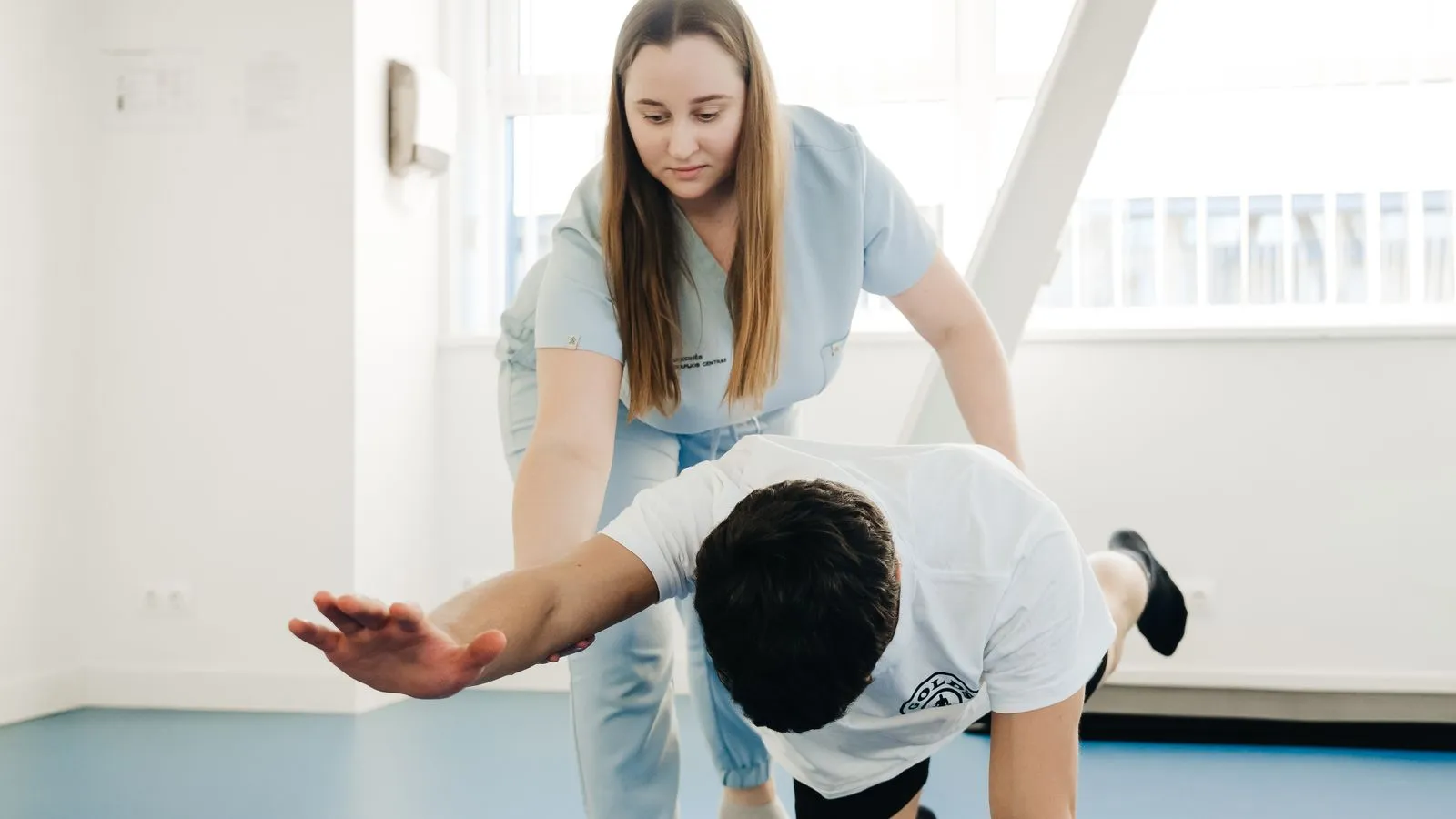
An AS diagnosis doesn't mean giving up sport. The right sport, chosen well, can become one of the most effective tools for managing the condition.
The most common worry among active people diagnosed with ankylosing spondylitis (AS) is "I won't be able to do sport like before." In fact, with the right sport chosen and the dose managed well, sport becomes one of the strongest tools for managing AS.
Swimming is often recommended in AS for how it opens the rib cage while placing low impact on the spine. Controlled strength training also strengthens the back muscles that support posture.
Sports involving excessive bending, sudden impact or repeated collision — some contact sports, for instance — carry more risk for the spine. That doesn't mean they're off limits entirely, but they call for more careful attention to technique and dose.
During an active flare, training intensity is reduced; during a quiet period, it's increased gradually. Striking that balance calls for working with the physician following the disease's course.
Fzt. Bilal Kara builds sport-specific training programmes adapted to disease activity for active people with AS in Bursa Nilüfer. You can book an appointment.

Orthopaedics and Rehabilitation
Chiropractic and manual therapy are often confused. Both are done with the hands, but their approaches and frameworks differ.
6 September 2026 · 2 min read
Orthopaedics and Rehabilitation
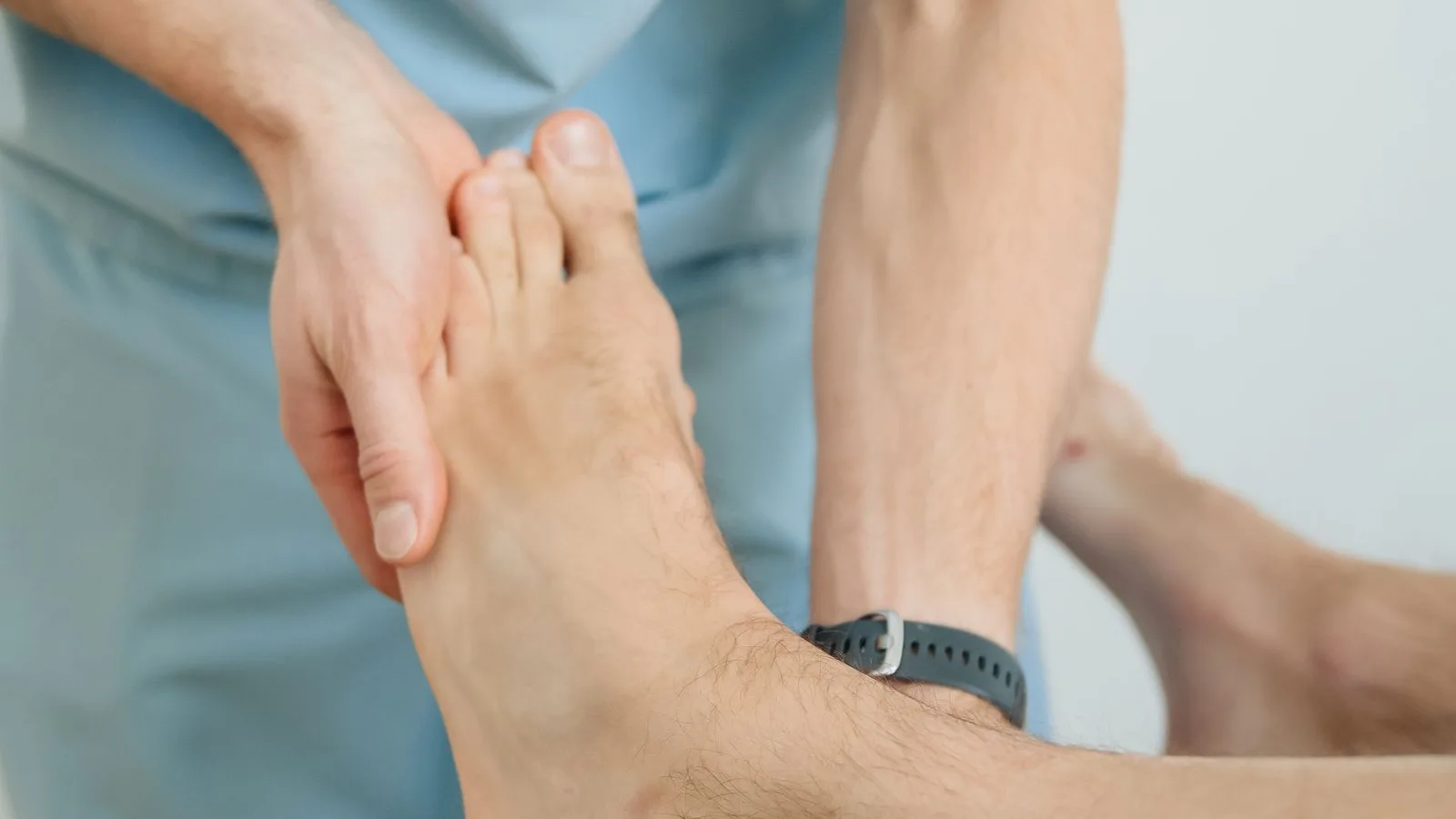
The sharp heel pain on the first step in the morning is often assumed to be a heel spur. But the real name for this condition is plantar fasciitis, and the two aren't the same thing.
6 September 2026 · 2 min read
Orthopaedics and Rehabilitation
Flat feet aren't a disease in most people and cause no complaint. The real question is whether they're leading to a problem.
6 September 2026 · 2 min read
For morning stiffness and spinal rigidity: a consistency-based exercise programme that protects mobility.
For back pain that persists without a clear imaging finding: a programme that looks for the source.
For pain settling between the shoulder blades that builds through the day: a programme aimed at the source.