
Ankle Sprain in Athletes: The Cost of Returning Too Soon
Fzt. Bilal Kara · 30 June 2026 · 1 min read
Fzt. Bilal Kara · 30 June 2026 · 1 min read
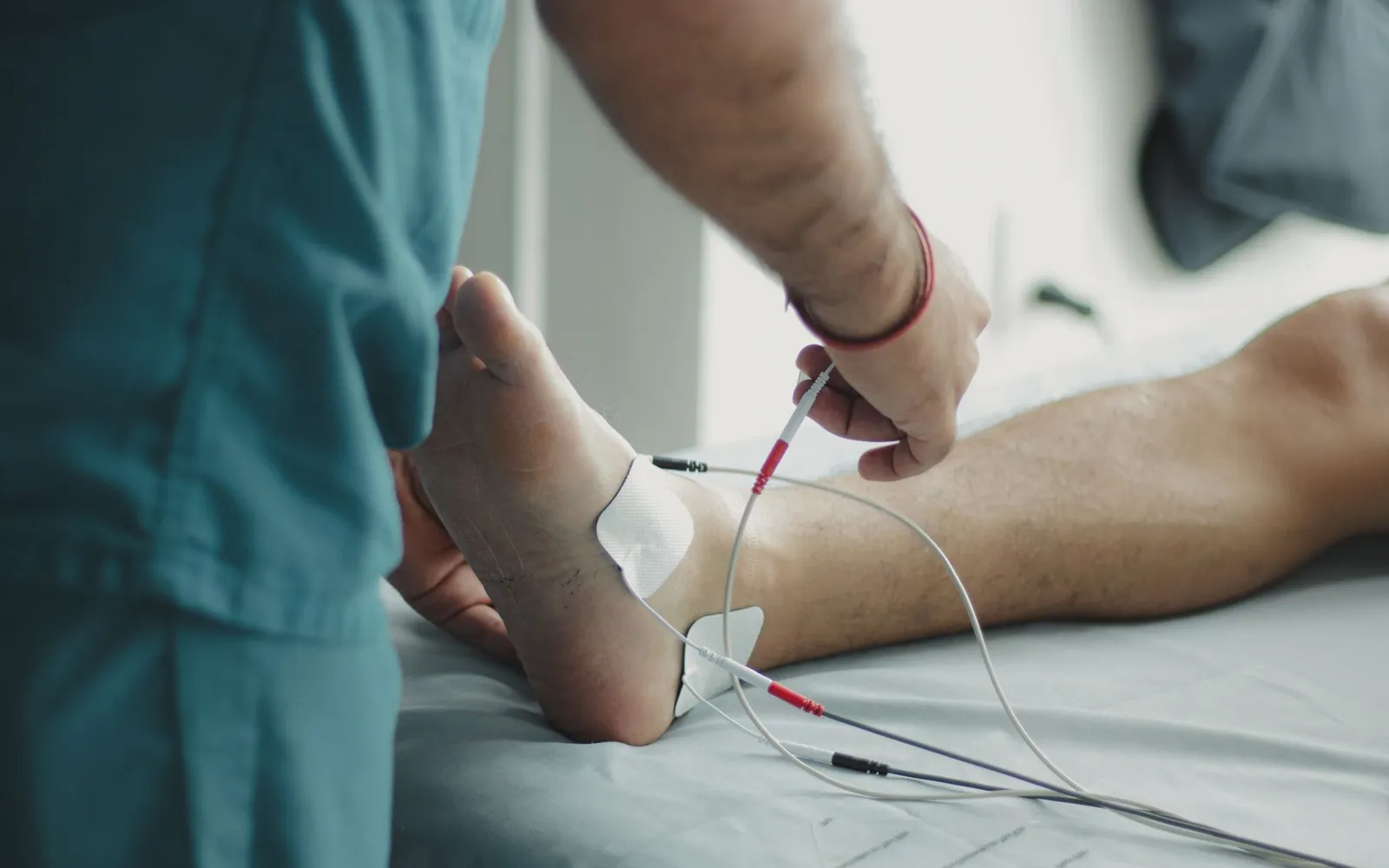
Returning to the field the moment the pain stops is the most common cause of re-injury in athletes. A "ready" ankle needs more than just being pain-free.
In athletes, the most common mistake after an ankle sprain is returning to training or a match the moment the pain stops. Research shows the risk of re-spraining rises significantly in the year after the first sprain — and the usual cause is returning too early.
Pain is a warning from the nervous system, not a sign the tissue has reached full capacity. Strength, balance and change-of-direction capacity can still be lacking weeks after the pain has gone.
Single-leg hop distance, change-of-direction speed and a controlled landing are the measurable criteria the return-to-play decision rests on — without meeting them, returning is considered risky.
Taping or a brace offers support, but it doesn't fix the underlying strength and balance deficit — it doesn't replace rehabilitation.
Fzt. Bilal Kara assesses athletes' return to play after an ankle sprain in Bursa Nilüfer using measurable tests. You can book an appointment.

Orthopaedics and Rehabilitation
Chiropractic and manual therapy are often confused. Both are done with the hands, but their approaches and frameworks differ.
6 September 2026 · 2 min read
Orthopaedics and Rehabilitation
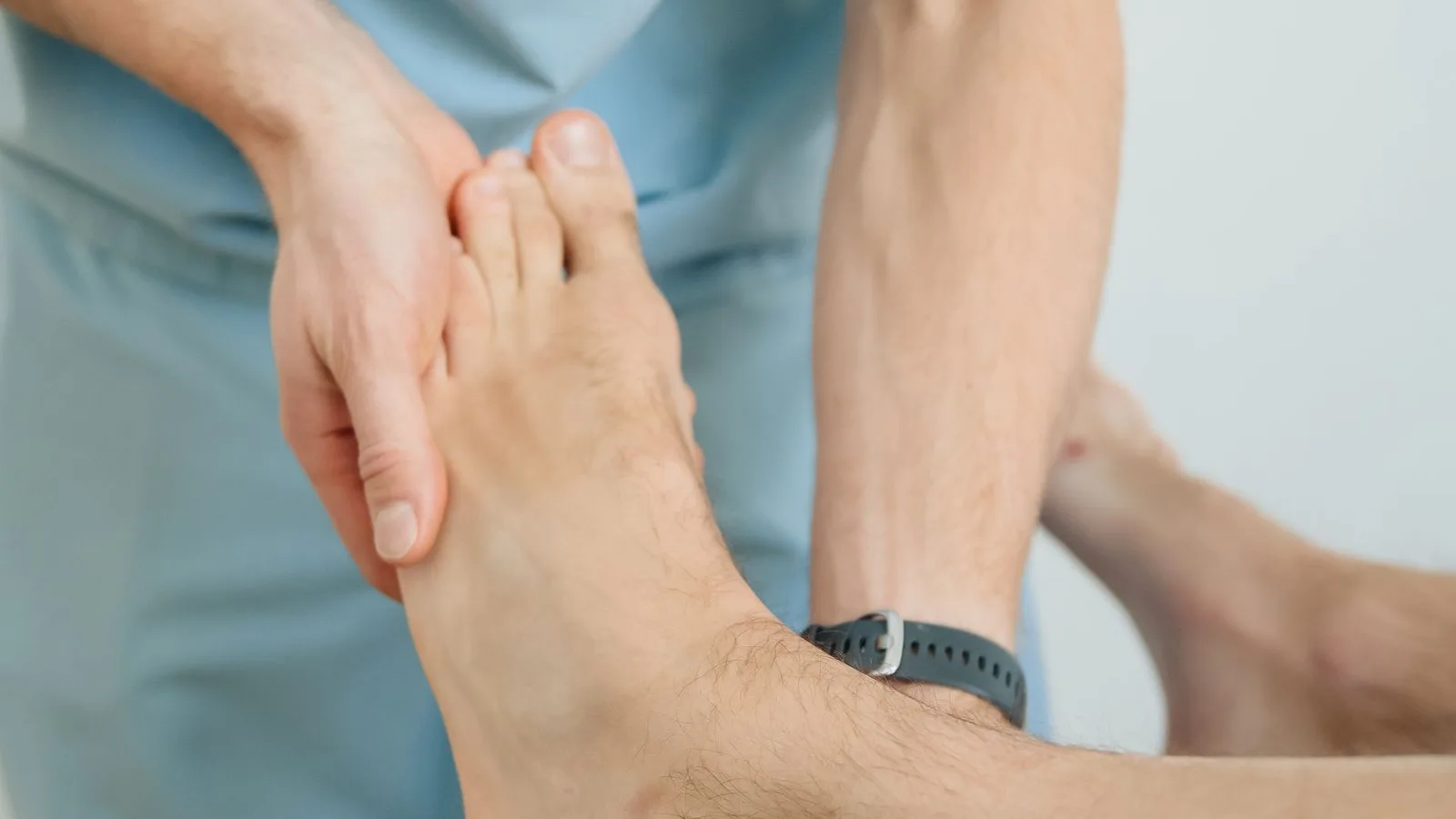
The sharp heel pain on the first step in the morning is often assumed to be a heel spur. But the real name for this condition is plantar fasciitis, and the two aren't the same thing.
6 September 2026 · 2 min read
Orthopaedics and Rehabilitation
Flat feet aren't a disease in most people and cause no complaint. The real question is whether they're leading to a problem.
6 September 2026 · 2 min read
Balance and strength-focused rehabilitation for sprains, ligament injuries, Achilles problems and heel pain.
For heel pain that bites on the first step of the morning: shockwave, load management and a graded strengthening programme.
For a collapsing arch that causes symptoms: strengthening and load management, not routine intervention.