
Jaw Joint (TMJ) Health in Combat and Contact Sports
Fzt. Bilal Kara · 6 June 2026 · 1 min read
Fzt. Bilal Kara · 6 June 2026 · 1 min read
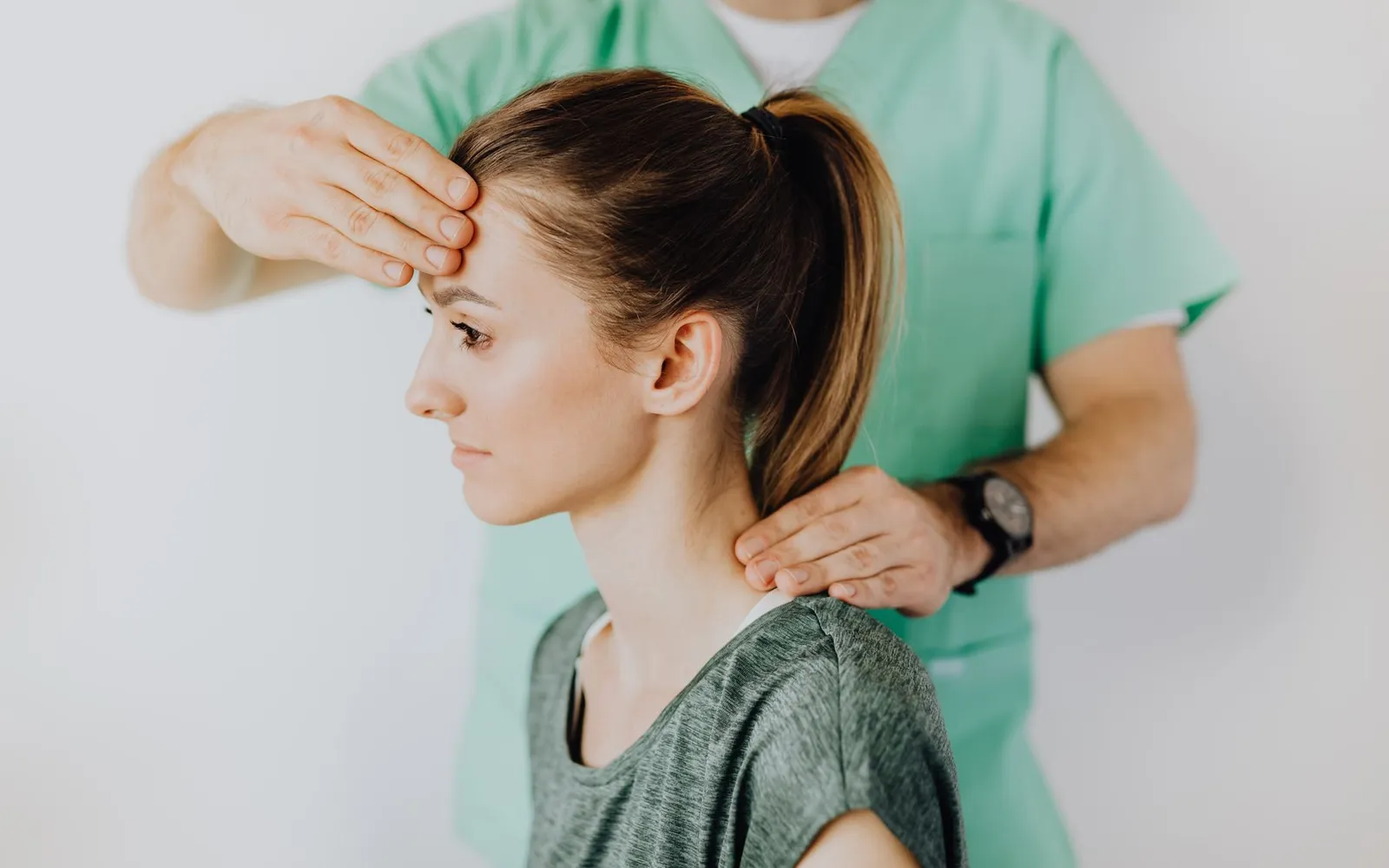
Wearing a mouthguard isn't enough on its own to protect the jaw joint. The strength and flexibility of the muscles around it matter just as much.
In combat and contact sports, the jaw joint (TMJ) comes under strain from clenching, tension and repeated micro-trauma even without a direct blow.
Unconscious teeth-clenching during intense effort keeps the muscles around the jaw constantly tense. That alone, without any direct impact, can lead to TMJ discomfort.
A mouthguard protects by dispersing impact energy, but it doesn't prevent problems caused by muscle tension — that needs its own assessment.
Tension in the jaw and upper neck can indirectly affect performance by causing headaches and difficulty concentrating.
An assessment that relaxes the jaw and neck muscles and supports posture both reduces pain and protects training quality.
Fzt. Bilal Kara assesses the jaw and neck region for athletes in combat and contact sports in Bursa Nilüfer. You can book an appointment.
Orthopaedics and Rehabilitation
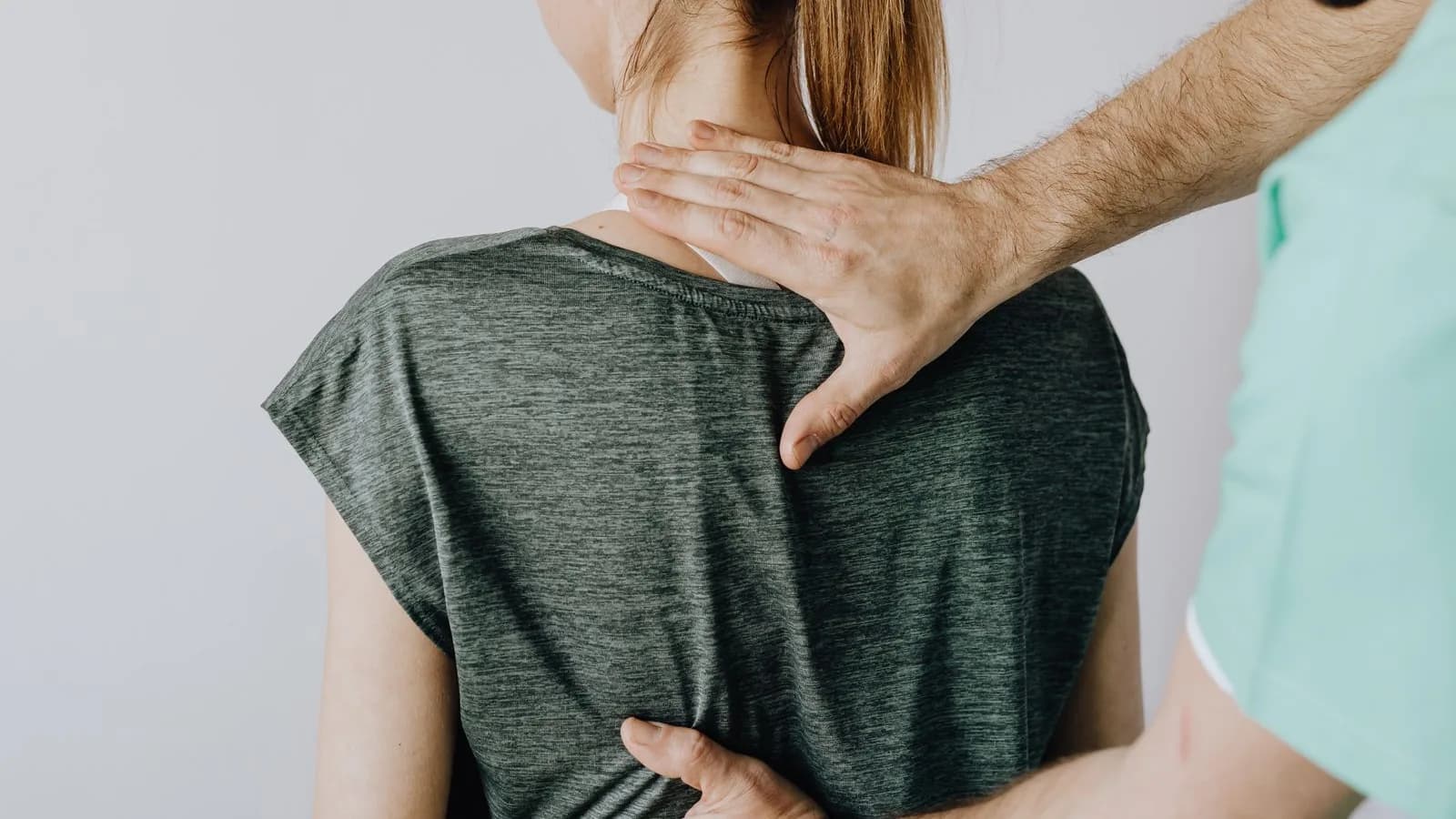
Chiropractic and manual therapy are often confused. Both are done with the hands, but their approaches and frameworks differ.
6 September 2026 · 2 min read
Orthopaedics and Rehabilitation
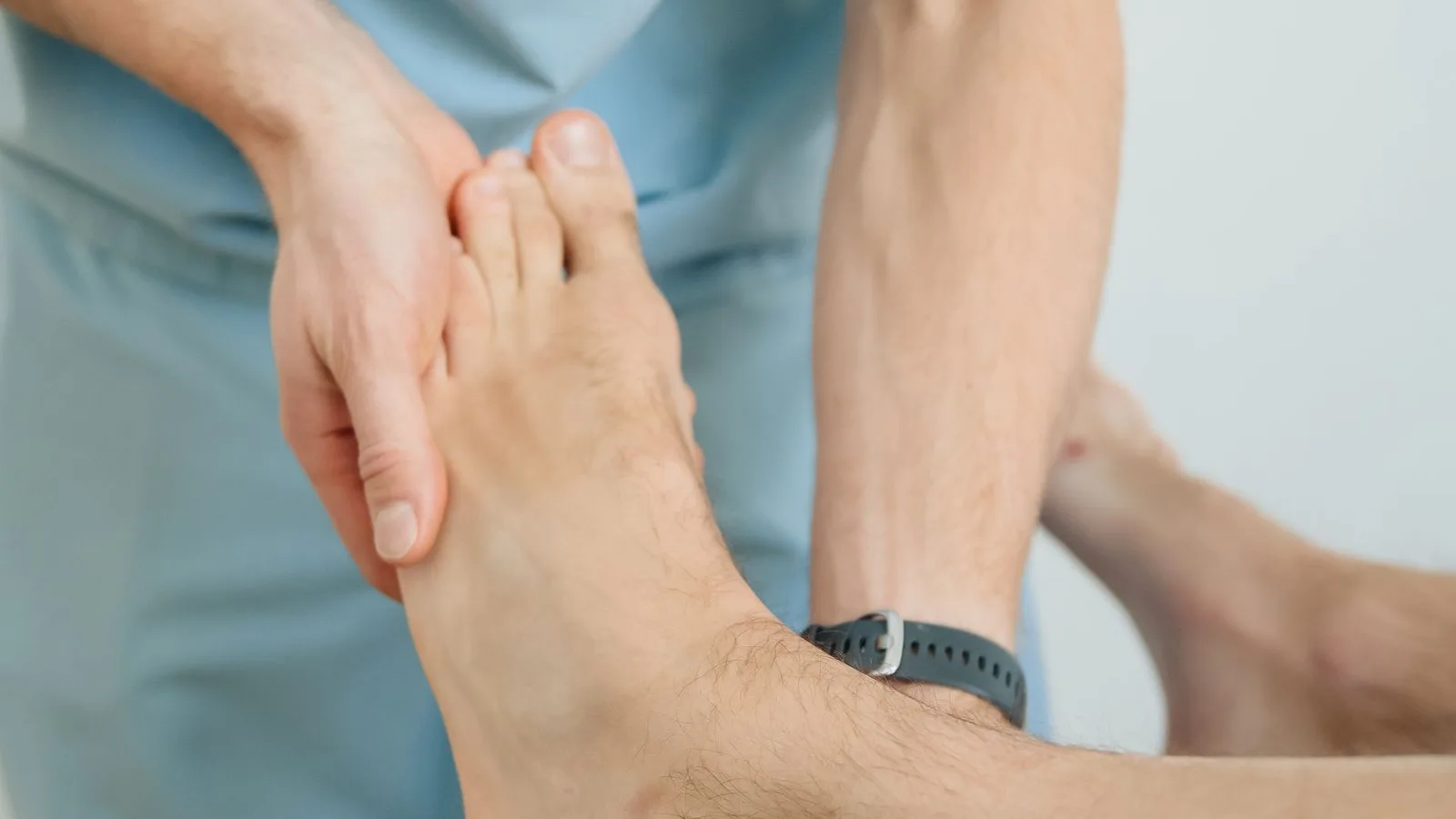
The sharp heel pain on the first step in the morning is often assumed to be a heel spur. But the real name for this condition is plantar fasciitis, and the two aren't the same thing.
6 September 2026 · 2 min read
Orthopaedics and Rehabilitation
Flat feet aren't a disease in most people and cause no complaint. The real question is whether they're leading to a problem.
6 September 2026 · 2 min read
Manual therapy for jaw pain, clicking and locking, with the upper neck assessed as part of the same picture.
Hands-on techniques applied to joints and soft tissue, combined with exercise for a result that lasts.
For a neck that suddenly locks: fast relief in the acute phase, then work aimed at preventing recurrence.