Rehabilitation After an ACL Tear
Fzt. Bilal Kara · 31 August 2026 · 2 min read
Fzt. Bilal Kara · 31 August 2026 · 2 min read
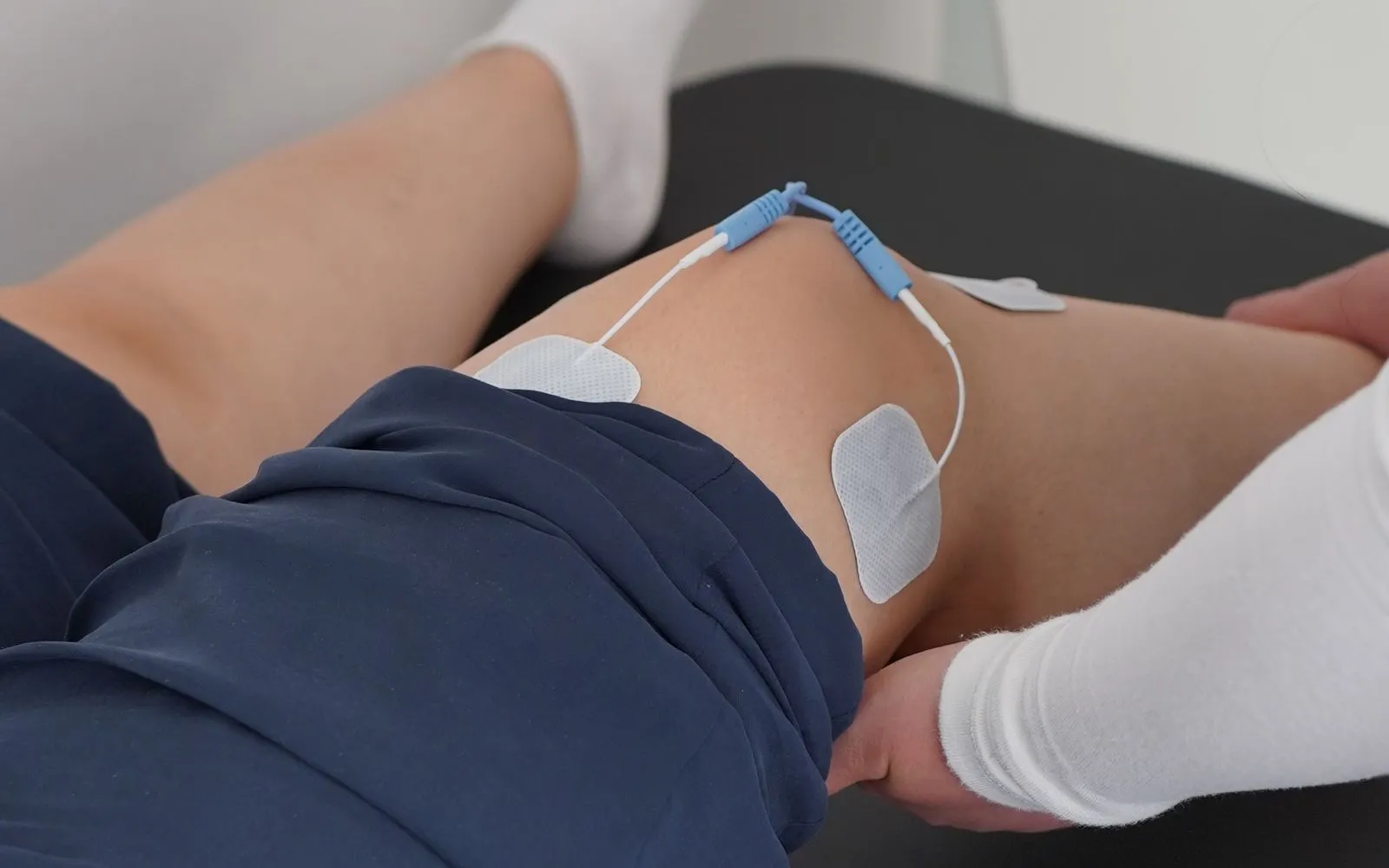
With an ACL tear, what decides the outcome is the rehabilitation that follows, as much as the tear itself.
The anterior cruciate ligament (ACL) is the main ligament that controls the knee's rotation and forward-sliding movement. It usually tears in sports with sudden changes of direction, like football, basketball, or skiing, often with a non-contact movement. As much as the tear itself, the rehabilitation that follows determines the knee's future.
Not every ACL tear needs surgery. The decision is made based on the person's age, activity level, additional injuries in the knee (meniscus, other ligaments), and whether there's a sense of the knee "giving way." Surgery is often chosen for young athletes wanting to return to sports with sudden changes of direction; for a less demanding life, a strong rehabilitation programme alone may be enough. The decision belongs to the orthopaedic surgeon.
Even if the surgical decision is made, the person doesn't go straight to the table. A preparation period is applied until knee swelling goes down and range of motion and muscle control return. Going into surgery with a strong knee noticeably eases what follows — this is one of the points with the clearest evidence.
Rehabilitation is a measurement-based process spanning months:
Returning to sport early and unprepared is the most common cause of re-injury. The knee may "not hurt," but if strength and control aren't adequate, the ligament is at risk again. That's why the return decision rests on measured readiness, not on time elapsed.
In some low-to-moderate-demand disciplines, it may be possible with a strong strength and control programme; the decision is made together with the orthopaedic surgeon.
Yes — since the strength and control of the sound leg is the comparison benchmark, it's tracked regularly, and if it's found to be weak, it's included in the programme too.
Fzt. Bilal Kara runs the ACL process on a measurement basis from before surgery to return to sport; each stage is checked with tests. You can find more detail on ACL rehabilitation here or book an appointment.
Orthopaedics and Rehabilitation
Chiropractic and manual therapy are often confused. Both are done with the hands, but their approaches and frameworks differ.
6 September 2026 · 2 min read
Orthopaedics and Rehabilitation
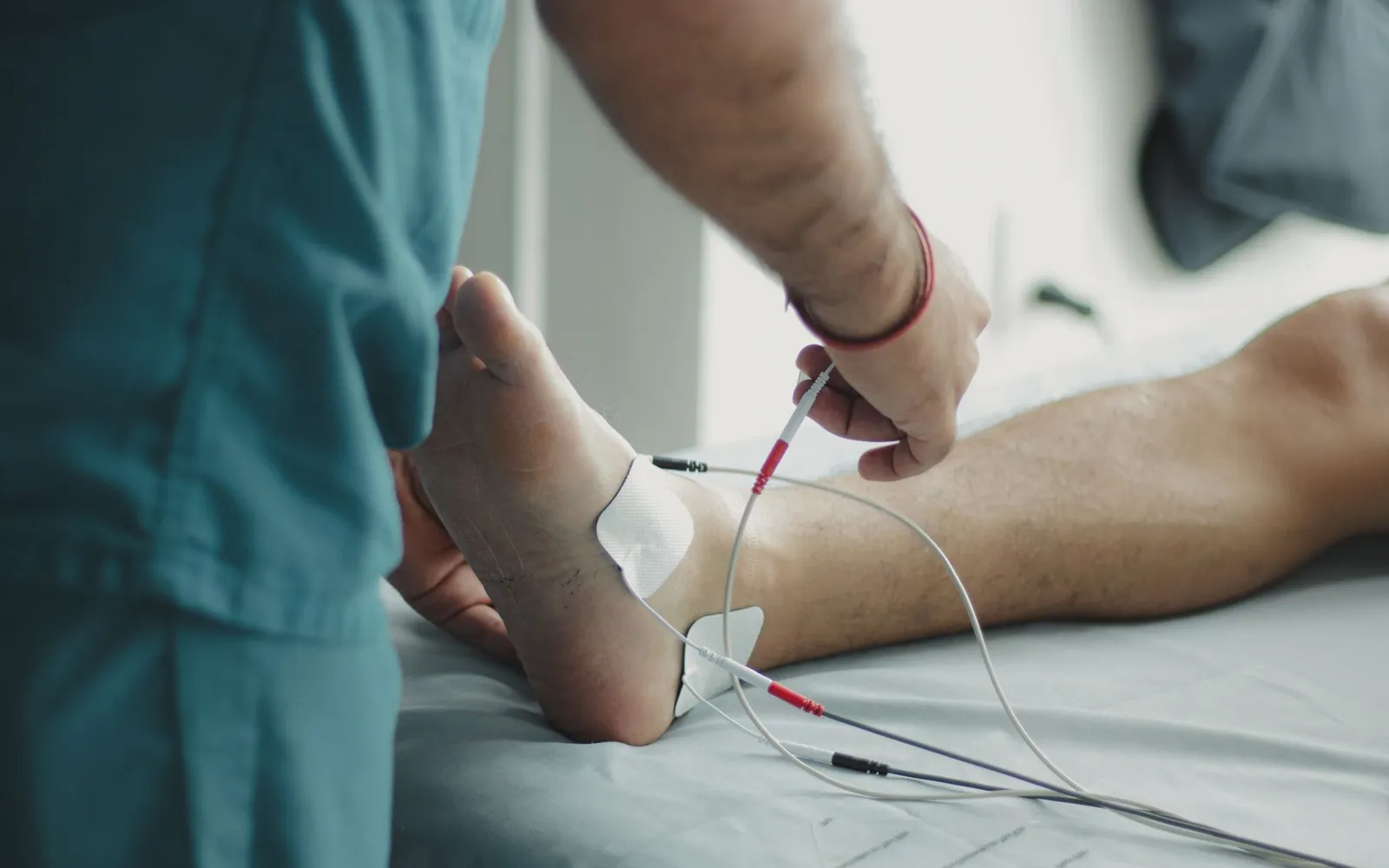
The sharp heel pain on the first step in the morning is often assumed to be a heel spur. But the real name for this condition is plantar fasciitis, and the two aren't the same thing.
6 September 2026 · 2 min read
Orthopaedics and Rehabilitation
Flat feet aren't a disease in most people and cause no complaint. The real question is whether they're leading to a problem.
6 September 2026 · 2 min read
The full ACL pathway: preparation before surgery through to a measured, test-based return to sport.
For meniscus tears, with or without surgery: graded rehabilitation that makes the knee trustworthy again.
Strength-focused rehabilitation for meniscus and ligament injuries, cartilage wear and the period after surgery.