Load Management in Athlete Health: Preventing Overtraining Injuries
Fzt. Bilal Kara · 20 August 2026 · 2 min read
Fzt. Bilal Kara · 20 August 2026 · 2 min read
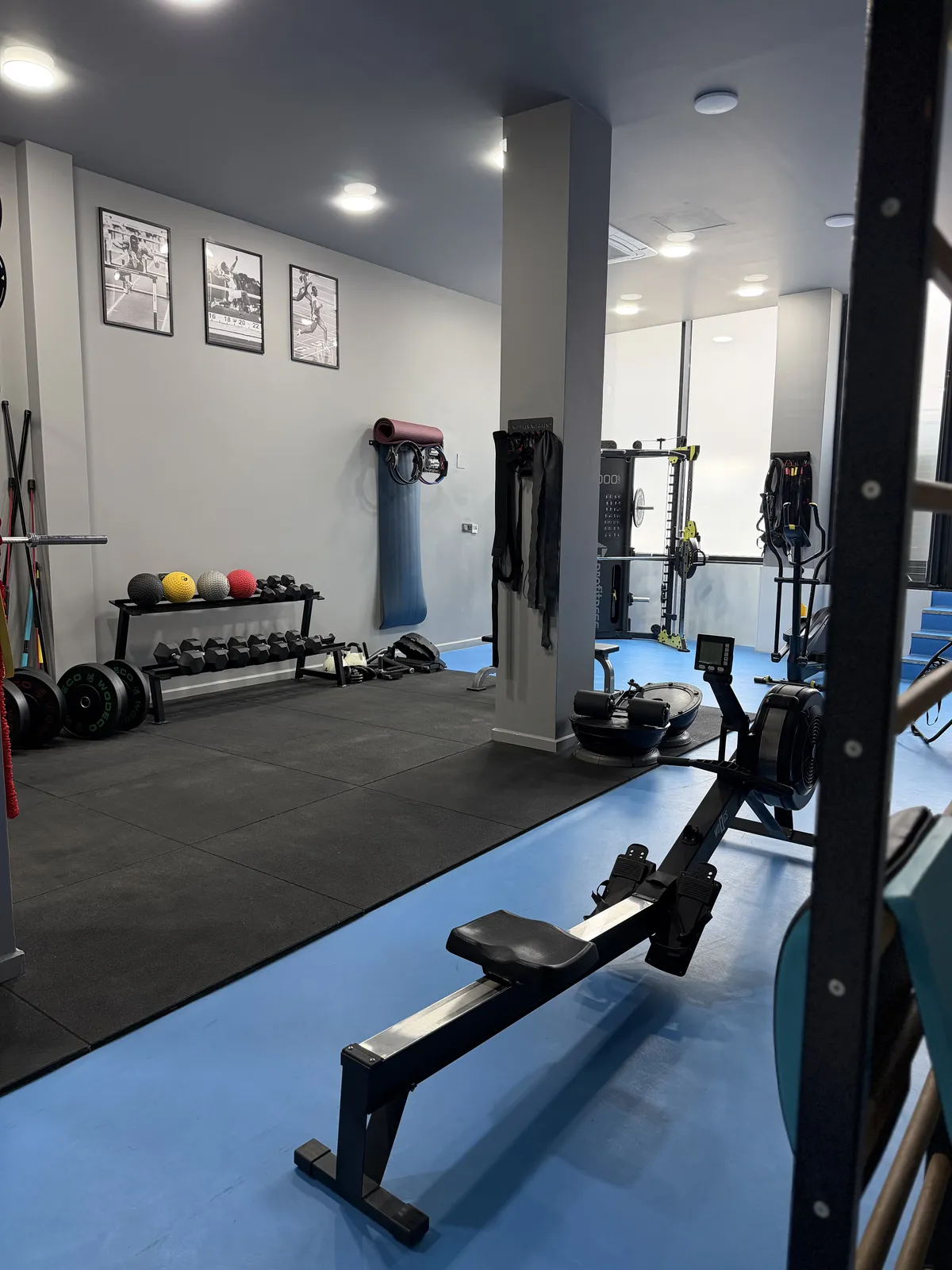
Most sports injuries don't come from a single bad movement — they come from ramping up training load too quickly.
A significant share of sports injuries don't happen in a single traumatic moment — they build up over weeks of loading. These are called overuse injuries, and they're largely preventable, because their source is a variable that can be identified: load management.
A concept used often in sports science literature, this compares the training load done in the last 7 days (acute) with the average load over the last 4 weeks (chronic). When acute load significantly exceeds chronic load — meaning the body is loaded far more than it's used to — injury risk rises sharply.
Barely moving all week and then heading into a long, intense training session or match at the weekend is a classic example of acute:chronic mismatch. The body isn't exposed to small loads spread across the week — it's hit with a large load squeezed into a single day.
The period in a season when injuries occur most often is usually the first few weeks. After the summer break the body tries to quickly return to the previous season's load level; if that transition isn't made gradually, risk rises noticeably.
While professional teams use GPS and heart-rate data, simple methods are enough for amateur and individual athletes: total weekly training time, perceived exertion (on a 0–10 scale), and tracking sleep and fatigue are enough to notice sudden jumps in load.
Not increasing weekly load by more than 10% over the previous week is a common rule, but it isn't enough on its own; recovery quality, sleep, nutrition and stress levels all affect injury risk too. Load management should take this whole picture into account, not just the numbers.
Unusually long-lasting soreness after training, an unexplained drop in performance, and fatigue that doesn't resolve with rest are early signs that load is exceeding the body's recovery capacity. These signals should be assessed, not ignored.
Fzt. Bilal Kara assesses training load for athletes in Bursa Nilüfer and builds graded loading plans that reduce injury risk. You can book an appointment.

Orthopaedics and Rehabilitation
Chiropractic and manual therapy are often confused. Both are done with the hands, but their approaches and frameworks differ.
6 September 2026 · 2 min read
Orthopaedics and Rehabilitation
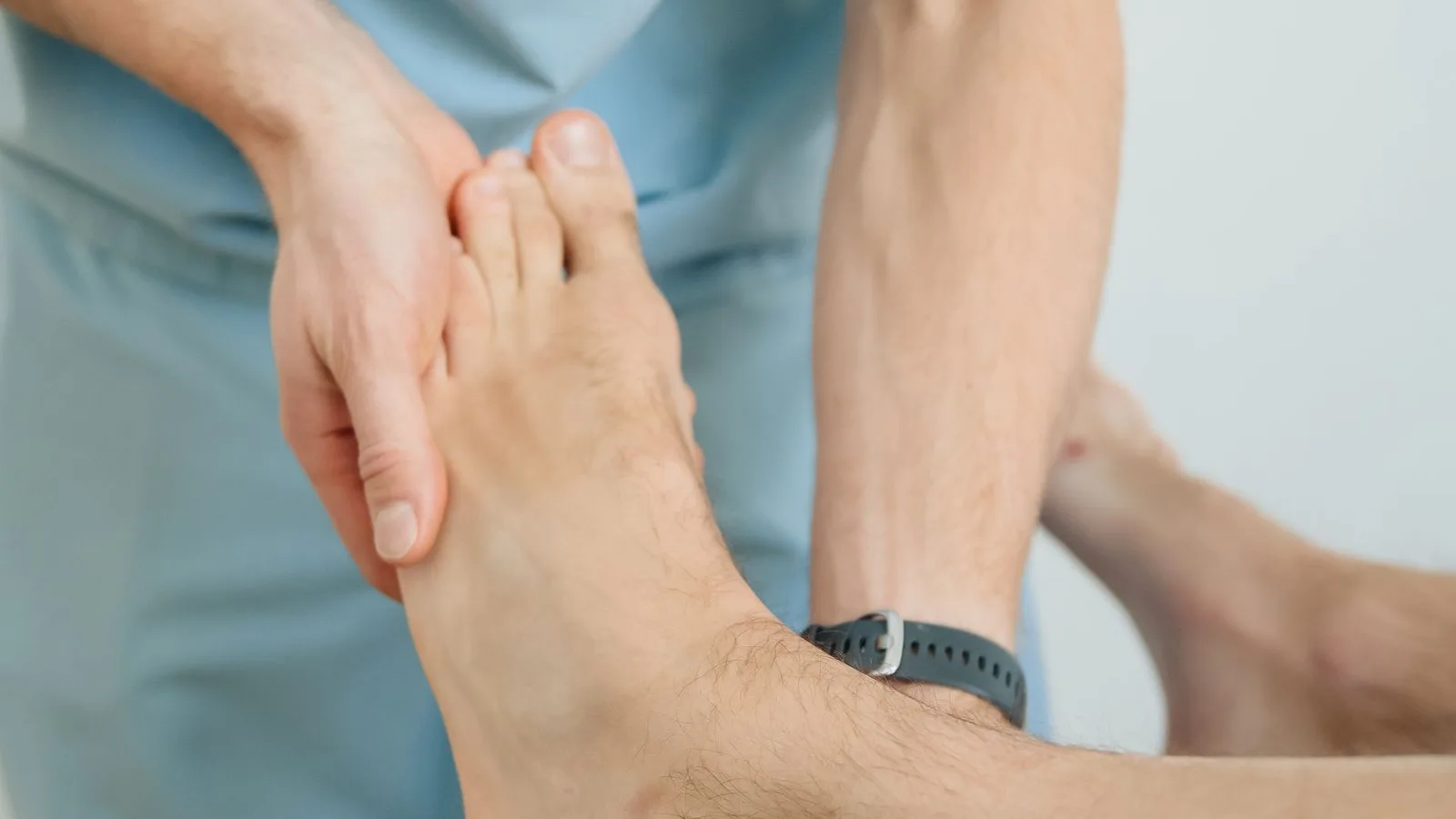
The sharp heel pain on the first step in the morning is often assumed to be a heel spur. But the real name for this condition is plantar fasciitis, and the two aren't the same thing.
6 September 2026 · 2 min read
Orthopaedics and Rehabilitation
Flat feet aren't a disease in most people and cause no complaint. The real question is whether they're leading to a problem.
6 September 2026 · 2 min read
Injury rehabilitation and criteria-based return to play for athletes at every level.
A measurement-based, one-to-one strength and conditioning programme supervised by a physiotherapist.
The full ACL pathway: preparation before surgery through to a measured, test-based return to sport.