Mobility Work That Improves Athletic Performance
Fzt. Bilal Kara · 20 August 2026 · 2 min read
Fzt. Bilal Kara · 20 August 2026 · 2 min read
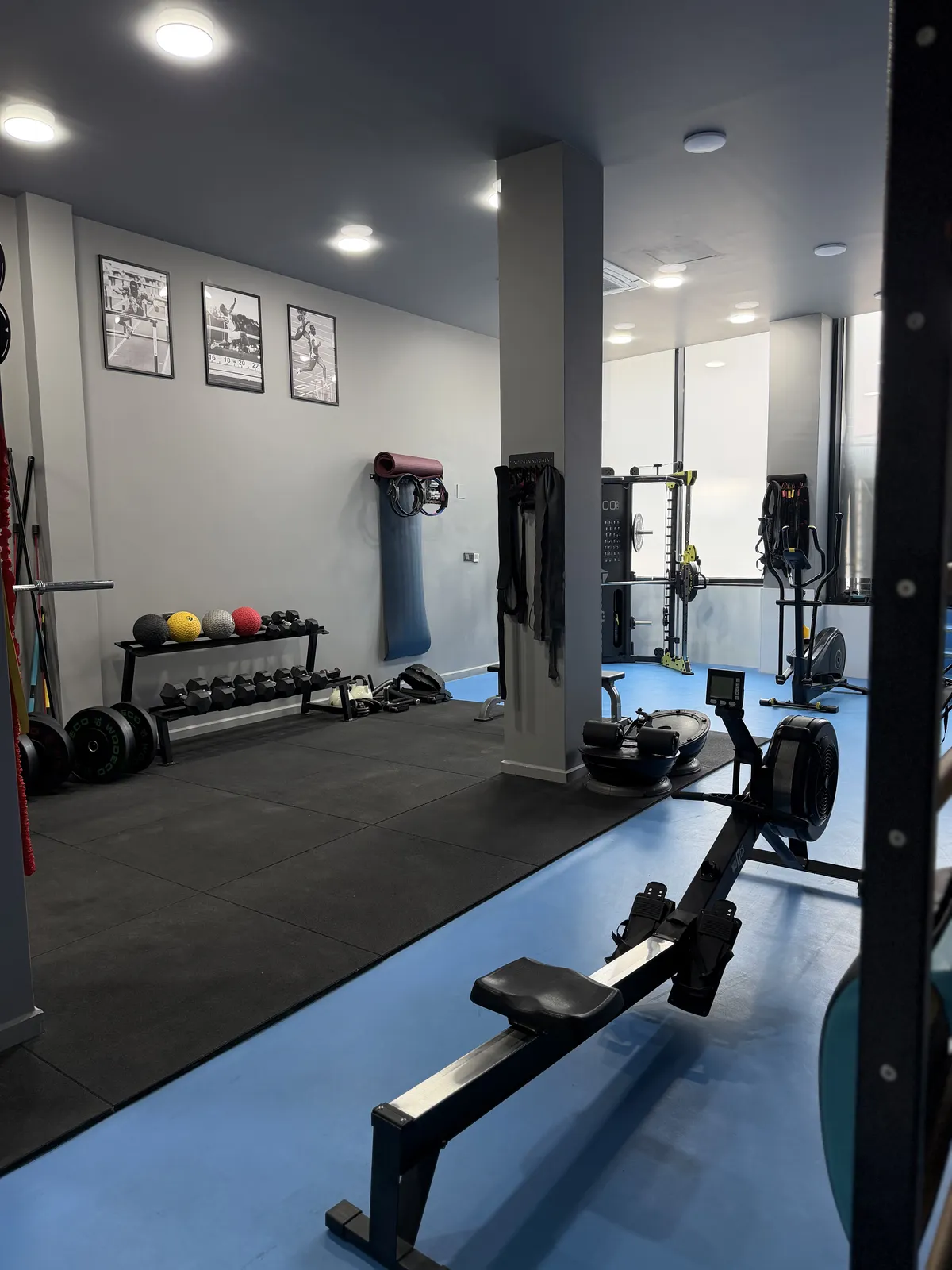
Flexibility is passive; mobility is active. What matters for an athlete isn't how far a joint can open — it's being able to use that range under control.
"My flexibility is fine, but I still feel stuck out on the field" is a complaint heard often among athletes. The cause usually isn't a lack of flexibility — it's a lack of mobility, and the two terms aren't interchangeable.
Flexibility is how far a muscle can passively lengthen; it's measured when someone else guides you into a stretch. Mobility is being able to use that range of motion yourself, under control, with your own muscle strength, in a functional way. It's the second one that actually matters on the field.
Prolonged static stretching before a match can temporarily reduce muscle strength and explosiveness in the short term. That's why current guidance recommends dynamic mobility work before training and leaving static stretching for afterwards.
The hip, shoulder and thoracic spine are the regions most often found restricted in athletic performance. A lack of hip mobility usually transfers the load onto the lumbar spine; restriction in the shoulder and thoracic spine both reduces performance and raises injury risk in throwing and striking sports.
The shoulder mobility a swimmer needs isn't the same as the hip mobility a footballer needs. An effective programme isn't a generic stretching routine — it's targeted work built around the movement pattern the athlete's sport uses most.
Being able to move a joint through a wide range without control doesn't reduce injury risk — it can increase it. That's why mobility work is run together with exercises that strengthen the gained range in that position; that's what "active mobility" means.
Mobility shouldn't be an isolated once-a-week session — it should be a regular part of the training routine. Eight to ten minutes of targeted work added to the warm-up gives a more lasting result over time than occasional long stretching sessions.
Fzt. Bilal Kara assesses sport-specific mobility and strength for athletes in Bursa Nilüfer and builds performance programmes around it. You can book an appointment.

Orthopaedics and Rehabilitation
Chiropractic and manual therapy are often confused. Both are done with the hands, but their approaches and frameworks differ.
6 September 2026 · 2 min read
Orthopaedics and Rehabilitation
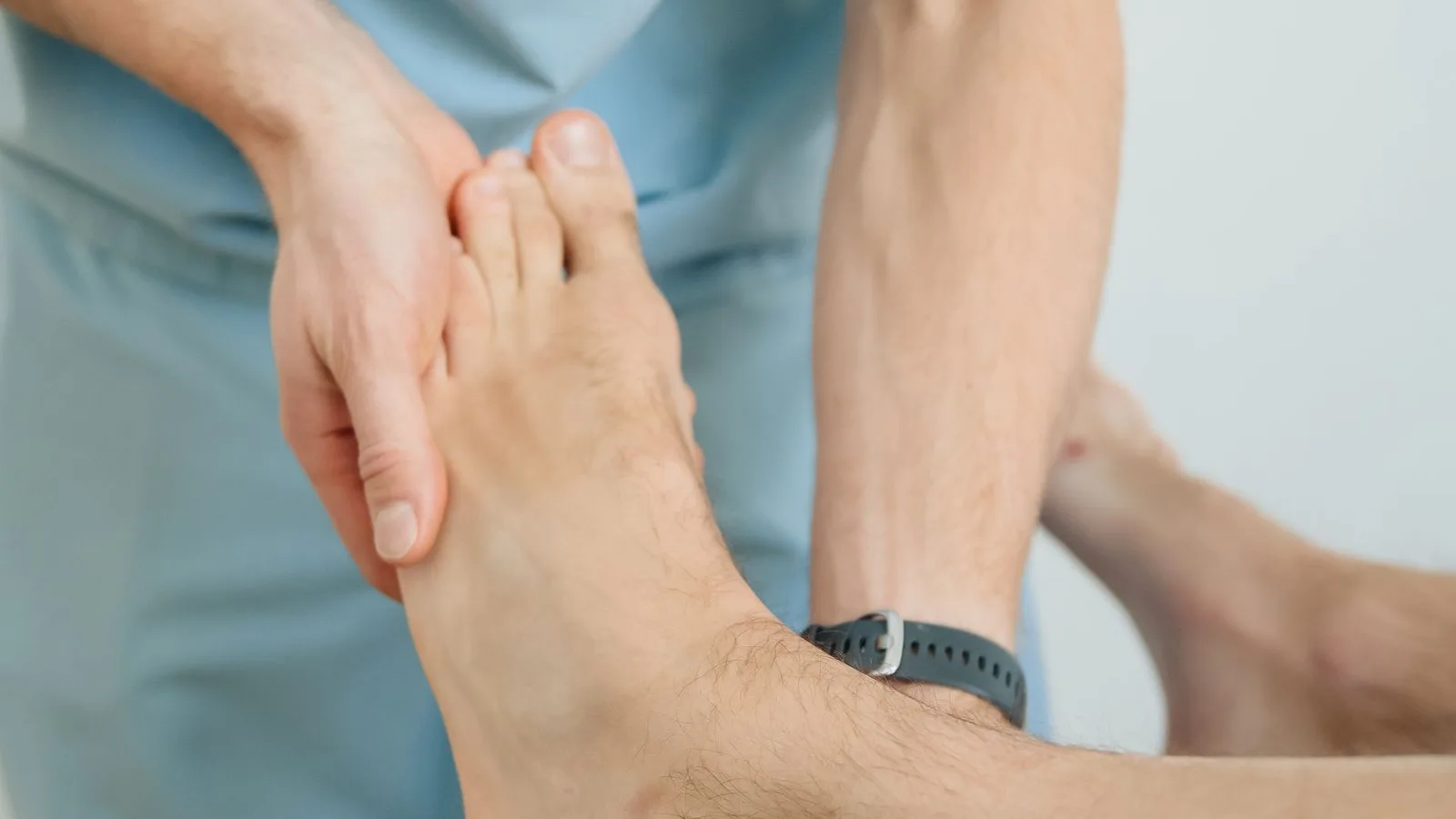
The sharp heel pain on the first step in the morning is often assumed to be a heel spur. But the real name for this condition is plantar fasciitis, and the two aren't the same thing.
6 September 2026 · 2 min read
Orthopaedics and Rehabilitation
Flat feet aren't a disease in most people and cause no complaint. The real question is whether they're leading to a problem.
6 September 2026 · 2 min read
Injury rehabilitation and criteria-based return to play for athletes at every level.
A measurement-based, one-to-one strength and conditioning programme supervised by a physiotherapist.
The full ACL pathway: preparation before surgery through to a measured, test-based return to sport.