Is Surgery Necessary for a Herniated Disc?
Fzt. Bilal Kara · 5 September 2026 · 3 min read
Fzt. Bilal Kara · 5 September 2026 · 3 min read
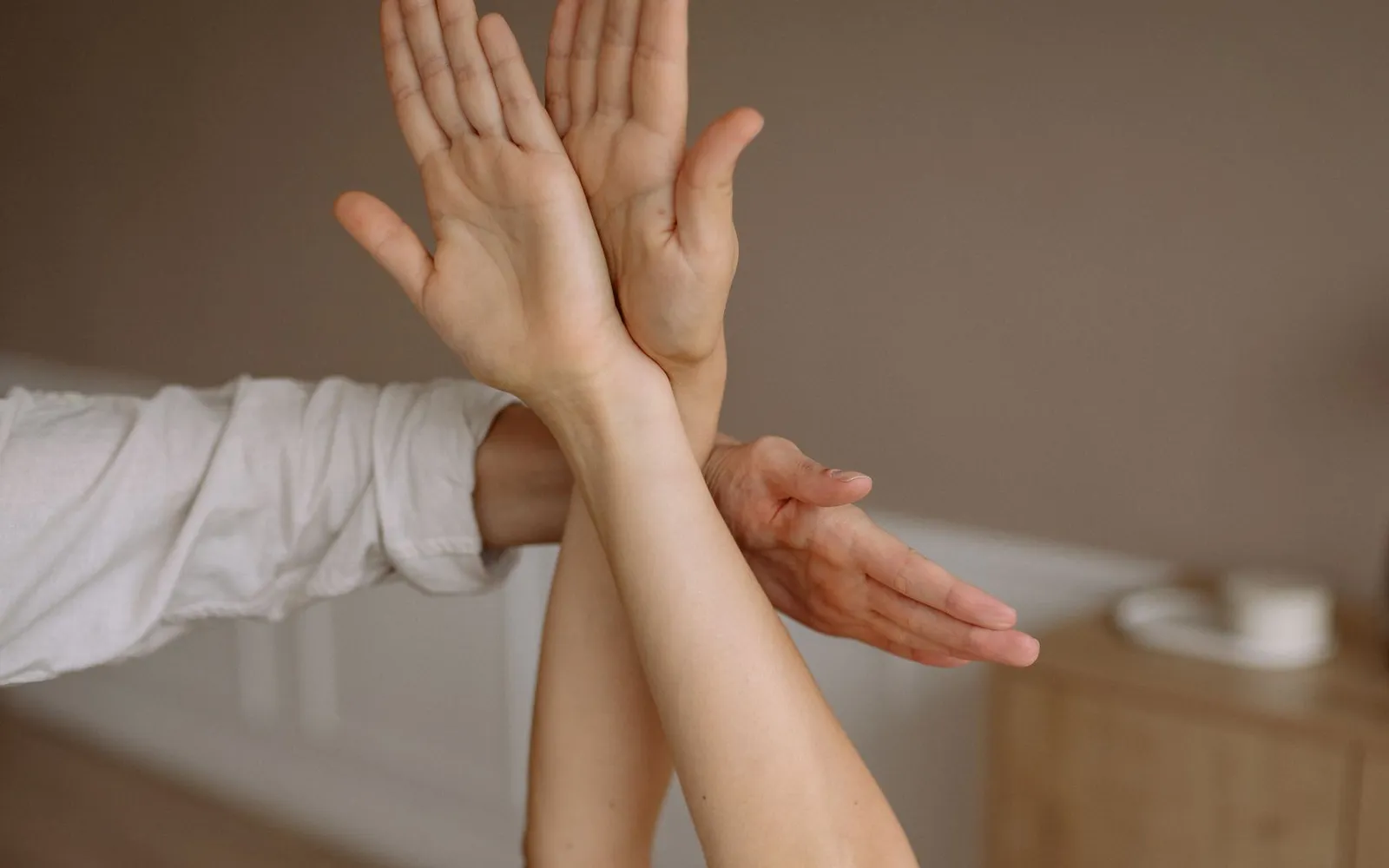
A hernia showing up on an MRI doesn't mean surgery is needed. The large majority of herniated discs improve without surgery.
"My MRI shows a hernia — am I going to need surgery?" The answer to this question is more reassuring than most people expect: the large majority of herniated discs improve without surgery. A hernia showing up on an MRI doesn't, on its own, mean surgery is needed.
The most common mistake is trying to make the surgery decision based only on the size of the hernia on the MRI. In fact, a significant proportion of healthy people with no complaints at all also show a hernia on MRI. The decision is made based on the severity of the pain, nerve findings and how the picture progresses over time — not just by looking at the image.
For herniated discs without a red flag, the path guidelines recommend is non-surgical treatment first, because these conditions usually improve noticeably within a few weeks to a few months. The components of the non-surgical process:
Surprising but true: the herniated disc fragment can shrink over time, and can even be reabsorbed by the body. This is why non-surgical recovery is seen so often. The goal isn't to "push the hernia back into place" — it's to manage the pain while giving the body time to heal and to make the back able to carry load again.
Surgery is needed for a minority of specific conditions, and this decision is made by the surgeon. The main situations:
Urgent (red flags). Loss of bladder/bowel control, numbness in the saddle area (inner thigh – anus), foot drop, or rapidly progressing muscle weakness. These require surgical assessment without delay.
Not urgent but persistent. Leg pain that seriously restricts life not resolving despite an adequate and regular non-surgical treatment (usually 6-12 weeks).
Outside these two situations, the severity of the pain alone isn't a reason for surgery.
The healthiest approach is not leaving the decision to one person: surgical assessment runs through neurosurgery / orthopaedics, while the non-surgical process runs through physical medicine and physiotherapy. A good surgeon usually also recommends non-surgical methods first; surgery is the option at the end of the line, not the first one.
Quite the opposite. Even after surgery, the muscles that support the back need to be re-strengthened, correct movement needs to be learned, and a programme that prevents the hernia from recurring needs to be built. Surgery resolves one part; the back's long-term health is still protected through exercise.
In most cases, noticeable improvement is seen within a few weeks to a few months; the duration depends on the size of the hernia and how consistently the programme is followed.
Surgery relieves the pressure on the nerve, but the back's long-term health is still protected through exercise and correct movement; surgery alone isn't a guarantee.
Fzt. Bilal Kara runs the non-surgical process for a herniated disc in person; conditions with a red flag or that need surgery are referred to the relevant physician.
Orthopaedics and Rehabilitation
Chiropractic and manual therapy are often confused. Both are done with the hands, but their approaches and frameworks differ.
6 September 2026 · 2 min read
Orthopaedics and Rehabilitation
The sharp heel pain on the first step in the morning is often assumed to be a heel spur. But the real name for this condition is plantar fasciitis, and the two aren't the same thing.
6 September 2026 · 2 min read
Orthopaedics and Rehabilitation
Flat feet aren't a disease in most people and cause no complaint. The real question is whether they're leading to a problem.
6 September 2026 · 2 min read
An exercise-based, one-to-one physiotherapy programme for back pain and pain radiating into the leg.
For back pain that persists without a clear imaging finding: a programme that looks for the source.
For pain travelling from the back into the hip and leg: assessment that identifies the source, then graded exercise.