Living With Knee Osteoarthritis (Cartilage Wear)
Fzt. Bilal Kara · 6 September 2026 · 2 min read
Fzt. Bilal Kara · 6 September 2026 · 2 min read
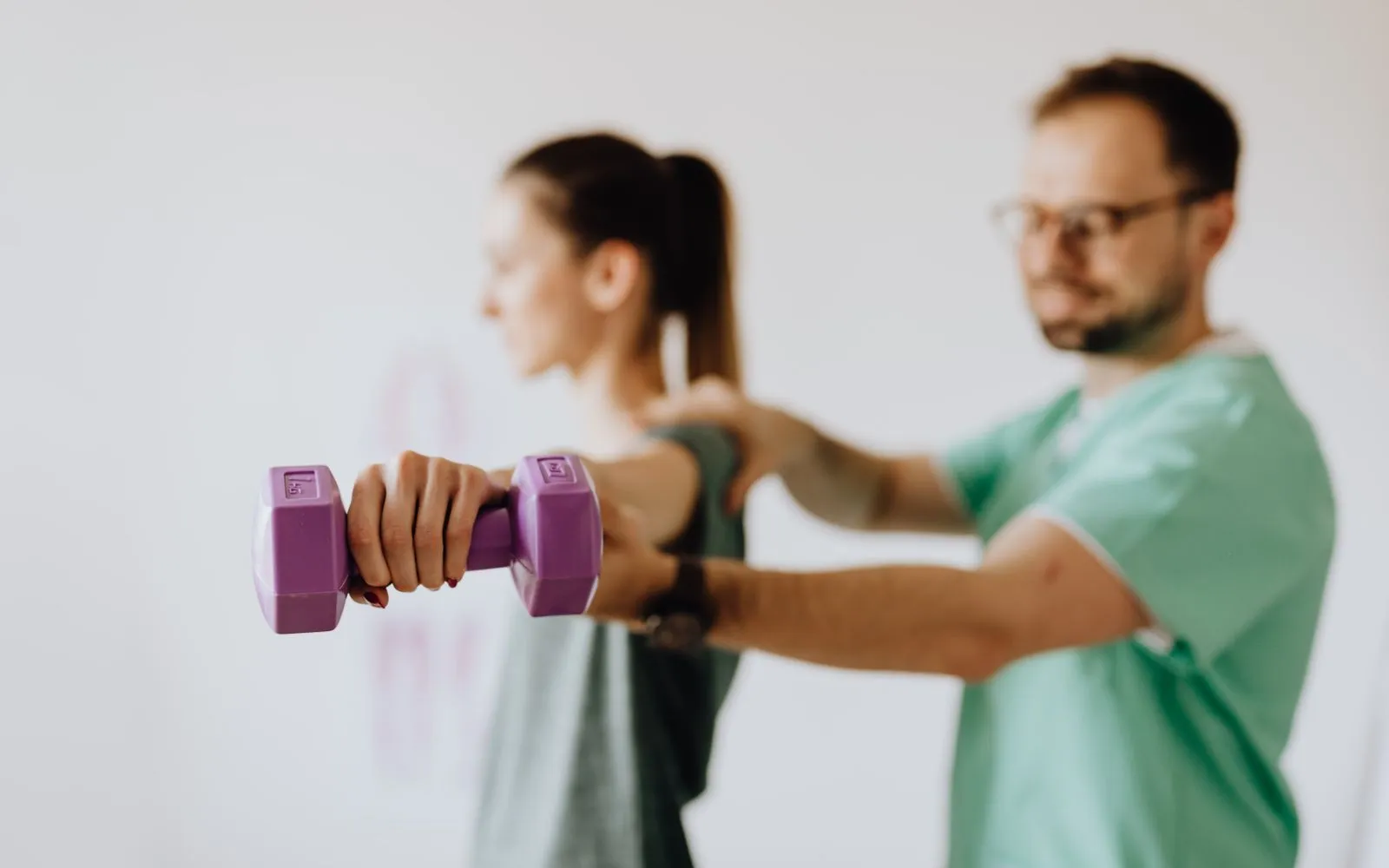
"Osteoarthritis" sounds like irreversible damage. But with the right management, most people live an active life with pain under control.
Knee osteoarthritis — medically, osteoarthritis of the knee joint — is the gradual thinning of the cartilage in the knee joint over time. The word sounds like irreversible damage; in fact, with the right management, most people live an active life with pain under control.
This is the most common and most harmful belief about osteoarthritis. Cartilage is nourished by appropriate load; inactivity weakens it, wastes away the surrounding muscles, and increases pain. Movement at the right dose doesn't wear down cartilage — it protects it.
For someone who's trained before and has reduced their activity because of osteoarthritis, the goal isn't giving up sport — it's shifting to a form that doesn't stress the joint, such as switching from running to swimming or cycling.
Not for most people. Knee replacement surgery comes up at an advanced stage, once non-surgical methods can no longer preserve quality of life. Until then, a strong programme both manages the pain and, if surgery is eventually needed, gets the knee more ready for it.
Severe pain with sudden swelling and redness, the knee locking, fever, or a deformity after a fall call for emergency assessment.
It depends on the pain level and stage; some people can continue at low-to-moderate intensity, while others are advised to switch to low-impact alternatives.
The evidence is inconsistent; they haven't been shown to have as strong an effect as strength work and weight management.
Fzt. Bilal Kara runs a programme in person, built around the person's daily life, that manages pain and strengthens the muscles that support the knee in osteoarthritis. You can find more detail on knee osteoarthritis here.
Orthopaedics and Rehabilitation
Chiropractic and manual therapy are often confused. Both are done with the hands, but their approaches and frameworks differ.
6 September 2026 · 2 min read
Orthopaedics and Rehabilitation
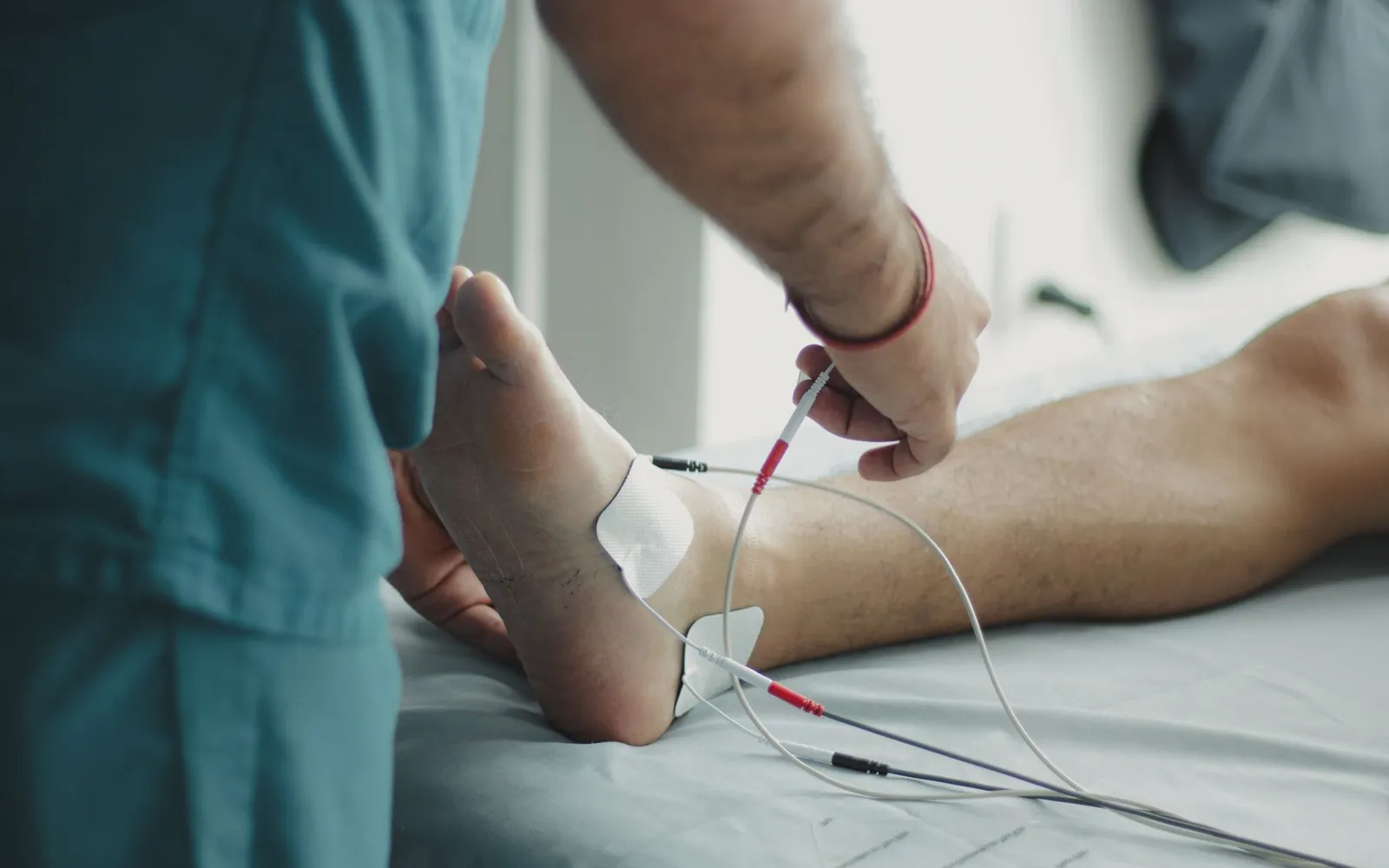
The sharp heel pain on the first step in the morning is often assumed to be a heel spur. But the real name for this condition is plantar fasciitis, and the two aren't the same thing.
6 September 2026 · 2 min read
Orthopaedics and Rehabilitation
Flat feet aren't a disease in most people and cause no complaint. The real question is whether they're leading to a problem.
6 September 2026 · 2 min read
An exercise-based programme aimed at reducing pain and increasing walking capacity in cartilage wear.
Strength-focused rehabilitation for meniscus and ligament injuries, cartilage wear and the period after surgery.
For meniscus tears, with or without surgery: graded rehabilitation that makes the knee trustworthy again.