Why Do Muscle Spasms (Cramps) Happen in Athletes, and What Helps?
Fzt. Bilal Kara · 2 September 2026 · 2 min read
Fzt. Bilal Kara · 2 September 2026 · 2 min read
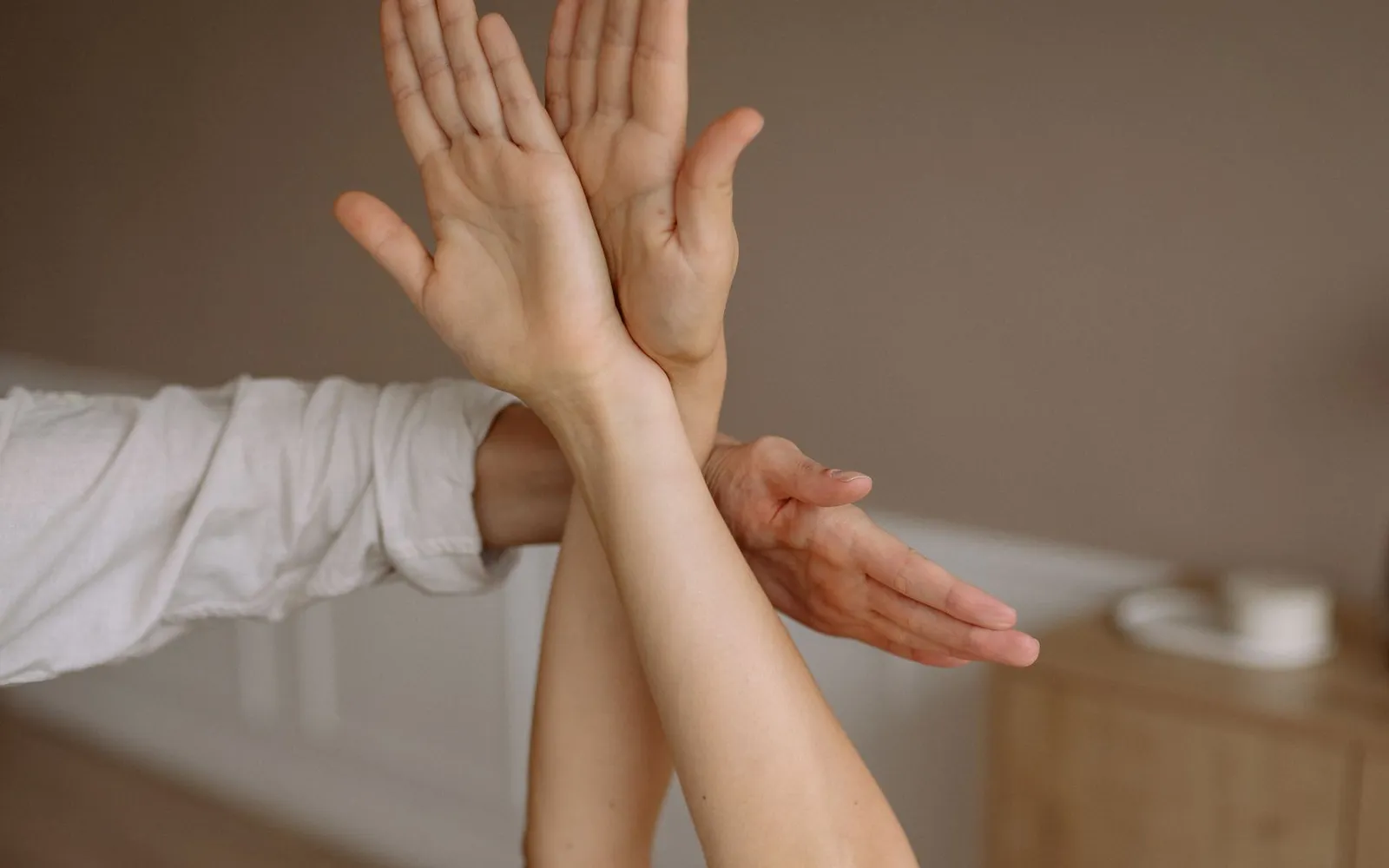
A muscle spasm is an involuntary, sudden and painful contraction. Most are harmless and ease quickly with simple measures.
A muscle spasm — commonly known as a cramp — is a muscle contracting involuntarily, suddenly and painfully. It's seen most often in the calf, hamstring and hand during or right after training. It's usually harmless; but it cuts performance short, and if it recurs, it's a warning sign that the muscle can't carry that load.
In long training sessions and competitions with heavy sweating, it isn't just water loss but sodium loss too that raises cramp risk. In these situations, fluid support with electrolyte-containing drinks can be considered.
A one-off cramp isn't significant. But if it keeps recurring in the same area, temporary relief isn't enough. The solution for an athlete is gradually increasing that muscle's strength and endurance, and planning loading and recovery correctly. A well-prepared muscle spasms less easily.
Calf spasm with swelling-redness (could be a clot), pain with chest pressure, widespread-constant twitching, or spasms appearing after a new medication call for physician assessment.
Electrolyte support can help in some situations but isn't a guarantee on its own; the muscle's strength and endurance capacity is the real determining factor.
Usually yes after a short rest and stretching; if it recurs in the same area, intensity should be reduced for that day.
Fzt. Bilal Kara assesses the trigger and loading plan for recurring cramps in athletes; returns them to safe performance with a programme that increases the muscle's capacity.
Orthopaedics and Rehabilitation
Chiropractic and manual therapy are often confused. Both are done with the hands, but their approaches and frameworks differ.
6 September 2026 · 2 min read
Orthopaedics and Rehabilitation
The sharp heel pain on the first step in the morning is often assumed to be a heel spur. But the real name for this condition is plantar fasciitis, and the two aren't the same thing.
6 September 2026 · 2 min read
Orthopaedics and Rehabilitation
Flat feet aren't a disease in most people and cause no complaint. The real question is whether they're leading to a problem.
6 September 2026 · 2 min read
For muscle pain that knots, cramps and will not settle: manual work first, strengthening second.
A device-assisted manual technique aimed at reducing muscle tension through the sensory organ in the tendon.
Hands-on techniques applied to joints and soft tissue, combined with exercise for a result that lasts.