How Is ESWT Integrated into a Training Programme?
Fzt. Bilal Kara · 6 September 2026 · 1 min read
Fzt. Bilal Kara · 6 September 2026 · 1 min read
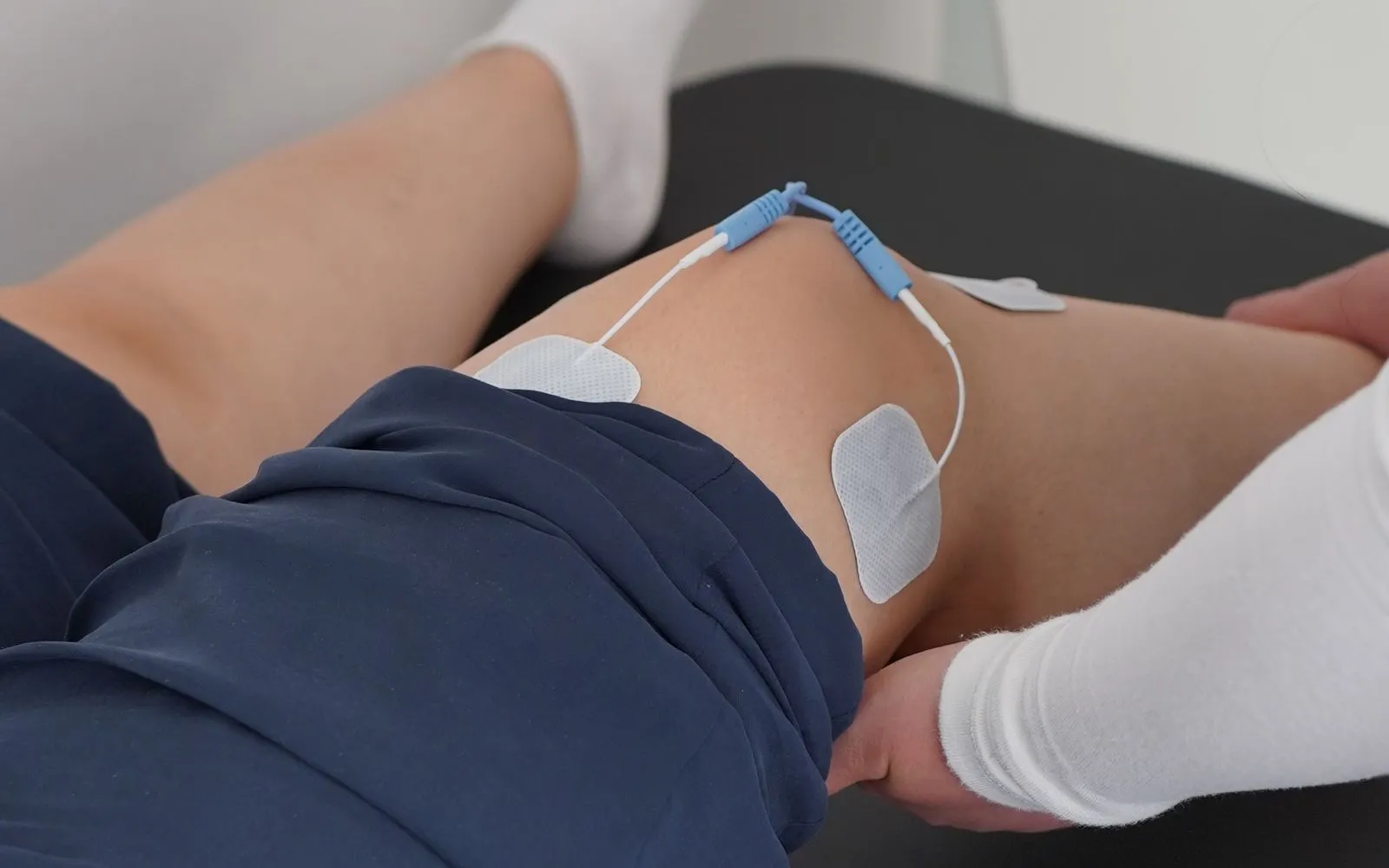
In athletes, ESWT isn't a standalone treatment — it's part of the training plan. Which day is it applied on, and how does it combine with strength work?
ESWT often comes up for persistent complaints in the Achilles, patellar tendon and heel area in athletes. But what actually decides the outcome isn't the application itself — it's how it's fitted into the training plan.
Achilles tendinopathy, patellar tendinopathy and heel pain that persist for weeks despite exercise and manual treatment are the areas where ESWT is used most. The common point is that the tissue's capacity to carry load has dropped.
ESWT is scheduled on a relatively light day, not a high-intensity training day. Since there can be temporary tenderness in the area afterward, high-level jumping or speed work isn't recommended on the same day.
ESWT opens a window by reducing pain; if that window isn't filled with graded loading, the gain doesn't last. That's why the application is always planned alongside that week's strength and loading programme, not in place of it.
Usually applied once a week, for 3-5 sessions; the effect doesn't appear immediately, it emerges gradually over the following weeks. Impatiently returning to high load early can undo the progress gained.
It isn't applied, or the approach is changed, in young athletes with open growth plates, and in cases with active infection or a bleeding disorder; this history is asked about at the first assessment.
Fzt. Bilal Kara always runs ESWT treatment as part of the weekly training and strength plan, not as a standalone solution.
Orthopaedics and Rehabilitation
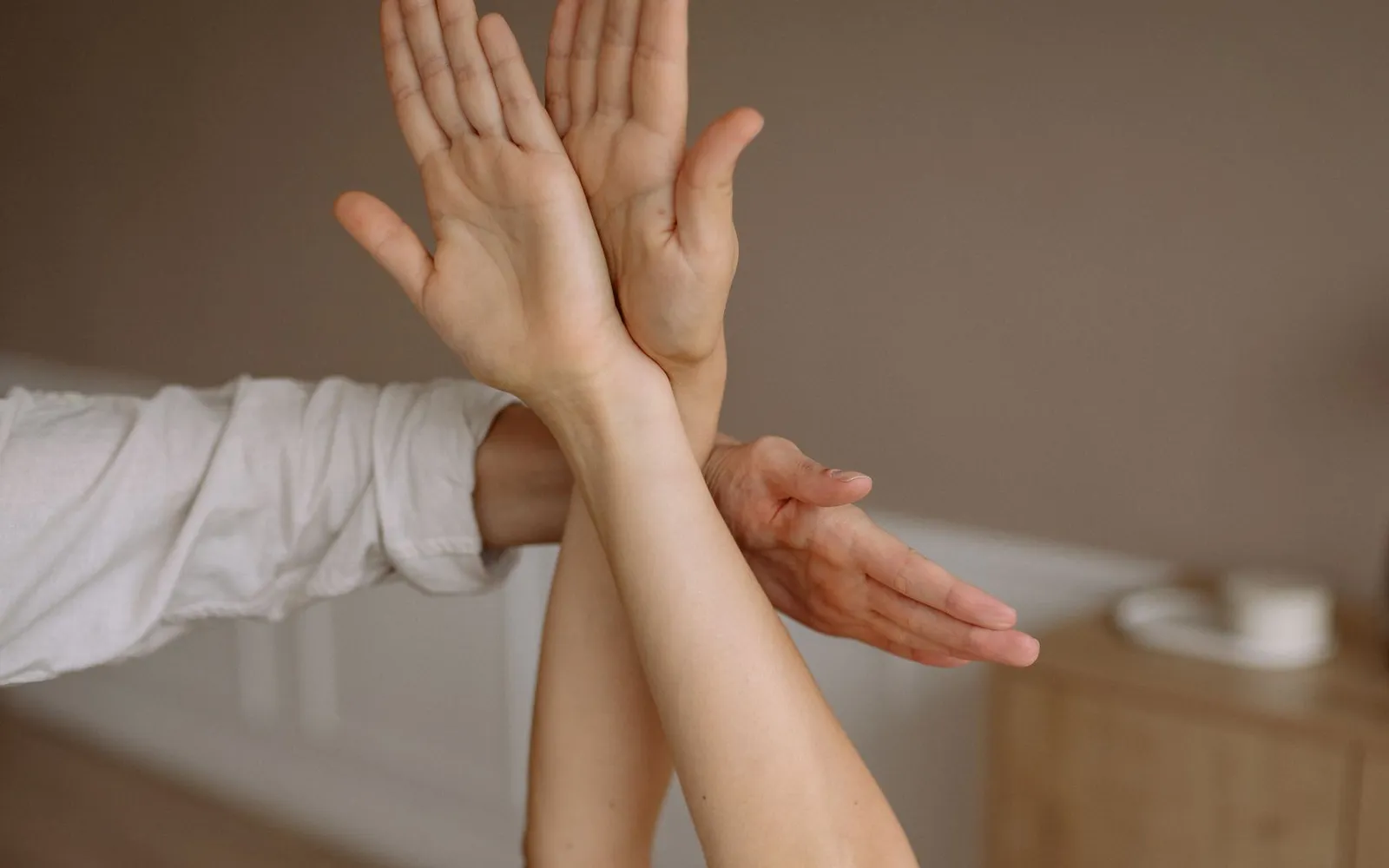
Chiropractic and manual therapy are often confused. Both are done with the hands, but their approaches and frameworks differ.
6 September 2026 · 2 min read
Orthopaedics and Rehabilitation
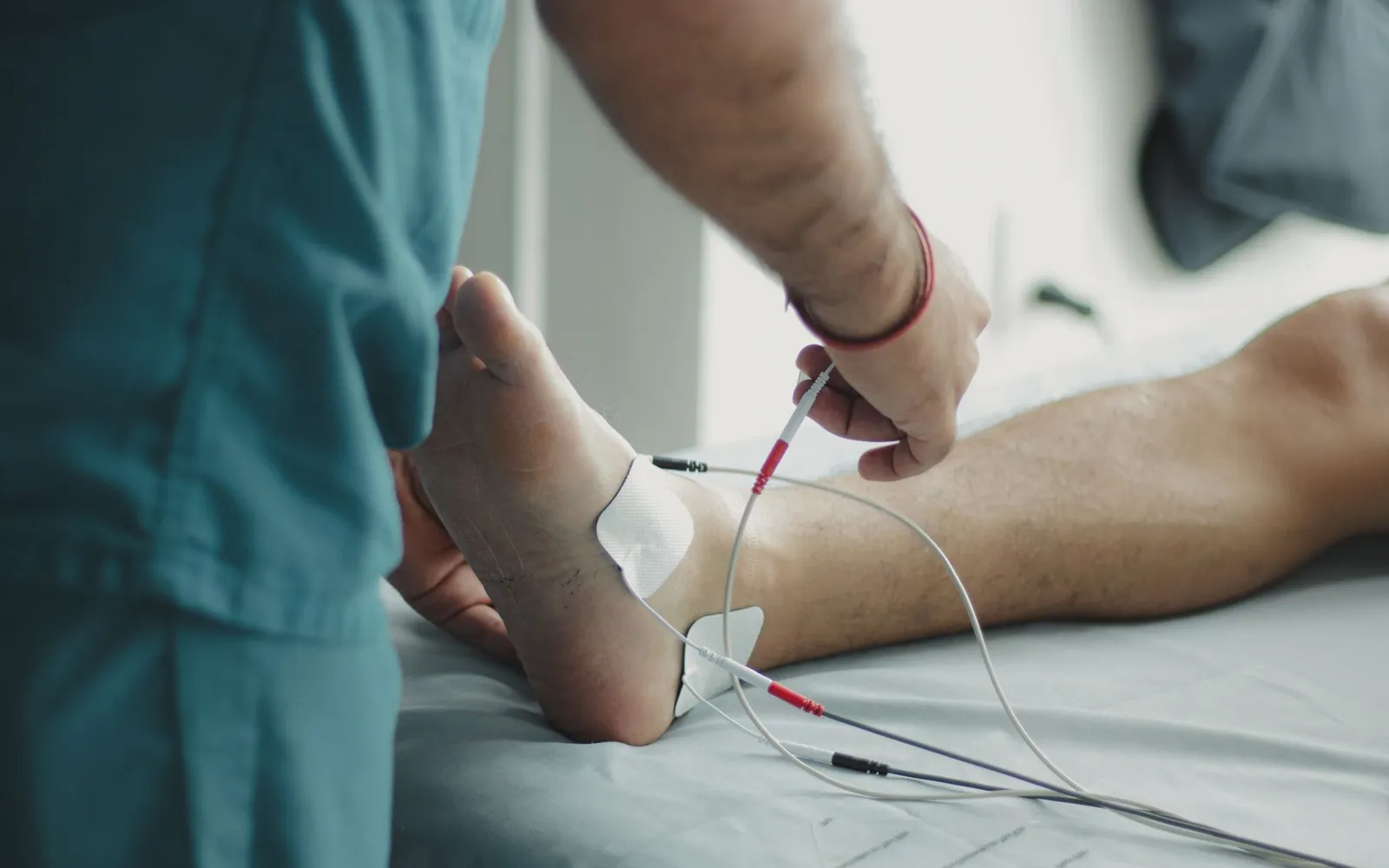
The sharp heel pain on the first step in the morning is often assumed to be a heel spur. But the real name for this condition is plantar fasciitis, and the two aren't the same thing.
6 September 2026 · 2 min read
Orthopaedics and Rehabilitation
Flat feet aren't a disease in most people and cause no complaint. The real question is whether they're leading to a problem.
6 September 2026 · 2 min read
Shock wave therapy for chronic tendon and heel complaints, used as part of the programme.
For heel pain that bites on the first step of the morning: shockwave, load management and a graded strengthening programme.
For pain on the outer elbow that flares with gripping: a graded tendon-loading programme that rebuilds grip strength.