
Runner's Knee: Why the Source Is Usually the Hip
Fzt. Bilal Kara · 2 August 2026 · 1 min read
Fzt. Bilal Kara · 2 August 2026 · 1 min read
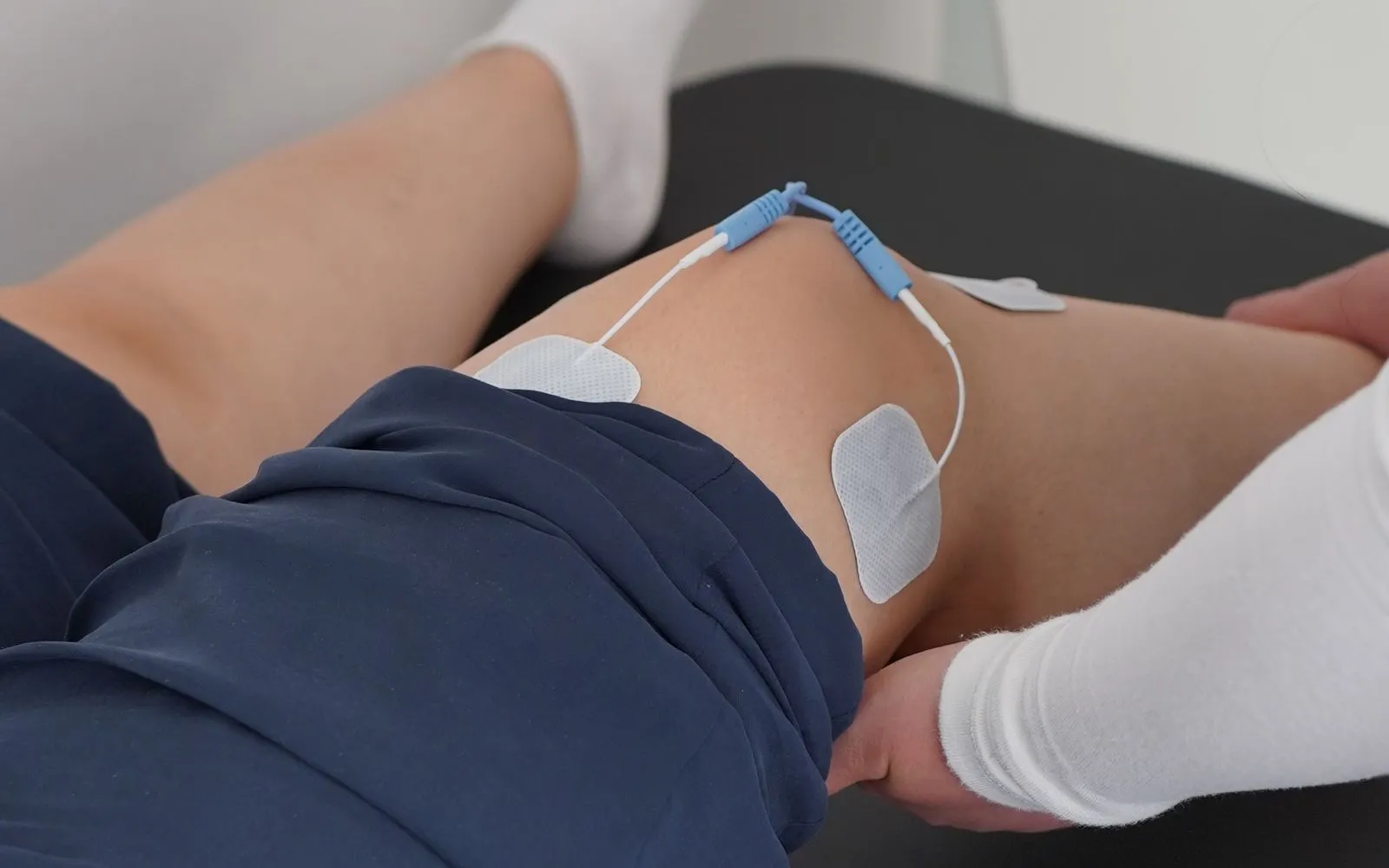
In most runners with knee pain, the real problem is a lack of hip strength. Treating just the knee doesn't fix it for good.
Anterior knee pain known as patellofemoral pain syndrome — runner's knee — is one of the most common running injuries, and its source usually isn't the knee joint itself.
If the hip's external rotator and abductor muscles are weak, the thigh bone rotates inward during running and the path the kneecap tracks is disrupted — leading to repeated friction and pain.
Slightly increasing steps per minute (cadence) can noticeably ease pain by reducing the impact force landing on the knee with each step.
Sudden increases in weekly running distance are the most common trigger for runner's knee; a gradual increase carries a preventive effect on its own.
Hip strength, running-technique analysis and a gradual increase in distance are the three core components of a lasting fix for runner's knee.
Fzt. Bilal Kara carries out an assessment for runner's knee in Bursa Nilüfer focused on hip strength and running technique. You can book an appointment.

Orthopaedics and Rehabilitation
Chiropractic and manual therapy are often confused. Both are done with the hands, but their approaches and frameworks differ.
6 September 2026 · 2 min read
Orthopaedics and Rehabilitation
The sharp heel pain on the first step in the morning is often assumed to be a heel spur. But the real name for this condition is plantar fasciitis, and the two aren't the same thing.
6 September 2026 · 2 min read
Orthopaedics and Rehabilitation
Flat feet aren't a disease in most people and cause no complaint. The real question is whether they're leading to a problem.
6 September 2026 · 2 min read
An exercise-based programme aimed at reducing pain and increasing walking capacity in cartilage wear.
Strength-focused rehabilitation for meniscus and ligament injuries, cartilage wear and the period after surgery.
The full ACL pathway: preparation before surgery through to a measured, test-based return to sport.